Participants highlighted that sustainable financing strengthens livelihoods, enhances climate resilience, and ensures biodiversity protection
Arab forum on biodiversity finance: A platform to share experiences and refine projects
The forum brought together representatives from international organizations and experts across environmental and developmental sectors, reflecting the growing importance of integrating biodiversity, climate, and land degradation strategies.
Tuesday 23/09/2025
Participants highlighted that sustainable financing strengthens livelihoods, enhances climate resilience, and ensures biodiversity protection
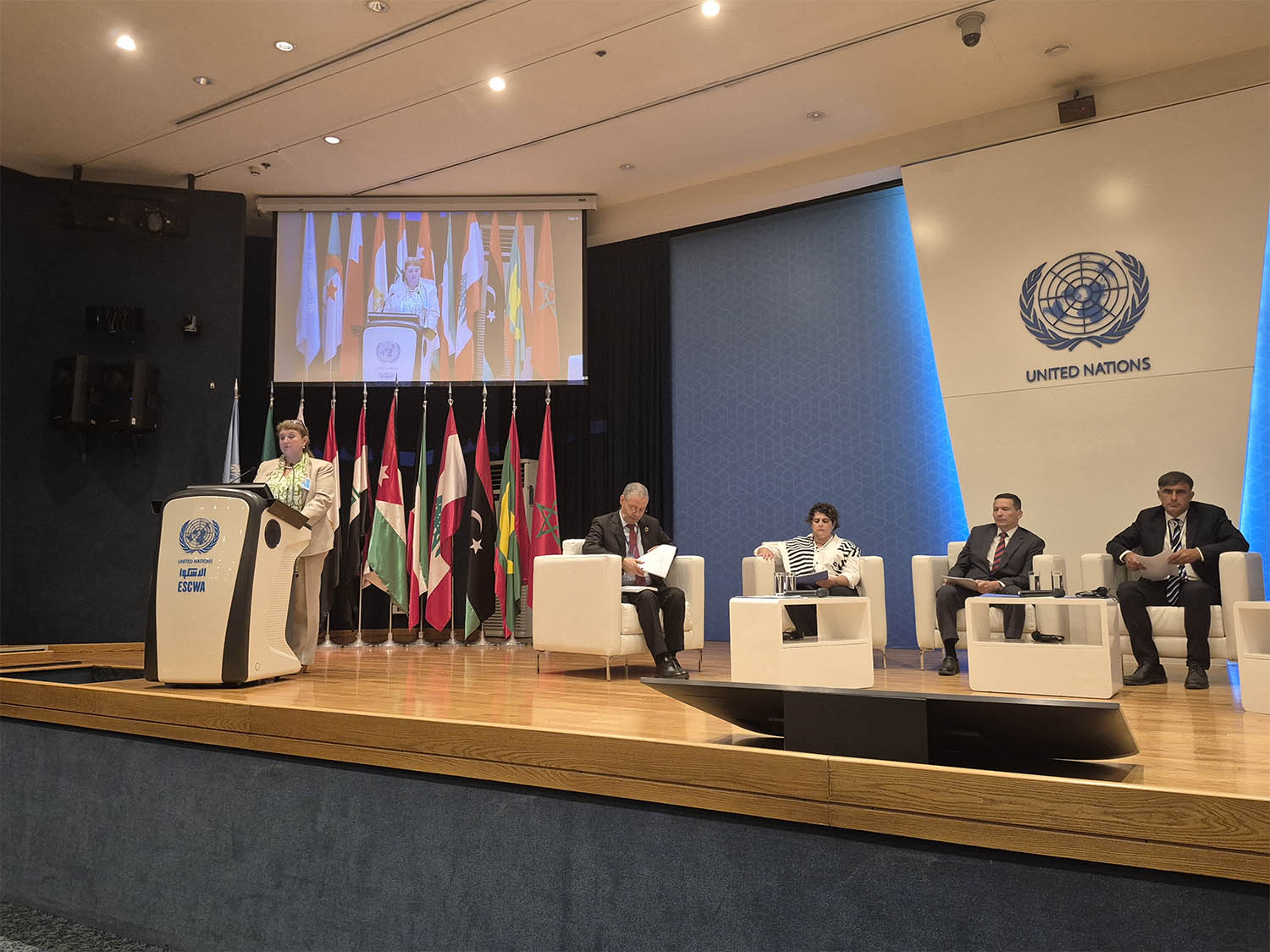
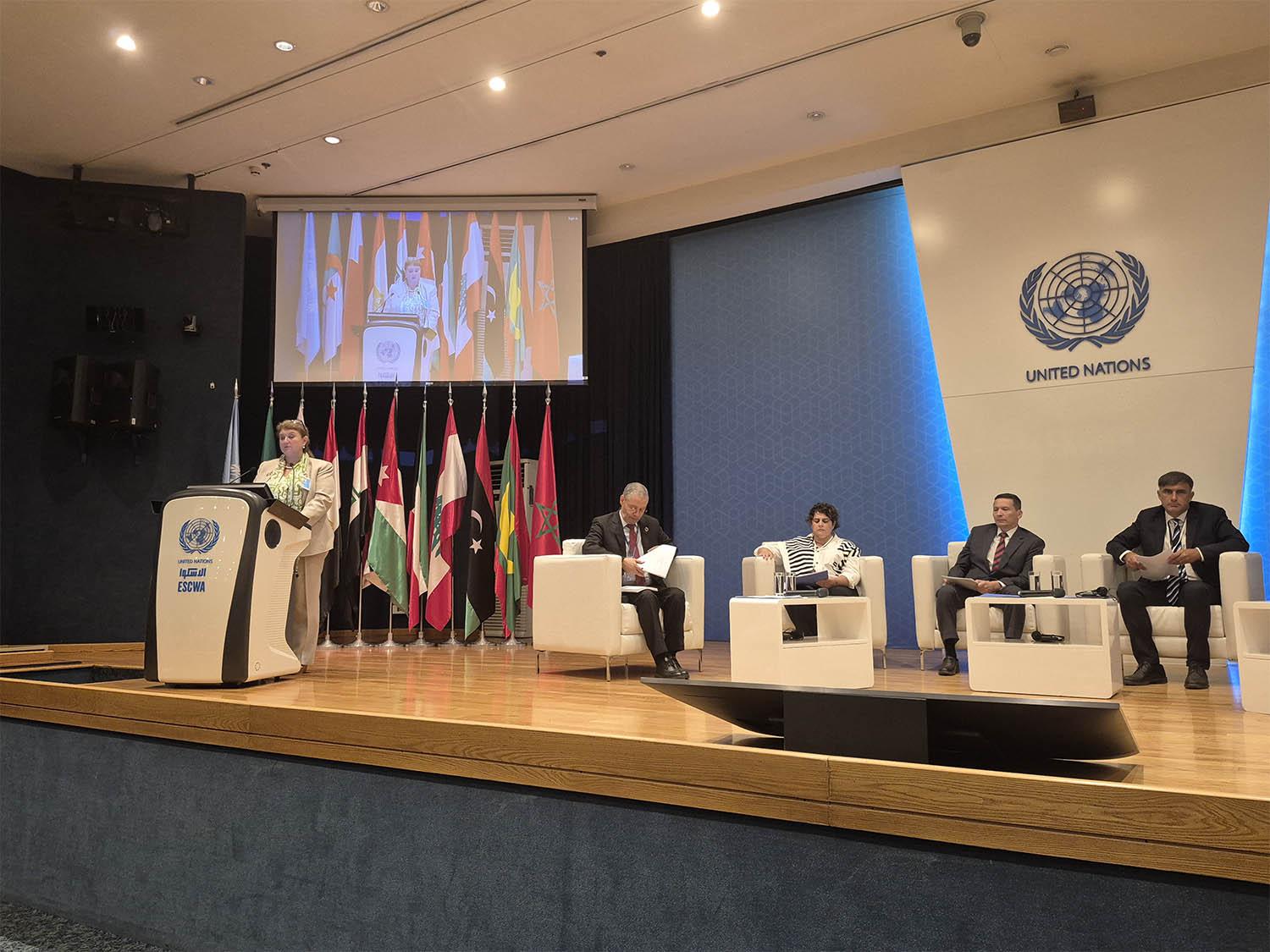
BEIRUT - The Arab Multi-Stakeholder Forum on Biodiversity Finance, aimed at enhancing climate resilience, was recently held at the United Nations Economic and Social Commission for Western Asia (ESCWA) headquarters in Beirut. The forum brought together representatives from international organizations and experts across environmental and developmental sectors, reflecting the growing importance of integrating biodiversity, climate, and land degradation strategies.
Nature-Based Finance: Pillar of Resilience in the Arab World
In her opening remarks, Dr. Rola Dashti, Executive Secretary of ESCWA, emphasized that this forum represents the culmination of a collaborative process initiated in 2023 with support from the Swedish government. More than 40 organizations from ten Arab countries participated, aiming to make biodiversity investment a tool for sustainable development and climate resilience. She stressed that “inaction is not an option,” urging innovative partnerships and advanced financing mechanisms to transform natural assets into investment opportunities.
Lebanon’s Minister of Environment, H.E. Tamara Elzein, delivered a strong political message, warning that the Arab region faces a “potentially explosive” crisis due to biodiversity loss and climate pressures. She highlighted the need for cross-sectoral and cross-border planning, noting that ESCWA’s coordination of three regional working groups over the past two years demonstrated the feasibility of collective solutions reflecting local priorities within a global framework. According to Minister Elzein, biodiversity finance is not a luxury—it is essential for food security, peace, and sustainable prosperity.
Carla Khater, Director of the Remote Sensing Center at Lebanon’s National Council for Scientific Research, speaking on behalf of Minister Elzein, emphasized that shared challenges—conflict, drought, pollution, and displacement—necessitate designing solutions collectively rather than addressing crises individually. Aligning national and international financing flows with risk reduction in nature-based investments is key to moving from crisis to recovery and rebuilding.
Regional Cooperation and Knowledge Sharing
Ambassadors from Colombia and Brazil underscored the global significance of biodiversity and their countries’ commitment to South-South cooperation. Mahmoud Fathallah, Secretary-General of the Arab Council of Environment Ministers, stressed that Arab joint action must prioritize science and innovative financing, aligning Rio Convention commitments with resource mobilization to combat environmental degradation. He also highlighted the Arab states’ limited share of international funding and the need for project-ready proposals, pointing to initiatives such as the Arab Climate Finance Strategy 2030.
ESCWA’s Sarah Daniel presented the multi-stakeholder platform for biodiversity protection, showcasing collaboration between governments, regional bodies, civil society, and the private sector—transforming the forum from a technical workshop into a comprehensive regional roadmap.
Nature-Based Solutions: From Forest Restoration to Resilient Communities
Participants discussed the dual global challenges of climate change and biodiversity loss, emphasizing that the Arab region is among the most vulnerable, experiencing above-average warming and accelerating ecosystem degradation. Nature-based solutions were highlighted as strategic tools that combine climate mitigation and adaptation while protecting and restoring biodiversity. Examples included mangrove restoration, forest protection, and green urban infrastructure, which contribute to climate resilience, water management, soil protection, and food security.
Challenges remain, including unclear definitions, legislative gaps, and a significant funding shortfall—estimated at $200 billion by 2030, with only a fraction currently mobilized. Limited scientific and economic data further complicates investment planning.
Inspiring Arab and Regional Experiences
The forum highlighted successful regional projects, such as mangrove restoration in the UAE, forest conservation in Morocco’s Atlas Mountains, and desertification control in southern Iraq. Participants stressed the importance of combining traditional knowledge with scientific research to design context-specific solutions.
Efforts to integrate nature-based solutions into national strategies varied across countries. While some focused on adaptation, others, like the UAE and Jordan, addressed both mitigation and adaptation. Recommendations emphasized policy coherence, translating general goals into actionable plans, innovative financing, strengthening research, and engaging local communities.
Financing the Future: Green Investments and Community Empowerment
Discussions underscored the critical role of international and regional financial institutions, including the World Bank and IFAD, in supporting sustainable nature-based investments. Examples included Morocco’s solar-powered Argan restoration project, empowering women in rural communities, and urban resilience projects in Marrakech. Participants highlighted that sustainable financing strengthens livelihoods, enhances climate resilience, and ensures biodiversity protection.
Towards Regional Integration and COP30
The forum concluded with a clear message: the Arab region must build innovative financing partnerships to reposition biodiversity as a foundation for climate resilience and sustainable development. Participants called for unified reporting across climate, biodiversity, and land degradation frameworks, coordinated institutional arrangements, and inclusive engagement of local communities. The outcomes provide a shared Arab vision for environmental action, offering practical solutions and a roadmap to guide investments and policies at national and regional levels.