


Reclaiming cultural footing
From Baghdad to the Arab World, Iraqi television drama seeks wider reach
When compared to productions from Egypt, Syria or the Gulf, the gap lies less in artistic quality than in investment scale and distribution networks.
Tuesday 06/01/2026

Reclaiming cultural footing
BAGHDAD –
Iraqi television drama is reclaiming its cultural footing, earning both mass viewership and growing critical acclaim at home. Yet, despite this renaissance, Iraqi series remain largely confined to local audiences, highlighting persistent challenges in reaching viewers across the Arab world.
One of the main hurdles is the Iraqi dialect itself, rich and nuanced but often difficult for non-Iraqi audiences to follow. Coupled with distribution gaps, limited marketing, and a lack of institutional support, these factors have kept Iraqi drama from enjoying the regional reach achieved by Egyptian or Syrian productions.
The 2025 Ramadan season marked a turning point. Ratings soared and several series resonated deeply with Iraqi viewers, reflecting daily life, social customs and human struggles with honesty and courage. Producers and directors, buoyed by this success, are gearing up for the 2026 season with an emphasis on realism, a blend of established stars and emerging talent, and stories grounded in contemporary Iraqi society.
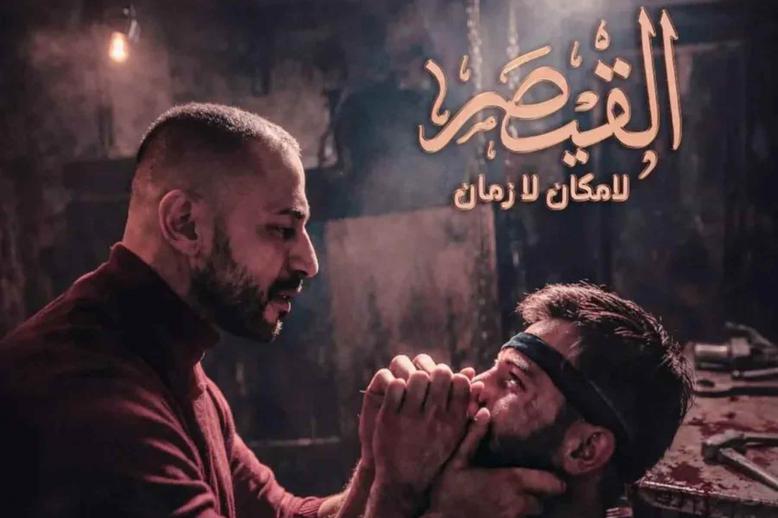
The highly-anticipated series “Inkisar” (Fracture) epitomises this trend. Based on a real-life story that sparked national debate, it brings together Iraq’s top actors under the direction of Murad Turk, renowned for transforming realistic scripts into emotionally-compelling drama. Expected to provoke broad societal conversation, the series represents a step toward taking Iraqi drama beyond domestic audiences.
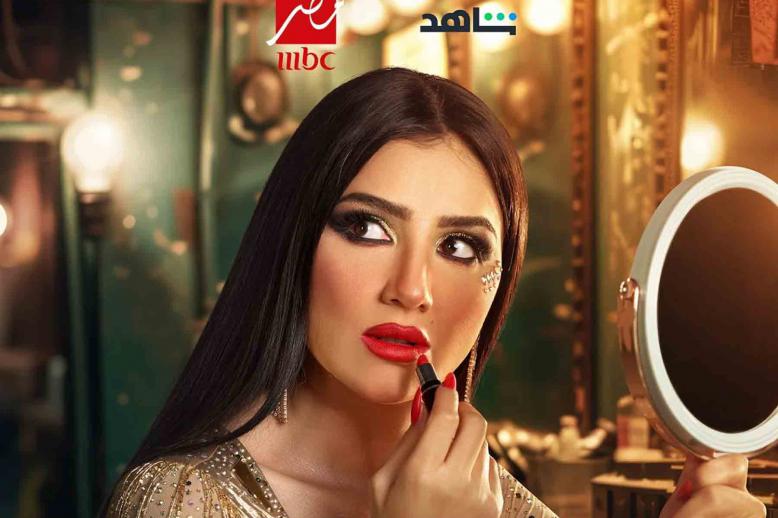
Another standout from the Ramadan lineup, “Asawir” (Bracelets), combines the sharp writing of Mohammed Qasim with the visual storytelling of director Younis Latif. The series follows Bushra, portrayed by Mina Nour El-Din, a young woman from a family struggling with economic and social hardships. Through her story, the show explores themes of resilience, everyday heroism and the role of women in navigating societal challenges, offering a relatable window into Iraqi life.
Meanwhile, “Beit Al-Teen” (House of Clay) continues to hold a unique place in Iraq’s television landscape. Entering its sixth season, the series balances its popular, traditional appeal with contemporary storytelling. Veteran actress Fatima al-Rubai'y, returning as the character Fahima, described the series’ enduring success as rooted in its authentic portrayal of Iraqi life and the intergenerational mix of talent it brings together.
Despite this creative surge, Iraqi drama remains tethered to local screens. As director Murad Turk notes, the issue is not quality but the lack of platforms and institutional backing to broadcast these works to a wider Arab audience. Actress Zahraa Ali adds that while Iraqi audiences are increasingly loyal, they long to see their stories reach viewers across the region.
The dialect barrier is a genuine obstacle, with richly local expressions and idioms sometimes limiting comprehension outside Iraq. Unlike Egyptian or Syrian shows, which benefit from decades of regional familiarity, Iraqi series must explore solutions such as subtitles, partial use of Modern Standard Arabic or pre-release cultural briefings to help audiences connect with the stories.
When compared to productions from Egypt, Syria or the Gulf, the gap lies less in artistic quality than in investment scale and distribution networks. Egyptian series, for instance, penetrate every Arab household via major satellite channels and digital platforms, while Iraqi works remain confined to a narrow local viewership.
Promising initiatives are emerging, however. Some producers are partnering with regional digital platforms, and cultural organisations are hosting screenings in neighbouring countries to broaden exposure. Veteran actor Sami Qasim sees Iraqi drama at a “critical transition,” moving beyond conventional formulas to address bold, realistic social issues. Young actress Nour al-Hadi hopes these productions will reach major platforms like Shahid or Netflix, breaking both linguistic and geographical barriers.
Ultimately, confining Iraqi drama to local screens represents a missed opportunity for the broader Arab cultural landscape. With its rich storytelling, compelling human narratives and growing pool of talent, Iraqi television has the potential to resonate far beyond its borders, if the right support and distribution strategies are put in place.