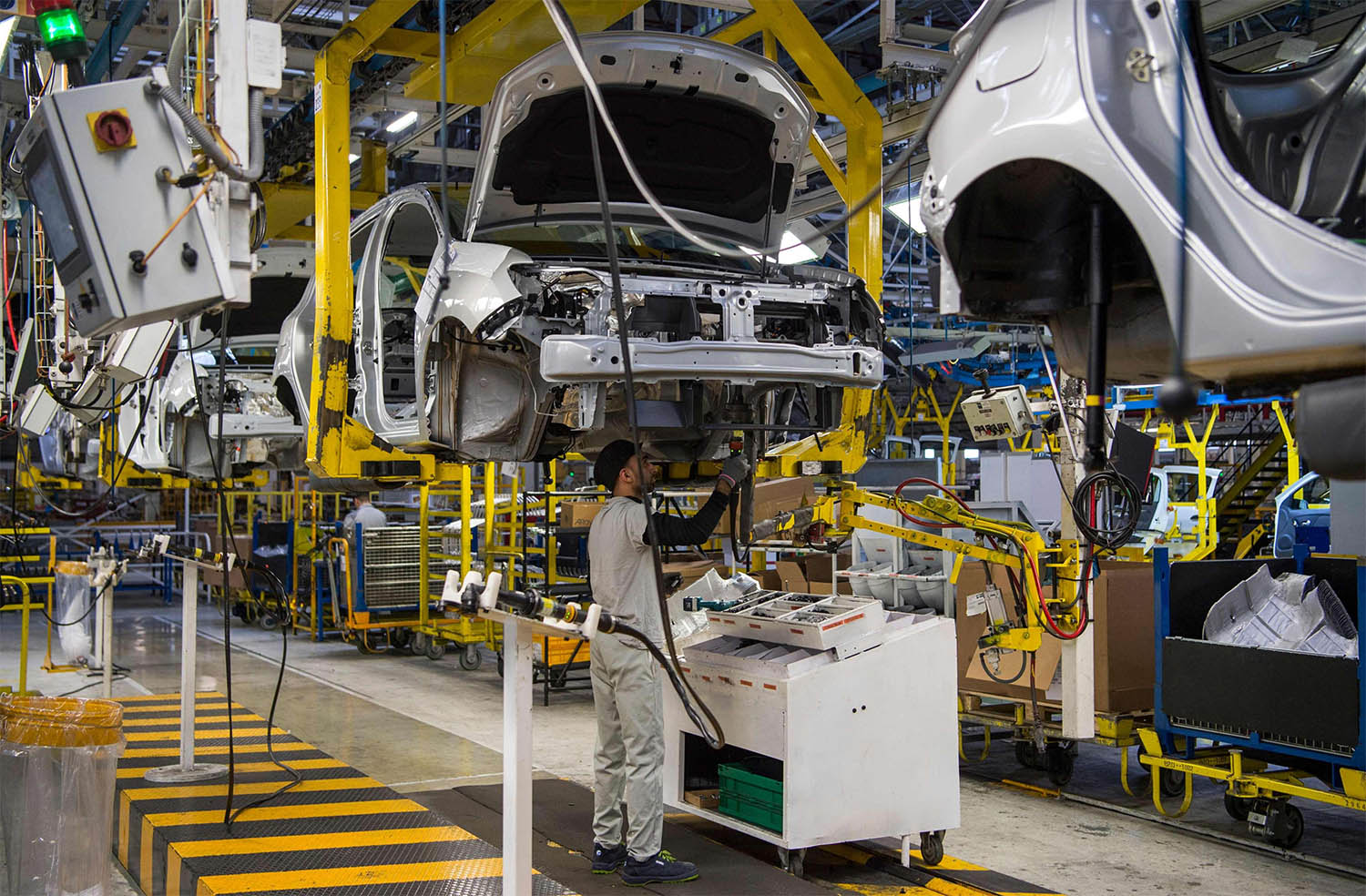
Morocco is now a hub for complex manufacturing and engineering
Morocco climbs ranks on Global Innovation Index
The North African kingdom’s journey on the GII is not just a story of incremental improvement; it is a narrative of strategic ambition and a deliberate push to become a continental innovation hub.
Tuesday 16/09/2025
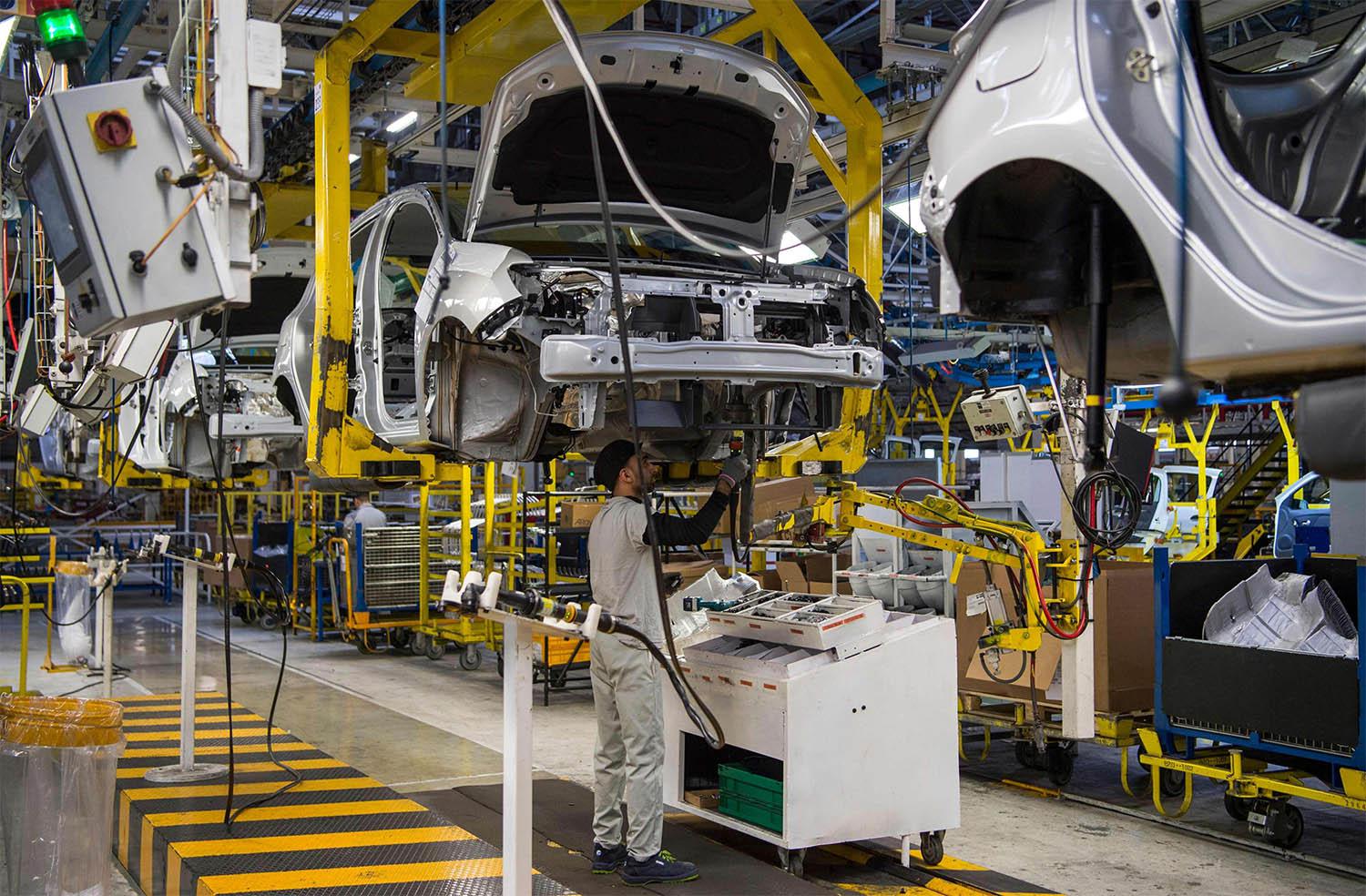
Morocco is now a hub for complex manufacturing and engineering
CASABLANCA - Morocco climbed ranks in the 2025 edition of the Global Innovation Index (GII), reaching 57th place, its best-ever ranking, and entering the global Top 60 for the first time.
This nine-place increase compared to 2024 confirms the North African Kingdom's upward trajectory, which rose from 75th place in 2020 to 57th out of 139 economies assessed by the GII.
Morocco is now ranked 4th among lower-middle-income countries and 8th in the North Africa and West Asia region.
In the global race for technological advancement and economic future-proofing, the Global Innovation Index (GII) serves as a critical annual scorecard. It ranks the innovation capabilities and outputs of over 130 economies worldwide, measuring everything from research institutions and infrastructure to creative output and market sophistication.
Morocco’s journey on the GII is not just a story of incremental improvement; it is a narrative of strategic ambition and a deliberate push to become a continental innovation hub.
While traditionally strong in sectors like agriculture and tourism, Morocco has recognized that sustained economic growth in the 21st century hinges on its capacity to innovate. This realization has been reflected in its steady climb up the GII rankings, where it has consistently held its position as a top performer in Northern Africa and now stands on the cusp of breaking into the top 50 globally.
The Engine of Growth: Pillars of Morocco's Innovation Strategy
Morocco's improved performance is not accidental. It is the result of targeted government policies, significant investment, and a clear vision outlined in national strategies like the "Innovation Morocco" plan and the New Development Model. The strengths propelling its ascent are evident across several key GII pillars, including its institutional strength.
The Moroccan government has actively created a framework conducive to innovation. This includes reforms to improve the business climate, protect intellectual property rights, and establish special economic zones dedicated to advanced technologies.
The Ministry of Industry and Trade's Moroccan Innovation Initiative is a prime example, offering financial support and guidance to innovative startups and SMEs.
Investments in education are beginning to bear fruit. Morocco has seen improvements in tertiary education enrollment and is home to a growing number of science and engineering graduates. Furthermore, the strengthening of research ties between universities and industries is helping to translate academic knowledge into commercial applications.
Massive public and private investments have dramatically modernized Morocco's infrastructure. World-class logistics hubs like Tanger Med, extensive renewable energy projects (notably the Noor Ouarzazate Solar Complex), and nationwide digitalization efforts provide the physical and digital backbone necessary for a modern, innovative economy.
The North African kingdom is increasingly seen as a stable and attractive destination for foreign direct investment (FDI), particularly in high-value sectors like automotive, aerospace, and fintech. This influx of international capital and expertise fosters a more competitive and sophisticated business environment.
Morocco's GII ranking is more than a number; it reflects a changing economic reality on the ground.
Aerospace, Automotive, Fintech Revolution and Green Technology
Morocco has moved far beyond assembly lines. It is now a hub for complex manufacturing and engineering, with companies developing high-precision components and engaging in research and development (R&D) activities locally.
The country is at the forefront of Africa's financial technology revolution. A vibrant startup ecosystem in Casablanca and Rabat is producing solutions in mobile banking, digital payments, and insurtech, driven by high mobile penetration rates and a young, tech-savvy population.
As a host of COP22 and a leader in climate action, Morocco is innovating in renewable energy. Its vast solar and wind farms are not just powering homes but are also becoming living labs for developing and exporting green technology expertise.
The Road Ahead
Despite impressive progress, challenges remain on the path to higher innovation. The GII also highlights areas for improvement, such as boosting research and development expenditure, strengthening brain gain and fostering a risk-taking culture.
The GII noted that overall investment in research and development from both the public and private sectors still lags behind that of top-tier innovative nations.
Retaining top-tier scientific and tech talent remains a challenge, necessitating policies that create more high-skilled jobs and competitive research opportunities within the country and Morocco has seen scores of brains emigrating to Canada and Europe for better opportunities.
Morocco is no longer just a regional leader; it is a globally recognized player on the innovation stage. By continuing to address its remaining challenges and doubling down on its strengths, Morocco is not just climbing the rankings - it is actively building a more diversified, resilient, and knowledge-based economy for its future.