
Morocco, an active player in fighting transnational crime
US, UK and Germany praise Morocco’s role in fighting transnational crime
Morocco has emerged as a pivotal INTERPOL member in combating transnational crime and cybercrime, leveraging its strategic position and proactive security apparatus.
Thursday 27/11/2025
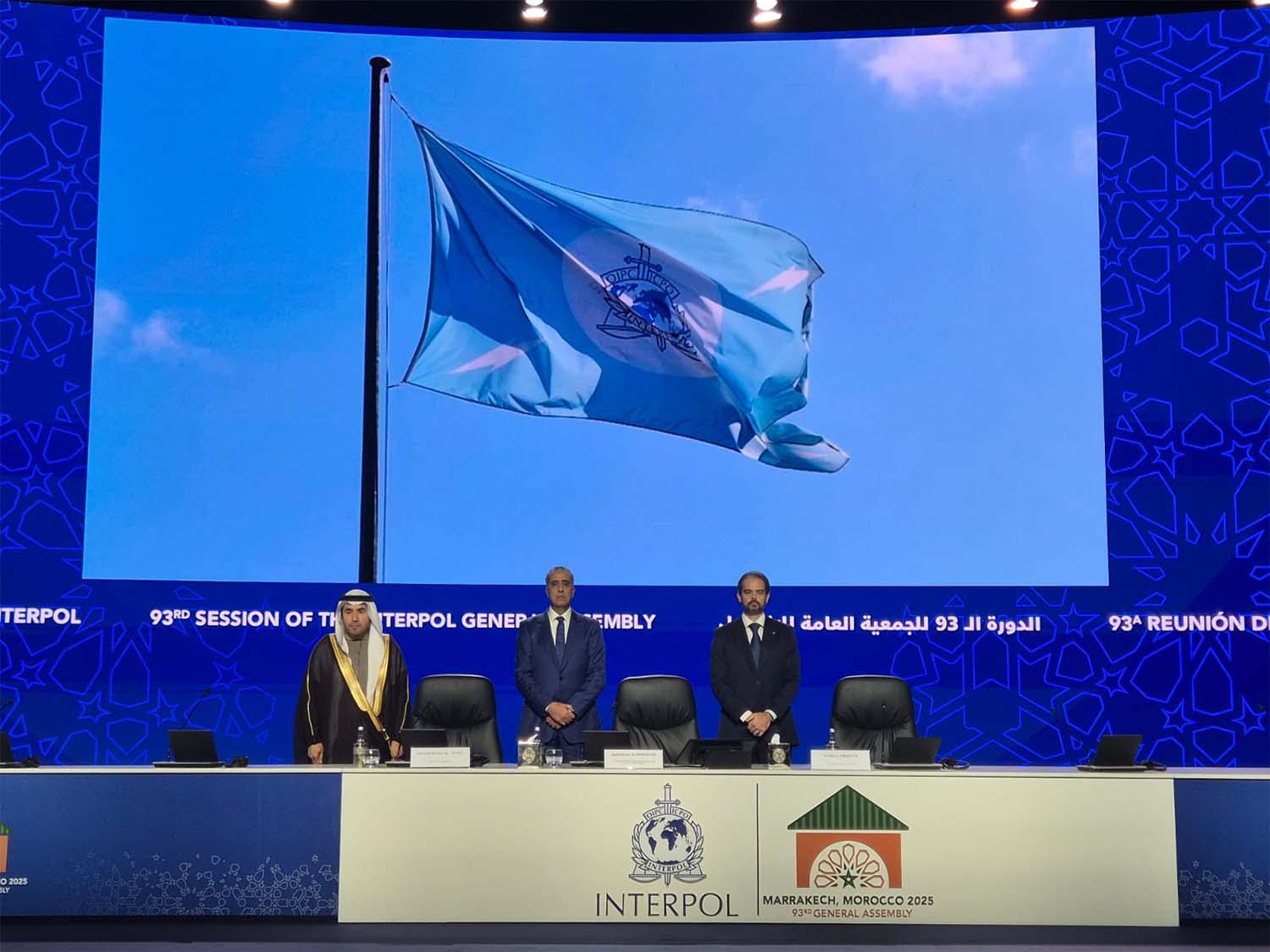
Morocco, an active player in fighting transnational crime
MARRAKECH - Morocco has emerged as a pivotal INTERPOL member in combating transnational crime and cybercrime, leveraging its strategic position and proactive security apparatus.
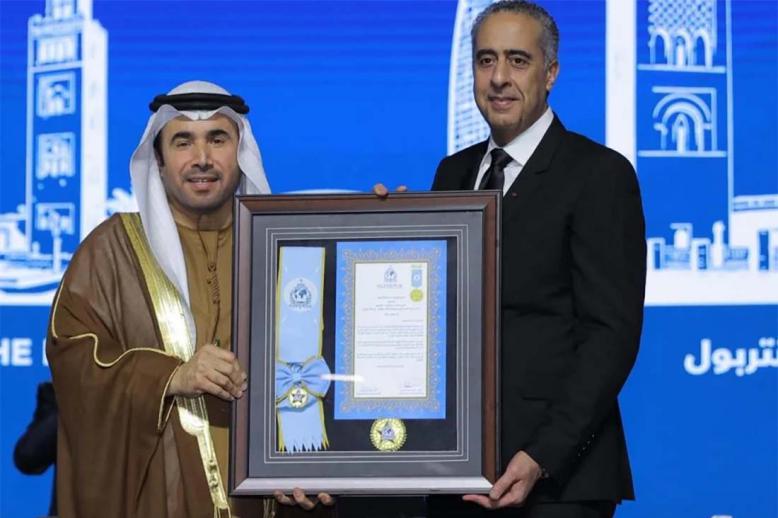
As a member since 1957, the North African Kingdom has solidified its role through leadership positions, such as electing Abdellatif Hammouchi, Director General of National Security and Territorial Surveillance, as INTERPOL Vice-President for Africa in 2024. This status underscores Morocco's commitment to multilateral cooperation against threats like terrorism, human trafficking, drug smuggling, and cyber attacks that transcend borders.
Key contributions to transnational crime fighting
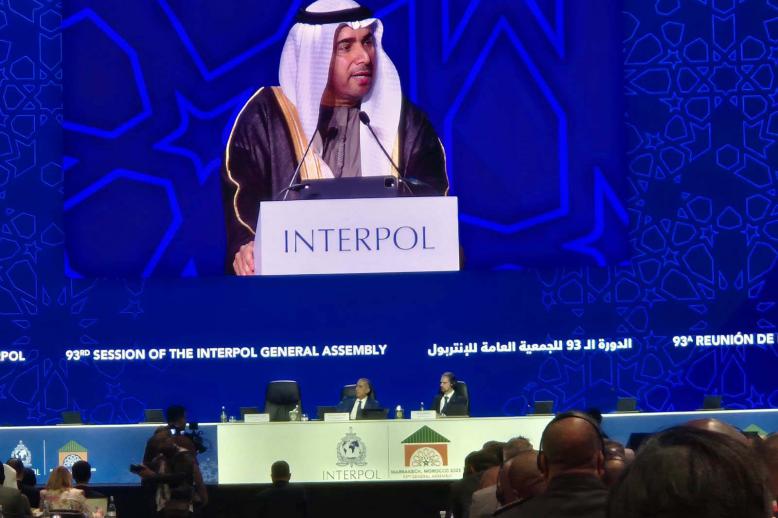
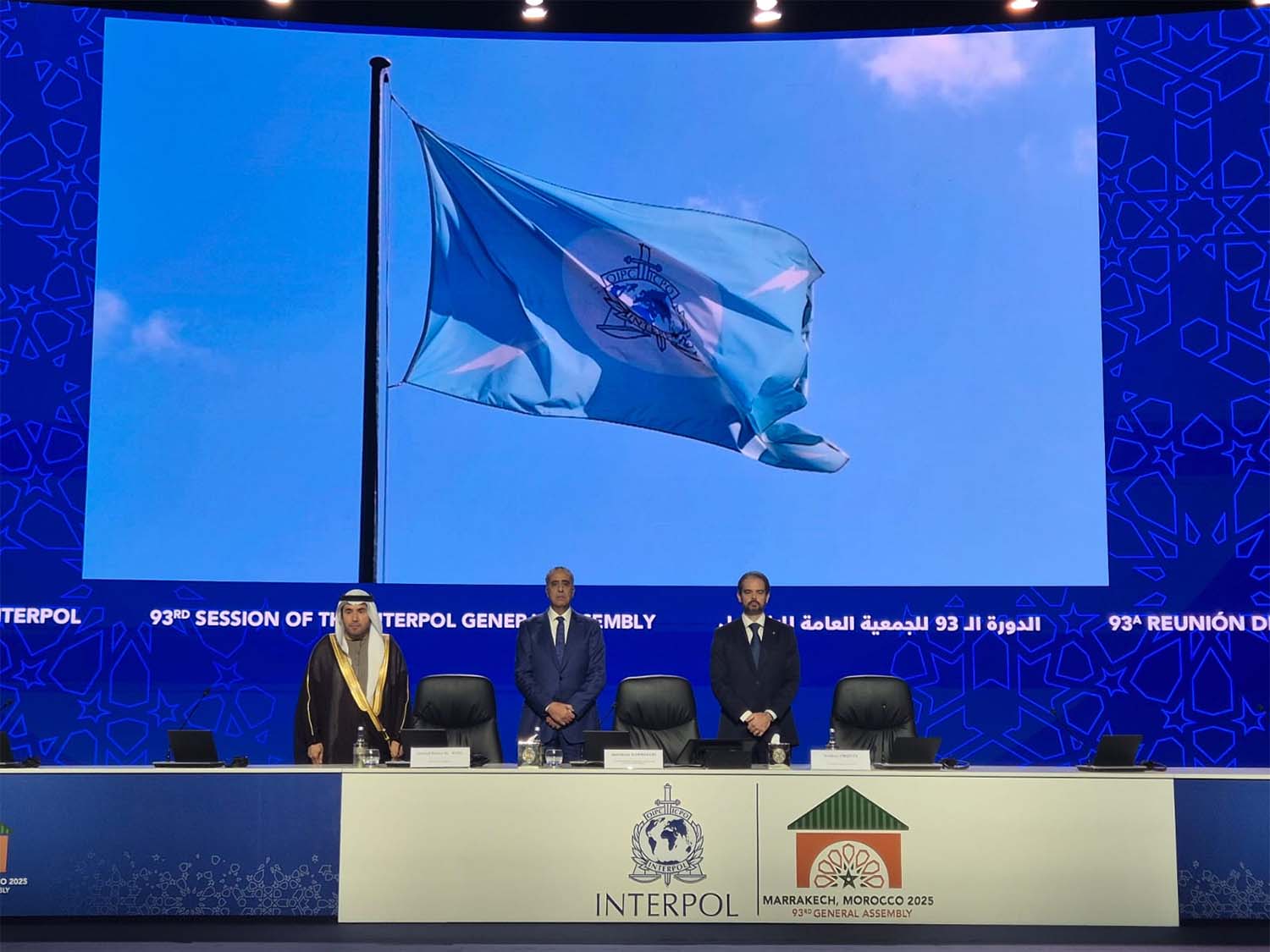
Morocco actively participates in INTERPOL-coordinated operations, sharing intelligence and expertise to dismantle cross-border networks. Its security services emphasize South-South cooperation, training African police forces to counter illegal migration, human trafficking, and organized crime syndicates. Hosting the 93rd INTERPOL General Assembly in Marrakech from November 24-27, 2025, highlights this role, with themes focusing on disrupting transnational organized crime and enhancing global policing capabilities.
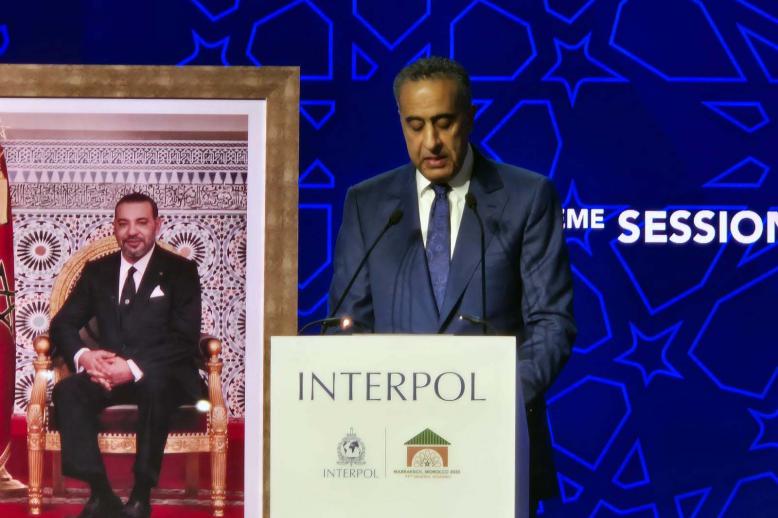
Hammouchi has stressed creating "joint and indivisible security structures" with INTERPOL partners to address unconventional risks.
Morocco hailed for cooperation on fighting transnational crime
Heads of delegations taking part in the Assembly in Marrakech praised Morocco’s cooperation with their countries in fighting terrorism and transnational crimes.
“We have a very fruitful cooperation with Morocco which has a lot of information that could have some impacts in Europe and the other way round. We also have investigations in Germany that have links to Morocco, so we have a very close cooperation, and that's very fruitful,” Muench Holger, Head of the German Interpol delegation, told Middle Est Online.
Holger, who is President of the Federal Criminal Police Office, warned that illegal immigration in Europe was a major risk that must be dealt with since it was one of the main sources of human trafficking and drug smuggling.
“You have to gather all the information and to see if you have any dangers with the persons coming in. So uncontrolled migration always is a risk,” said Holger.
Rick Jones, Head of the UK delegation, said that the cooperation between Morocco and the United Kingdom in combatting transnational crime and terrorism was solid.
“Well, the cooperation is a very strong. The United Kingdom and Morocco have been allies for an enormous amount of time, so there's a range of exchange of training and skills, new capabilities that happen on a very regular basis,” Jones told Middle East Online.
“I was just talking to a Moroccan colleague this morning, who was telling me that he'd been in the UK for some training just very recently this last week,” said Jones, who is Deputy Director for international operations at the National Crime Agency.
“So, in my opinion, there is a very strong corporation on illegal immigration. Both countries share the desire to have very strong borders.” he added.
Stephanie Crease, Head of the US delegation, said that What Morocco has been a long-standing partner with the United States.
“Our partnership goes back to I believe 1877, and during that time Morocco was the first country to recognize the independence of the United States,” said Crease.
“Morocco is very involved and integrated in making sure that all of us as a partnership combat transnational crime,” she added, praising Morocco for being an outstanding host country.
Advancements in cybercrime combat
Morocco integrates artificial intelligence and advanced technologies into policing, showcasing expertise at INTERPOL forums like the 92nd General Assembly in Glasgow. The country advocates for real-time information exchange via systems like I-24/7, bolstering responses to cyber threats that target financial systems and infrastructure. By hosting the Assembly, Morocco positions itself as a hub for innovation, supporting INTERPOL's digital tools against scam centers and hybrid cyber-physical crimes.
Strategic impact and future outlook
Through bilateral agreements and regional leadership, Morocco enhances INTERPOL's effectiveness in Africa, promoting stability amid rising cyber and organized crime. Its model of integrating human rights with robust enforcement has earned international trust, as evidenced by unanimous support for hosting global events. This positions Morocco as a bridge for North-South security collaboration, driving tangible results in global crime prevention