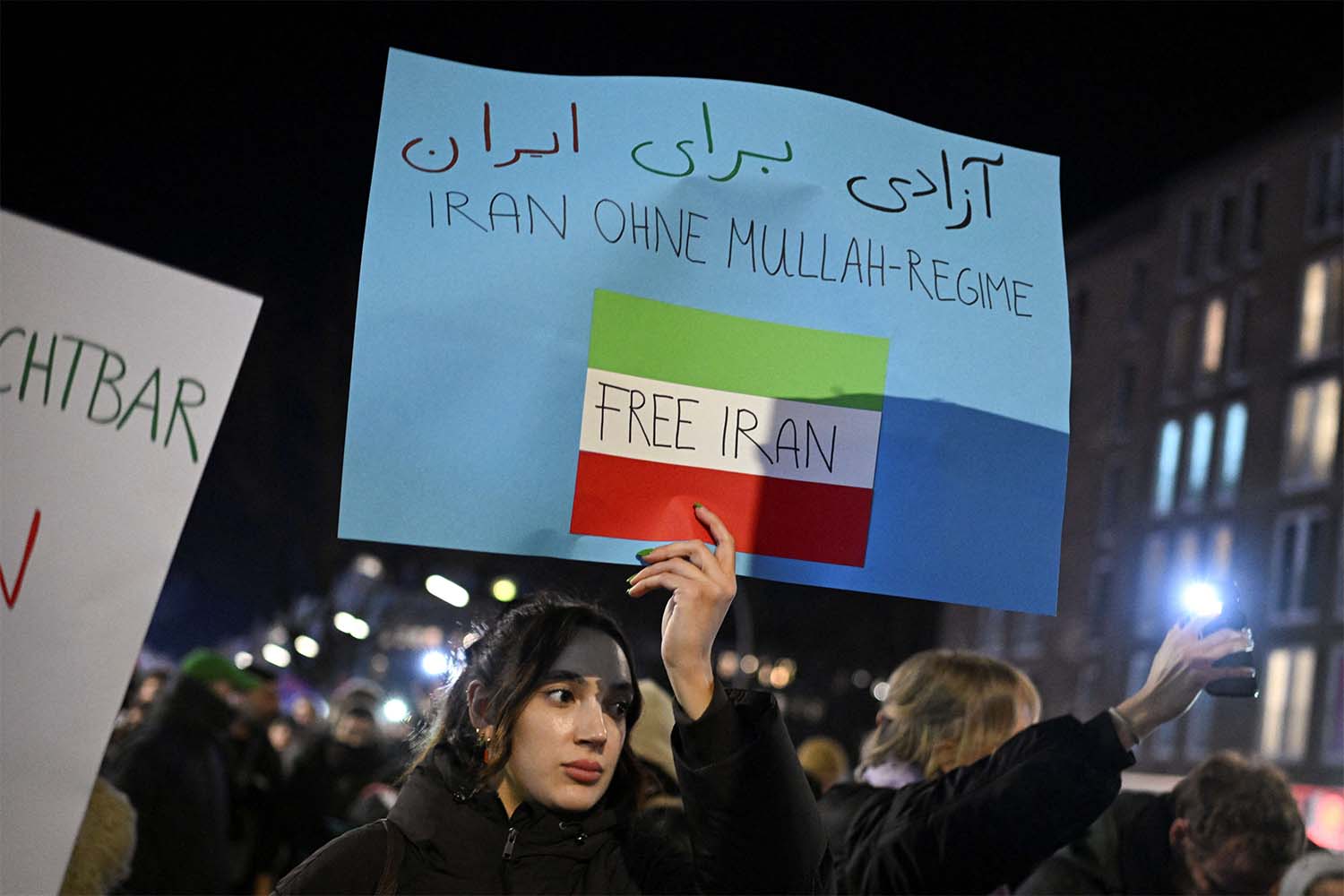
Internet blackout is Iran's digital curtain
Iran's internet blackouts shield state brutality in a decade of dissent
The last ten years have seen Iran convulsed by waves of anti-government protests, each sparked by economic hardship, corruption, or social injustices, and each met with a familiar playbook: restrict information, deploy violence, and deny accountability.
Thursday 15/01/2026
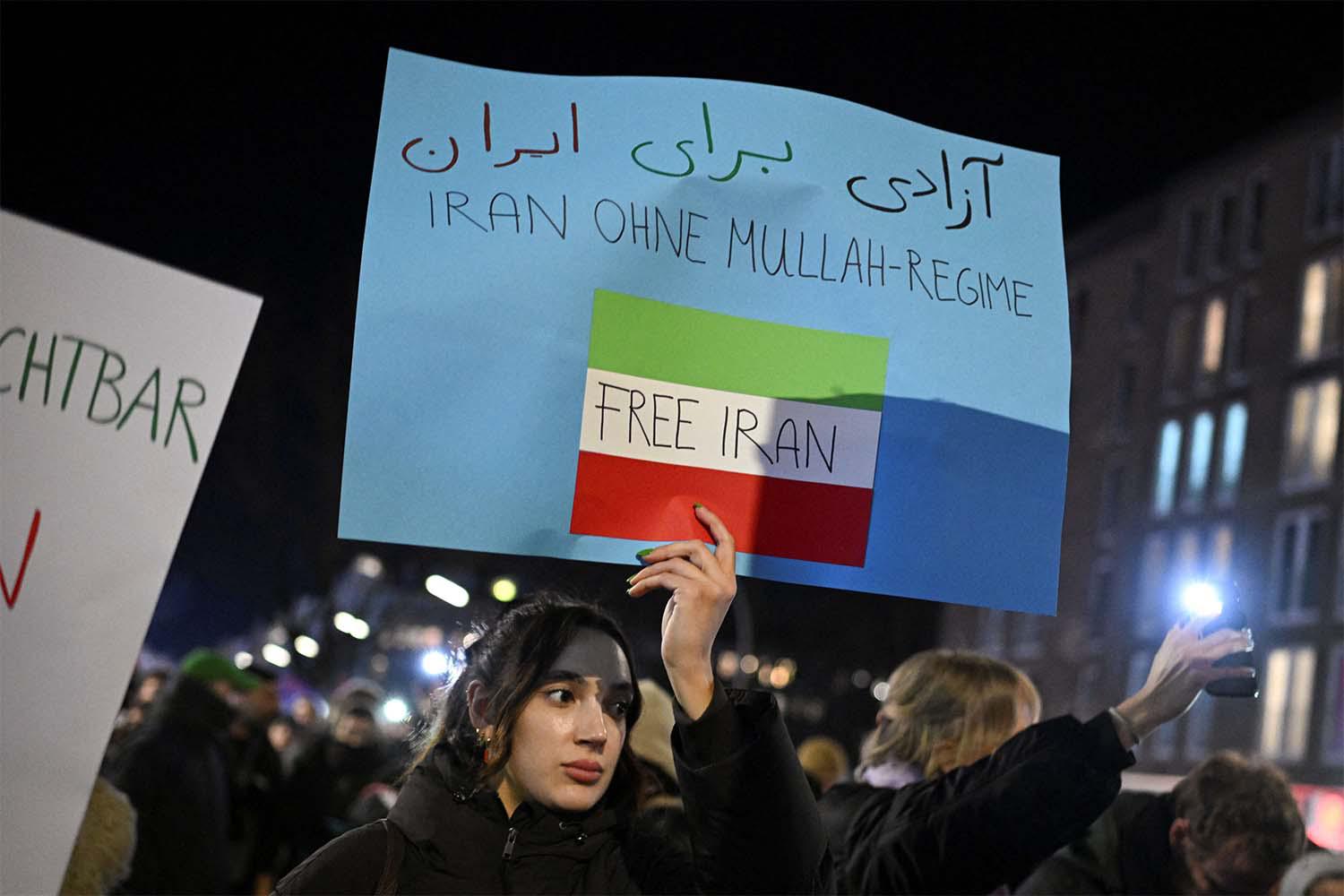
Internet blackout is Iran's digital curtain
In the shadow of Iran's towering mountains and ancient cities, a modern tragedy unfolds repeatedly: when the flames of public discontent rise, the regime pulls the plug on the internet, plunging the nation into digital darkness. This tactic, honed over the last decade, isn't just about silencing voices - it's a calculated veil for unleashing lethal force on its own people.
As we witness the harrowing events of the 2025-2026 protests, where a nationwide blackout since January 8 has coincided with reports of thousands killed by security forces, it's clear this pattern is no accident. It's a systemic tool of oppression that demands global scrutiny and action.
The last ten years have seen Iran convulsed by waves of anti-government protests, each sparked by economic hardship, corruption, or social injustices, and each met with a familiar playbook: restrict information, deploy violence, and deny accountability.
From the 2017-2018 demonstrations to the current upheaval, the regime's response has escalated, turning blackouts into enablers of mass repression. This isn't merely poor governance; it's a deliberate strategy to maintain power at any cost, eroding human rights and isolating Iranians from the world.
Consider the 2019 fuel price protests, a pivotal moment in this grim timeline. Triggered by a sudden hike in gasoline costs amid economic sanctions and mismanagement, demonstrations erupted across over 100 cities. The government's immediate reaction? A near-total internet shutdown lasting up to a week in some areas, the most extensive in Iran's history at the time.
Under this cover, security forces unleashed live ammunition, killing an estimated 1,500 protesters, according to Amnesty International reports - many shot in the head or torso at close range.
The blackout not only hampered protesters' ability to organize but also delayed international awareness, allowing the regime to control the narrative and bury evidence of atrocities. Witnesses later described scenes of chaos: streets littered with bodies, hospitals overwhelmed, and families unable to locate loved ones.
Fast forward to 2022, when the death of Mahsa Amini in morality police custody ignited the "Woman, Life, Freedom" movement. Protests swept through 220 locations in 26 provinces, with activists reporting at least 20 killed and over 990 arrested in the early days.
Again, authorities throttled internet access, imposing restrictions that disrupted social media and messaging apps crucial for coordination.
Security forces responded with tear gas, batons, and live fire, resulting in hundreds of deaths - dozens sentenced to execution in hasty trials.
The partial blackouts amplified the regime's impunity, as videos of brutality trickled out only after days, often smuggled via VPNs or satellite links.
Now, in 2026, history repeats with terrifying intensity. The 2025-2026 protests, born from economic collapse – soaring inflation, currency devaluation, and resource mismanagement as well as US sanctions - have ballooned into calls for regime change, spreading to nearly 200 cities.
On January 8, as demonstrations intensified, connectivity plummeted to 1% of normal levels, marking one of the most severe shutdowns yet.
Reports from rights groups like Iran International and Human Rights Activists News Agency (HRANA) paint a devastating picture: at least 2,500 protesters killed in just days, many by live ammunition from security forces.
Eyewitnesses describe massacres in Tehran and provinces, with forces storming hospitals, using tear gas, and firing indiscriminately - even at children.
Supreme Leader Ali Khamenei's orders for lethal force, coupled with the blackout, have created a "coordinated blackout" to conceal crimes, as one statement from activists put it.
This recurring cycle reveals a deeper truth: internet blackouts are the regime's ultimate weapon in a war against its citizens. By severing communication, they prevent real-time documentation of abuses, fragment opposition, and shield perpetrators from immediate global condemnation.
In an era where social media fuels movements worldwide, Iran's approach is a blueprint for authoritarian control—echoed in places like Myanmar or Belarus. But in Iran, it's uniquely tied to physical violence: the darkness allows for unchecked use of live fire, turning protests into killing fields.
From a truth-seeking perspective, this isn't about partisanship; it's about accountability. The regime's actions violate international norms, including the right to free expression and assembly under the Universal Declaration of Human Rights.
Economic grievances - exacerbated by corruption, sanctions, and proxy wars in Yemen, Lebanon and Syria - fuel the unrest, yet the response is always force over reform. President Masoud Pezeshkian's early calls to distinguish protesters from "rioters" ring hollow amid the bloodshed.
Sanctions targeting those ordering shutdowns and violence, alongside support for independent journalism, could amplify voices inside Iran. Ultimately, change must come from within, but the world owes Iranians the light to expose injustice.
As protests rage into their third week, the regime's grip may seem ironclad, but history shows that suppressed flames often reignite stronger. Iran's people deserve a future where dissent isn't met with bullets in the dark. The digital curtain must fall - for good.