
The UAE is believed to have played a facilitative role in the normalization of ties between Somaliland and Israel
Somaliland's emerging alliances: Deepening ties with Israel and the UAE
These alliances highlight Somaliland's strategic importance in regional security, trade, and counterterrorism efforts, particularly along the vital Red Sea shipping lanes.
Wednesday 07/01/2026
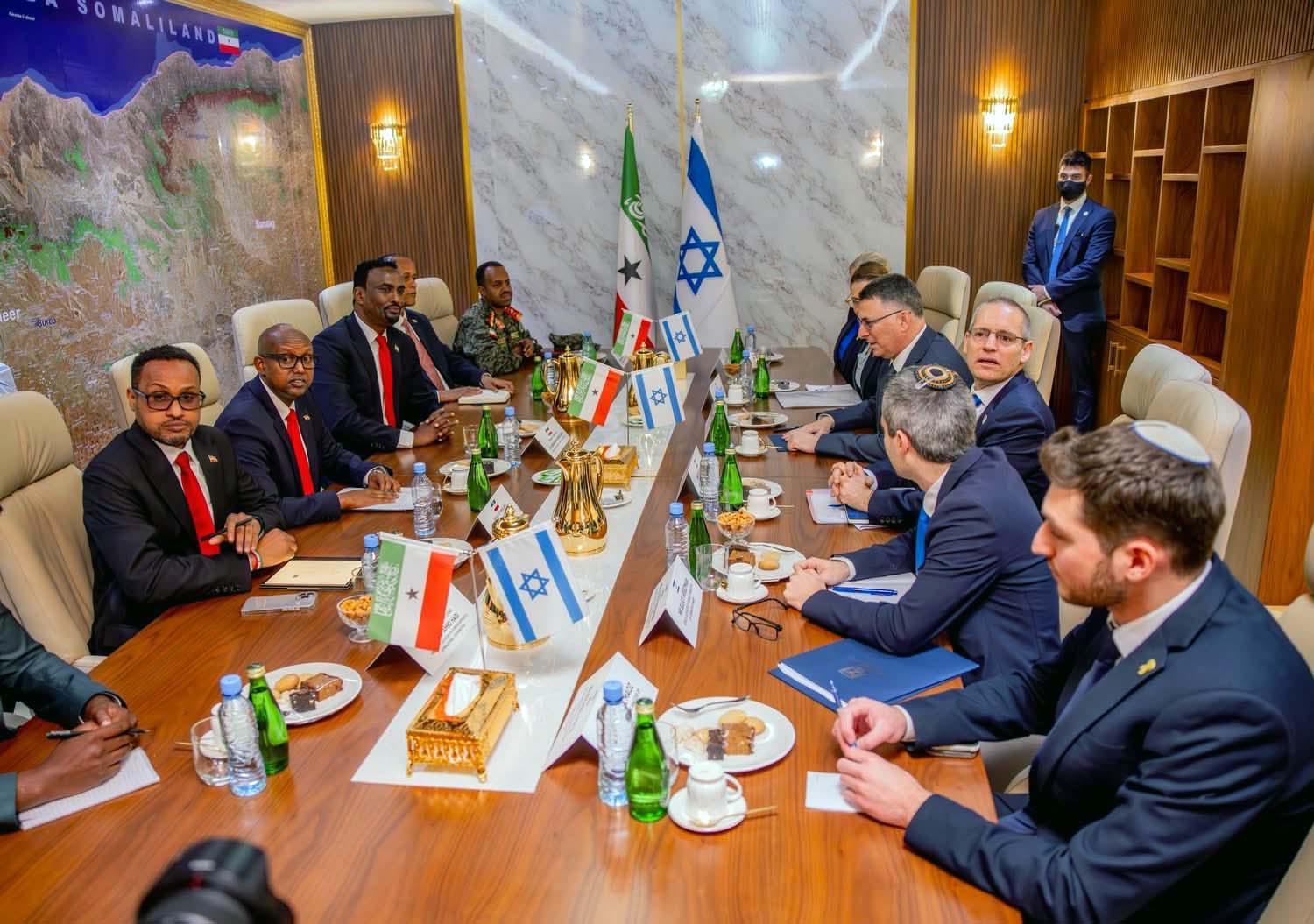
The UAE is believed to have played a facilitative role in the normalization of ties between Somaliland and Israel
Somaliland - a self-declared independent republic since 1991 has forged stronger diplomatic and economic bonds with Israel and the United Arab Emirates (UAE), drawing sharp condemnation from Somalia, which views Somaliland as an integral part of its territory in a bold geopolitical shift in the Horn of Africa.
This development highlights Somaliland's strategic importance in regional security, trade, and counterterrorism efforts, particularly along the vital Red Sea shipping lanes.
Somaliland, located in the northwest of what was once unified Somalia, declared independence following the collapse of Siad Barre's regime. Despite functioning as a de facto state with its own government, currency, and military, it has long sought international recognition to bolster its economy and security.
The region's stability contrasts sharply with the ongoing instability in southern Somalia, plagued by Al-Qaeda-linked al-Shabab insurgents and political fragmentation.
Strengthening bonds with the UAE: Economic and strategic investments
The UAE's engagement with Somaliland dates back to the mid-2010s, driven by Abu Dhabi's interest in securing influence in the Horn of Africa. A pivotal milestone was the 2016 agreement with DP World, a UAE-based ports operator, to develop and manage the Port of Berbera for $442 million.
This investment transformed Berbera into a modern hub capable of handling containers, livestock, and general cargo, providing Somaliland with crucial revenue and positioning it as an alternative trade gateway amid disruptions in the Red Sea caused by Houthi attacks.
Beyond economics, the UAE's involvement has extended to military cooperation. In 2017, Somaliland's parliament approved the establishment of a UAE military base near Berbera, though it was later reclassified as civilian amid international scrutiny.
Reports indicate that the UAE maintains a strategic presence, training local forces and supporting counterterrorism operations against groups like al-Shabab and ISIS affiliates.
This alliance aligns with the UAE's broader "sphere of influence" strategy in the region, including partnerships with Ethiopia and Eritrea.
Somalia has repeatedly protested these ties with the UAE, saying they undermining its sovereignty by dealing directly with Somaliland.
Tensions peaked in 2018 when Somalia banned DP World from operating in its ports and expelled UAE military trainers, leading to a historic low in bilateral relations.
Israel's historic recognition: A diplomatic breakthrough
In a groundbreaking move on December 26, 2025, Israel became the first nation to formally recognize Somaliland as an independent state, citing shared values of democracy, stability, and mutual strategic interests.
This decision followed years of informal contacts and was bolstered by the Abraham Accords, which normalized Israel's relations with the UAE and other Arab states.
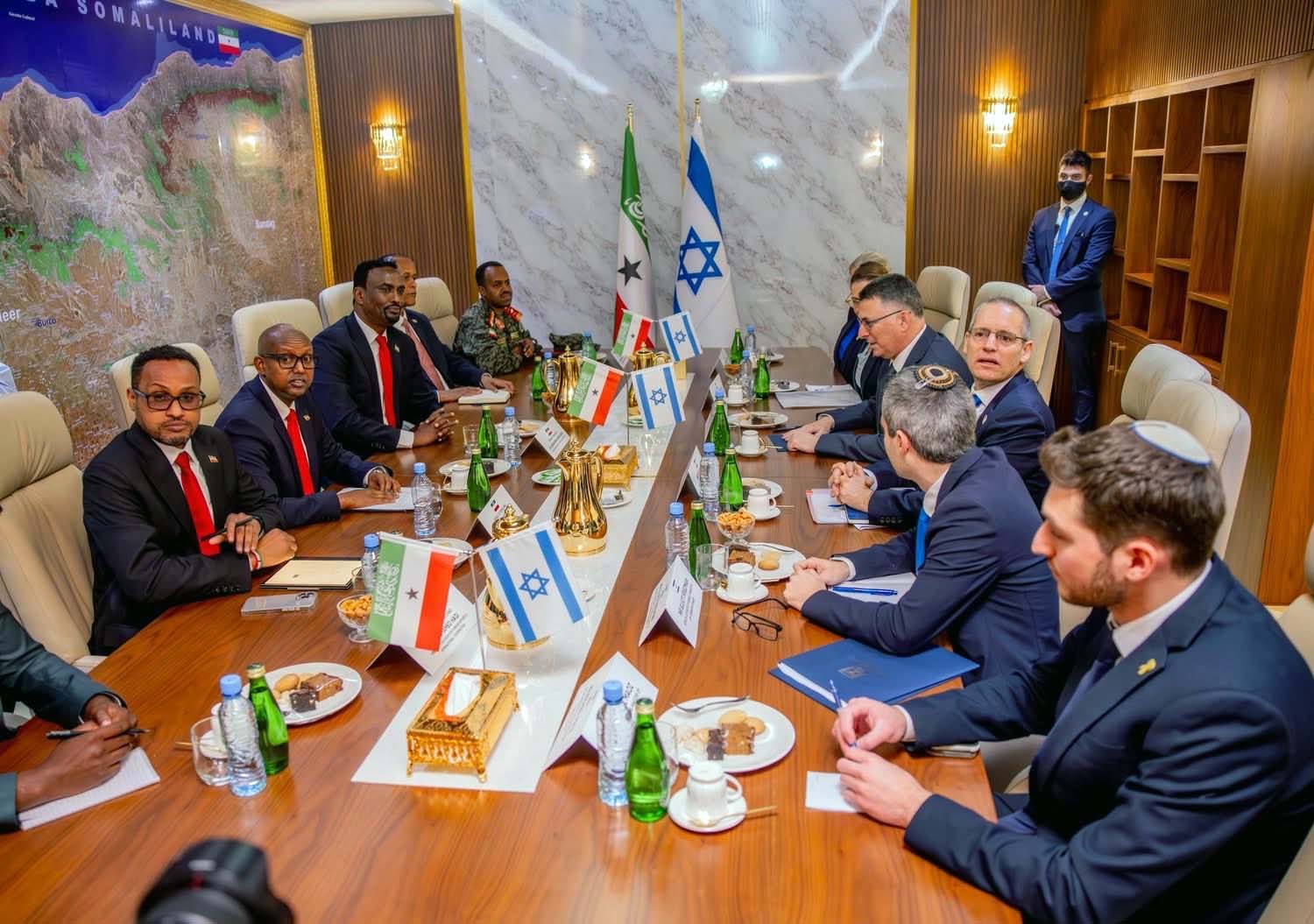
The recognition was swiftly followed by a high-profile visit from Israel's Foreign Minister to Hargeisa, Somaliland's capital, in early January 2026 - the first such trip by an Israeli official.
Discussions reportedly focused on security cooperation, including potential intelligence sharing and military training to counter threats from Iranian-backed Houthis in Yemen.
Somaliland's envoy in Washington emphasized Israel's long-standing support, stating that "Israel was always on our side."
The UAE is believed to have played a facilitative role in this normalization, leveraging its ties with both parties.
Analysts suggest that Berbera could serve as a logistics hub for Israeli operations in the Red Sea, enhancing maritime security amid escalating regional tensions.
Somalia's fury and regional repercussions
Somalia's government in Mogadishu reacted with vehement opposition, labeling Israel's recognition a "flagrant assault" on its territorial integrity and an "act of aggression."
The African Union (AU) echoed these sentiments, condemning the move as undermining African unity and prompting fears of further fragmentation in the continent.
These alliances have also influenced Somalia's foreign policy, pushing it closer to Egypt and Turkey, both rivals to Ethiopia and the UAE in regional power dynamics.
Ethiopia's own memorandum of understanding with Somaliland for sea access - signed in January 2024 - further exacerbated tensions, as Somalia views it as a threat to its unity.
Looking ahead: Opportunities and risks
Somaliland's growing ties with Israel and the UAE offer prospects for economic growth, enhanced security, and potential recognition from other nations.
However, they risk escalating conflicts in an already volatile region, with Somalia vowing to defend its sovereignty through diplomatic and possibly military means.
As global powers vie for influence in the Horn of Africa, Somaliland's strategic pivot underscores the complex interplay of recognition, resources, and rivalry - potentially reshaping alliances in the Middle East and Africa for years to come.