A historic year by all means
Morocco’s 2025: a year of diplomatic and sports triumph and economic resilience
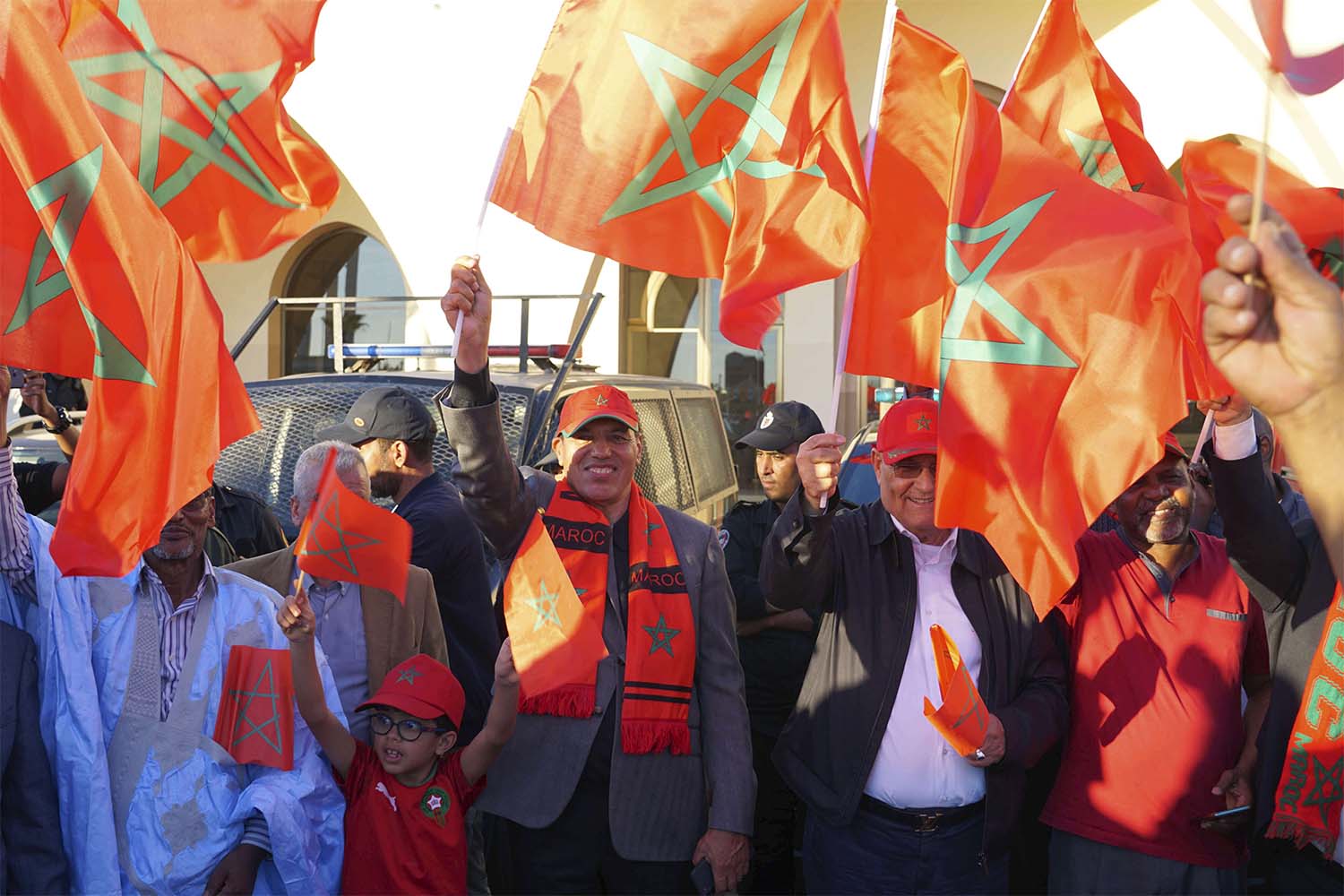
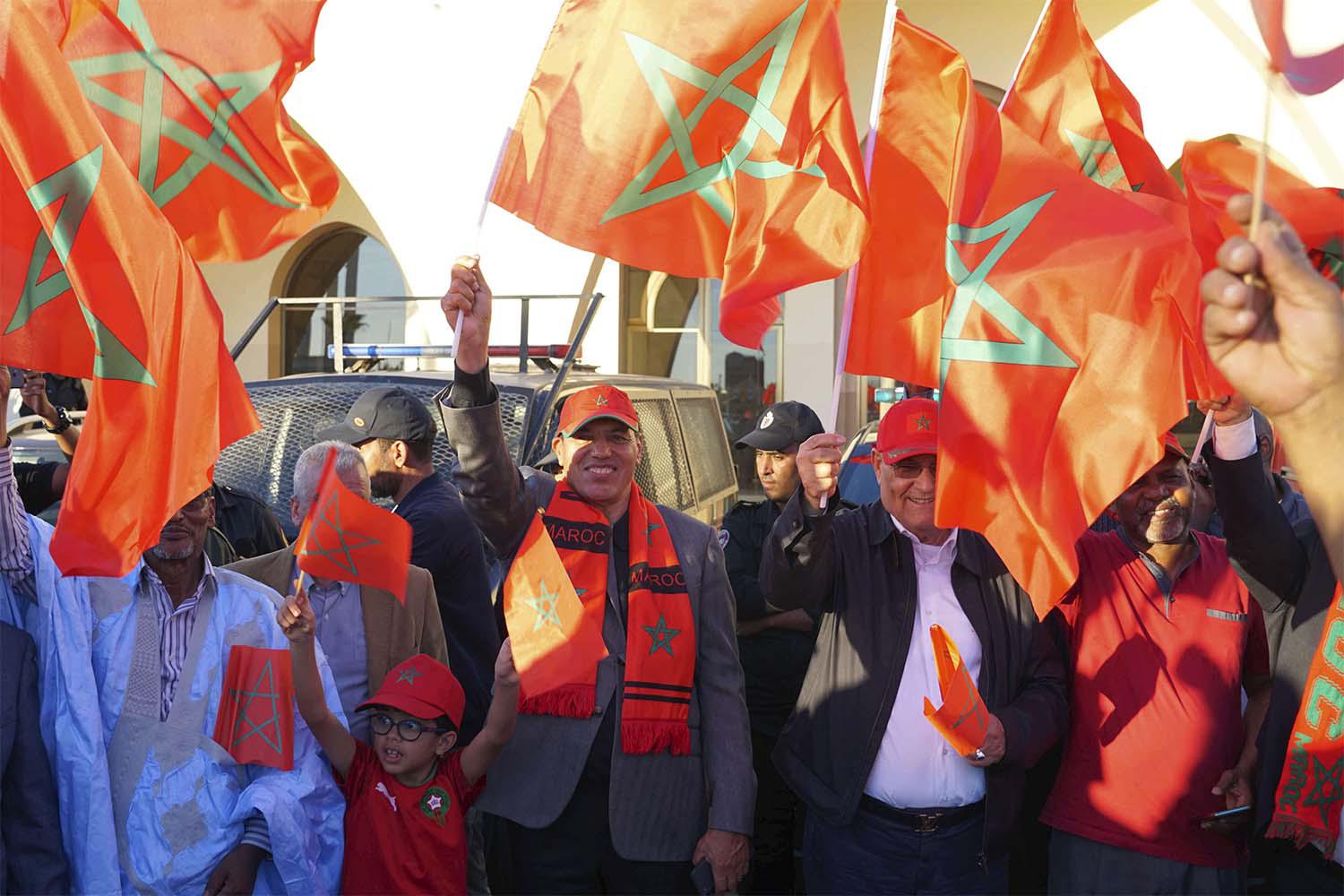
The UNSC’s recognition of Morocco’s Autonomy Plan for the Sahara as the most credible and realistic solution to one of Africa’s longest-running disputes was a triumph for Morocco’s diplomacy.
Saturday 20/12/2025
A historic year by all means
Morocco entered the global spotlight this year with a string of political and economic victories that reshaped its standing on the world stage. At the heart of these achievements was a landmark decision by the United Nations Security Council (UNSC), which formally recognized Morocco’s Autonomy Plan for the Sahara as the most credible and realistic solution to one of Africa’s longest-running disputes.
A Diplomatic milestone
In October, the UNSC adopted Resolution 2797, renewing the mandate of the UN mission in Western Sahara (MINURSO). Unlike previous resolutions, this one explicitly referenced Morocco’s Autonomy Plan, describing it as a “serious and credible” framework for resolving the conflict. With 11 votes in favour and only three abstentions, the resolution marked a historic diplomatic breakthrough for Rabat with the support of the United States, France, and the United Kingdom proving pivotal.
This recognition is not only a victory for Morocco, but also for stability in the region, validating years of patient diplomacy and reform spearheaded by King Mohammed VI.
International reactions poured in as Washington hailed the resolution as “a decisive step toward lasting peace,” reaffirming its long-standing support for Morocco’s plan.
France described the autonomy proposal as “the only pragmatic solution,” emphasizing Morocco’s role as a stabilizing partner in North Africa.
Several member states of the African Union welcomed the UNSC’s stance, noting that Morocco’s plan could serve as a model for conflict resolution across the continent.
The decision coincided with the Morocco’s celebration of the 50th anniversary of the Green March, a symbolic moment underscoring Morocco’s transformation into a modernized state with stronger institutions, digitalized governance, and a reinforced social model.
Economic gains amid global uncertainty
While diplomacy dominated headlines, Morocco’s economy quietly demonstrated resilience in 2025. Despite global energy volatility and inflationary pressures, the country maintained steady growth, supported by structural reforms and diversification.
International observers projected moderate recovery, with Morocco weathering external shocks better than many regional peers.
The North African Kingdom’s economy shifted toward manufacturing, renewable energy, and services, reducing reliance on climate-sensitive agriculture. Morocco continues to invest in infrastructure as major projects in transport, logistics, and renewable energy reinforced Morocco’s ambition to become a continental hub.
The 2025 Finance Bill expanded healthcare coverage, education reforms, and targeted subsidies for vulnerable populations in line with King Mohammed VI’s aspirations.
Football as a soft power in Morocco’s sports strategy
Morocco’s 2025 achievements weren’t only political and economic. The country also shone brightly on the international sports stage, adding another layer of prestige to its global profile.
The biggest headline came in October when Morocco’s U-20 national team won the FIFA World Cup in Chile, a historic first for the “Lion Cubs of the Atlas.” The victory sparked jubilant celebrations across the country, culminating in a royal reception at the Rabat Palace hosted by King Mohammed VI and Crown Prince Moulay El Hassan.
The reserve national team clinched the 2025 Arab Cup, defeating Jordan in a thrilling final. The win was celebrated as a symbol of Morocco’s growing dominance in Arab football.
These successive football victories generate global media coverage, putting Morocco in headlines far beyond Africa, giving the North African Kingdom global fame that has translated into soft power influence.
Morocco also prepared to host the 2025 Africa Cup of Nations (AFCON), with The African Football Confederation (CAF) praising Morocco’s readiness to deliver a world-class tournament. This reinforced the country’s reputation as a premier destination for major sporting events.
Morocco’s 2025 story is one of diplomatic triumph and economic resilience. The UNSC’s recognition of its autonomy plan gave Rabat unprecedented international legitimacy, while domestic reforms and infrastructure investments bolstered its economic standing. As the country looks ahead, balancing growth with equity and navigating regional tensions and the youth’s demands will define its next chapter.