

'Iran today is a society shaped by decades of political repression and economic mismanagement'
How pro-Pahlavi misinformation ends up helping Khamenei
When viral clips suggest that protests are fundamentally about returning the shah’s son to power, they misrepresent a movement that has repeatedly rejected inherited authority in favor of popular sovereignty.
Tuesday 27/01/2026
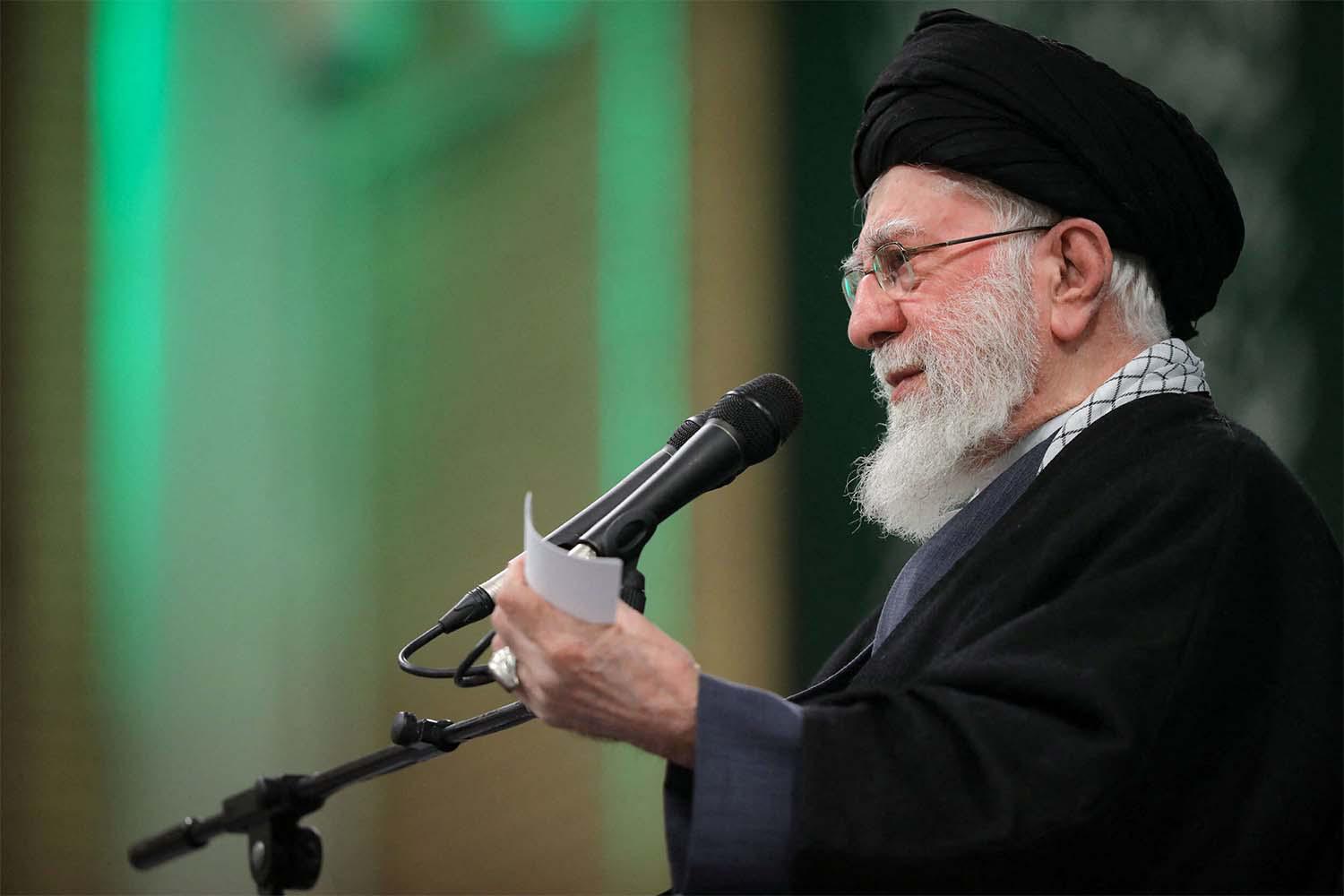
'Iran today is a society shaped by decades of political repression and economic mismanagement'
Iranians have lived under authoritarian rule for more than four decades. Few would dispute that they deserve freedom, dignity, and the right to choose their future. What they do not deserve is to have their struggle reshaped by misinformation—especially when that misinformation replaces the lived reality of Iranians with manufactured narratives designed for social media.
Yet this is exactly what has happened in parts of the online campaign surrounding Reza Pahlavi, the son of Iran’s deposed shah. What may appear to some supporters as enthusiastic advocacy has, in practice, created distortions that risk harming Iran’s protest movement more than helping it.
Former New York City mayor Rudy Giuliani recently expressed this criticism bluntly, calling Reza Pahlavi a “nepo baby” who has “never done a damn thing for the Iranian people except live luxuriously off the wealth stolen from them.” The language is provocative, but the underlying concern goes far beyond personal insults. It highlights a widening gap between how political leadership is portrayed online and what Iranians inside the country are actually demanding.
That gap is increasingly filled with misleading videos, exaggerated claims, and recycled footage presented as evidence of overwhelming support for a single exiled figure. Some of this content may not be intentionally false, but it still creates a misleading impression of unity, inevitability, and mass endorsement. In Iran’s political reality, this illusion does not weaken the Islamic Republic. It strengthens it.
A Diverse Society Reduced to a Single Narrative
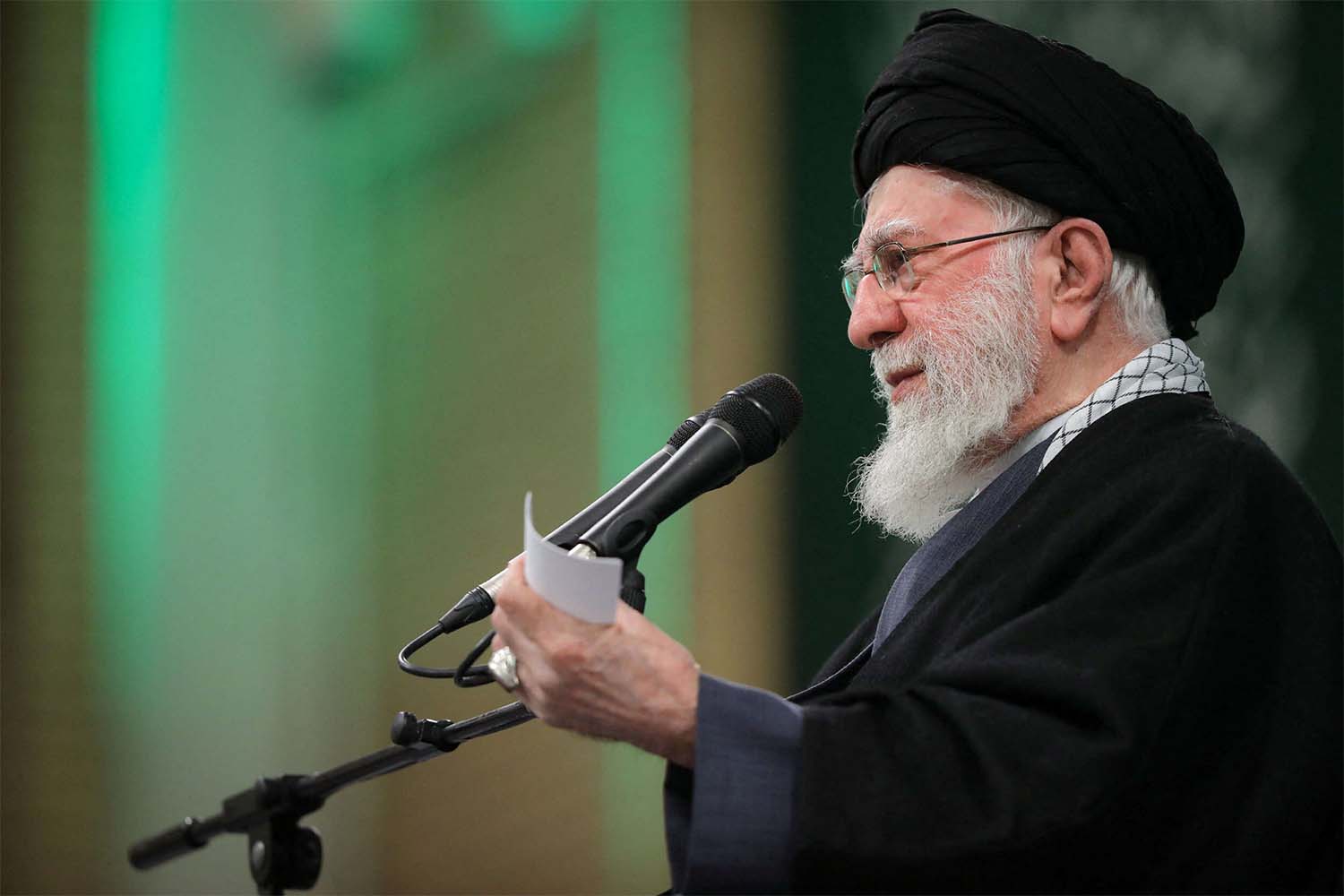
Iran today is a society shaped by decades of political repression and economic mismanagement. Its grievances are wide-ranging: unemployment, corruption, gender inequality, ethnic discrimination, generational frustration, and the crushing weight of authoritarian control.
Independent reporting by organizations such as Amnesty International and Human Rights Watch has consistently shown that protesters’ slogans center on freedom, accountability, and dignity, not the restoration of monarchy. Chants like “Death to the dictator” have been directed broadly at authoritarian rule, not framed as endorsements of dynastic succession.
Attempts to retrofit this complex reality into a monarchy-centered storyline flatten Iran’s social landscape. When viral clips suggest that protests are fundamentally about returning the shah’s son to power, they misrepresent a movement that has repeatedly rejected inherited authority in favor of popular sovereignty.
This matters because perception shapes legitimacy—and legitimacy is the currency of both revolutions and counter-revolutions.
How Misinformation Becomes a Gift to the Regime
For years, Tehran has claimed that protests are not organic expressions of public anger but foreign-driven conspiracies led by exiles and elites disconnected from Iranian society. State media routinely portrays demonstrators as tools of Western intelligence agencies or nostalgic royalists seeking to reclaim lost privilege.
Misleading social media content plays directly into this narrative. When Iranian state television points to recycled protest footage, doctored videos, or exaggerated claims circulating online, it does not need to prove that all opposition voices are dishonest. It only needs to show enough distortion to cast doubt on authenticity. That doubt is often enough to weaken international sympathy and domestic trust.
In this way, opposition-aligned misinformation becomes a strategic asset for the Islamic Republic. False certainty is easier to attack than uncomfortable complexity. A messy, pluralistic movement is harder to discredit than one falsely presented as a single, centralized project led from abroad.
Visibility Is Not Legitimacy
There is an important difference between genuine support and amplified visibility. Social media collapses that distinction. Coordinated posting, emotional language, and repetition can make a political figure appear inevitable—as if history itself has already chosen a leader.
But inevitability online does not translate into legitimacy on the ground. Many Iranians who oppose the Islamic Republic also strongly oppose monarchy, hereditary rule, and the idea that political authority should be inherited rather than earned. Iran’s 1979 revolution, regardless of its tragic outcome, was rooted in opposition to absolute monarchy as well as dictatorship.
When these Iranians see their struggle repackaged as a coronation campaign, they feel erased. The result is not persuasion but alienation. Trust erodes—not only in the figure being promoted, but in opposition discourse more broadly.
Distrust is corrosive. It fragments movements, weakens solidarity, and leaves space for authoritarian narratives to reassert themselves.
Truth Is Not a Tactical Luxury
Supporters of any political alternative may argue that exaggeration is justified under repression—that inflated visibility helps keep global attention on Iran. But this logic is short-sighted.
Authoritarian systems are not undone by spectacle alone. They are undone when reality becomes undeniable—when facts, testimonies, and lived experiences accumulate to the point that denial collapses.
Misinformation achieves the opposite. It muddies the historical record, confuses outside observers, and gives those in power an excuse to dismiss genuine grievances as propaganda.
In this context, accuracy is not neutrality. It is strategy.
Maryam Rajavi, president-elect of the National Council of Resistance of Iran (NCRI), articulated this point in an interview with the U.S. news outlet Just the News. She stated that monarchy in Iran is “a symbol of dictatorship and absolute rule,” adding that Iranian society “will not, under any circumstances, accept a return to that kind of despotism and chauvinism.”
She pointed to historical facts: under Mohammad Reza Shah, Iran was ruled through SAVAK, the regime’s notorious political police, which relied on torture, mass surveillance, imprisonment, and executions of political opponents. These abuses are well-documented by historians and human rights organizations, including reports published after the 1979 revolution and declassified U.S. government documents.
Rajavi posed a sharp rhetorical question: “after World War II, would Hitler’s National Socialism have been allowed to participate in governing Germany?” Her comparison underscores a broader point—societies emerging from dictatorship do not build democracy by recycling symbols of past authoritarianism.
A Choice Facing the Opposition
Iran’s future will not be decided by viral videos, trending hashtags, or carefully curated social media narratives. It will be decided by whether Iranians—inside the country and in the diaspora—can preserve credibility, pluralism, and intellectual honesty under extraordinary pressure.
The choice facing the opposition is simple, even if the path forward is not: Build legitimacy through truth, or sacrifice it for illusion.
History offers a clear lesson. Movements that win are those that reflect reality, respect diversity, and refuse to trade short-term attention for long-term trust. In Iran’s case, the cost of getting this wrong is not just political failure—it is the prolongation of authoritarian rule itself.
Abdollah Pakatchi, political science graduate from Tehran University, with decades of expertise on politics and human rights challenges across Middle East and Iran.
Views expressed in this article may or may not reflect those of Middle East Online.
