

Prospects for a breakthrough remain uncertain
Kurdistan government talks stall as KDP-PUK feud reignites
The latest confrontation was triggered by a PUK initiative aimed at breaking the political impasse through a closer alliance with the New Generation Movement.
Thursday 25/06/2026
Prospects for a breakthrough remain uncertain
ERBIL, Iraq – Renewed political tensions and an escalating war of words between the two dominant parties in Iraq's Kurdistan Region have pushed efforts to form a new regional government back into deadlock, more than a year and a half after parliamentary elections were held in October 2024.
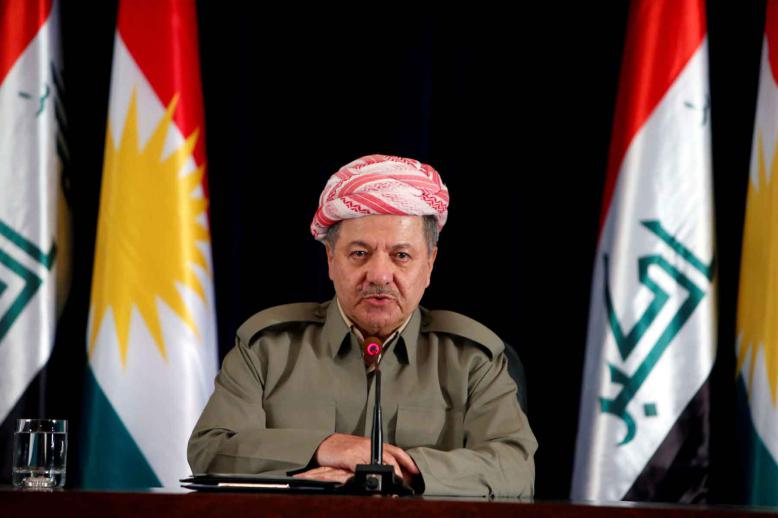
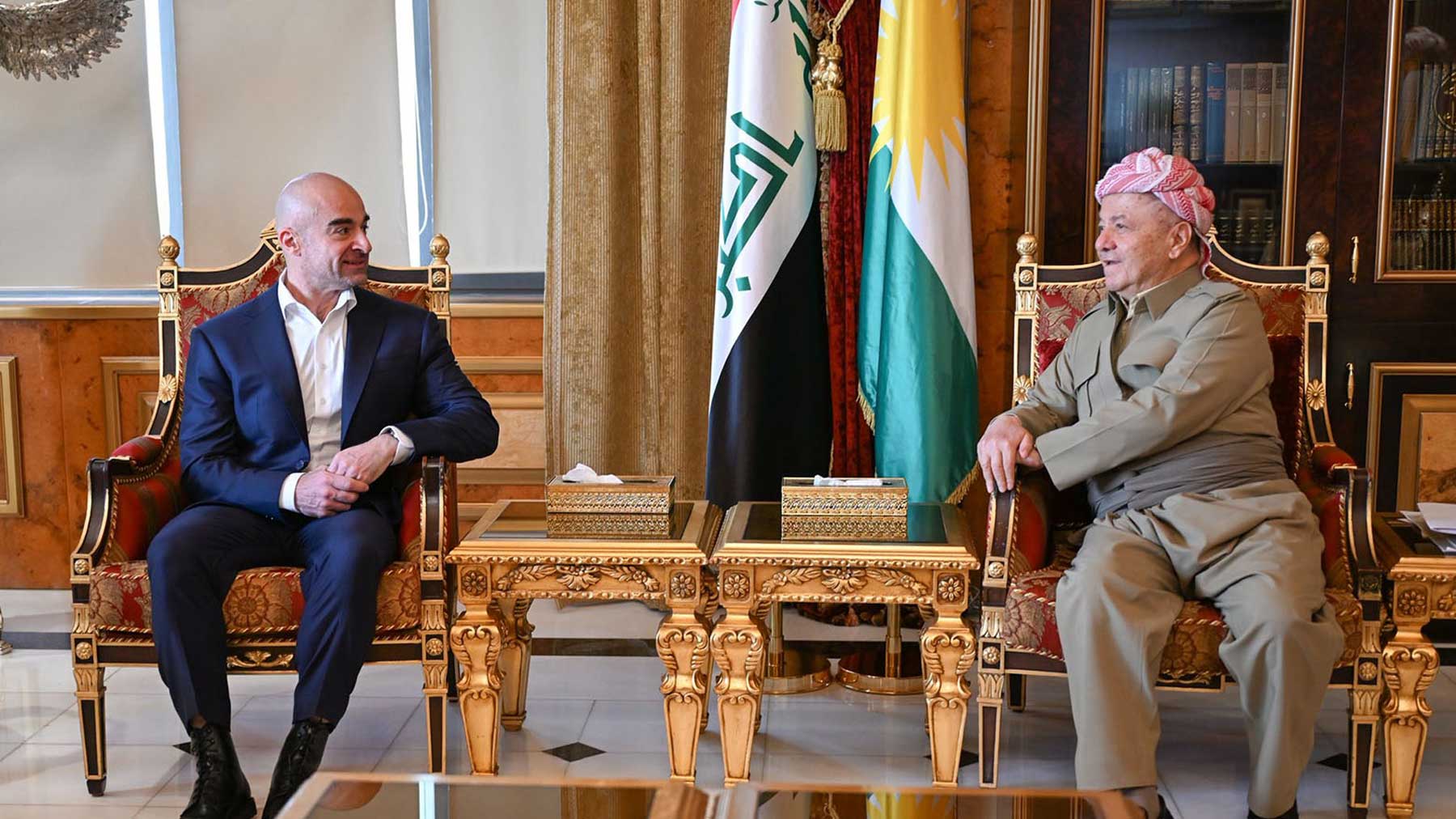
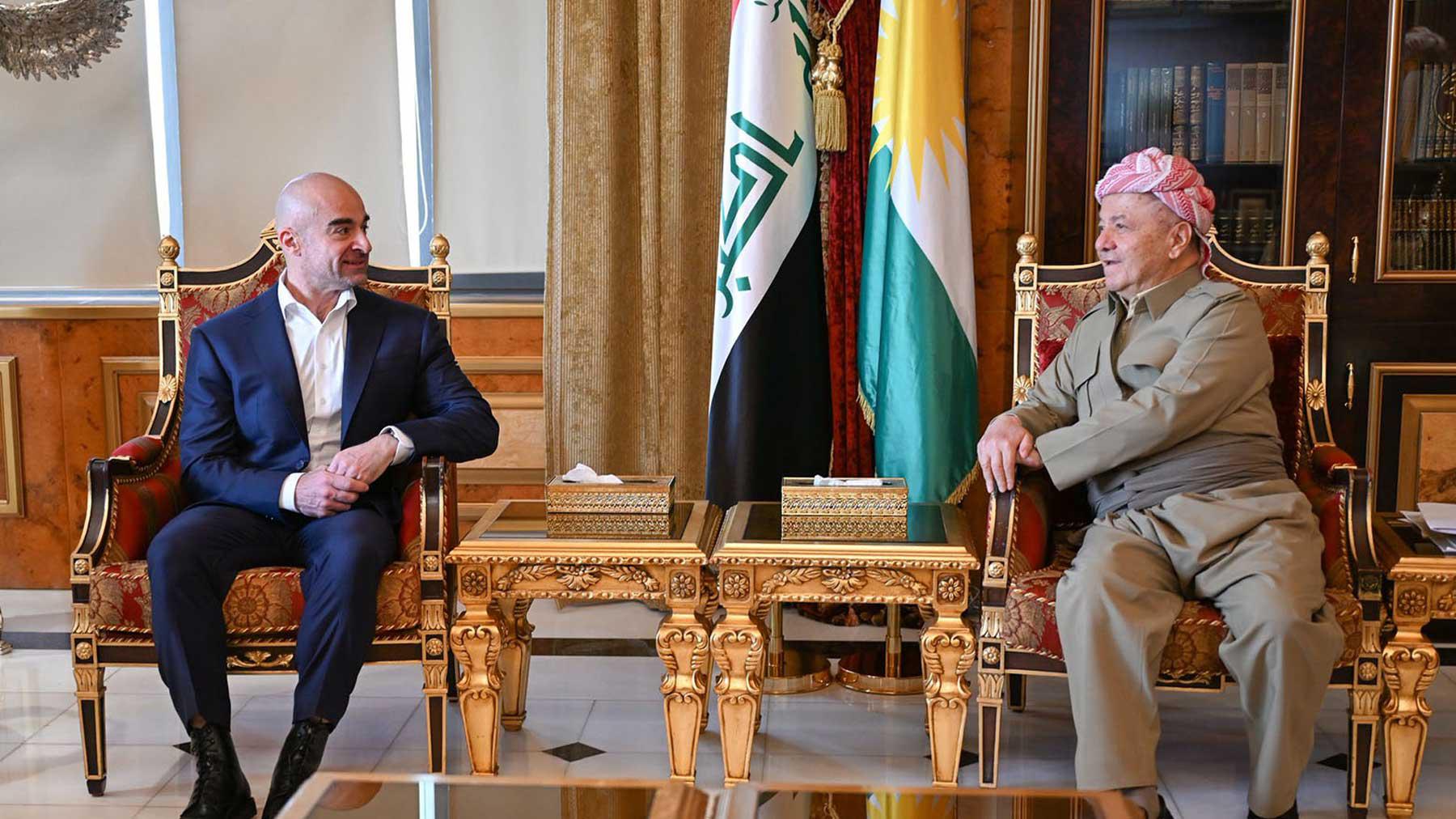
The latest dispute between the ruling Kurdistan Democratic Party (KDP), led by the Barzani family, and the Patriotic Union of Kurdistan (PUK), headed by Bafel Talabani, underscores the deep divisions that continue to paralyse the region's political institutions despite repeated rounds of negotiations.
Since the elections, the newly-elected parliament has remained largely inactive due to the failure to complete its leadership structure and institutional framework. Meanwhile, the outgoing administration has continued to function in a caretaker capacity, prompting growing political and legal questions over the legitimacy of some of its decisions during a transition period that has stretched far longer than anticipated.
As has often been the case in Iraqi politics since 2003, the dispute centres on the distribution of power and influence within government institutions.
The PUK argues that the balance of power within the Kurdistan Region must be recalibrated and insists that government formation should be based on what it describes as genuine partnership and institutional reform. The KDP, however, maintains that the election results must be respected after emerging as the clear winner with 39 seats in the 100-member parliament, compared with 23 seats for the PUK and 15 for the New Generation Movement.
The latest confrontation was triggered by a PUK initiative aimed at breaking the political impasse through a closer alliance with the New Generation Movement, a move designed to strengthen its negotiating position and reshape parliamentary dynamics in its favour.
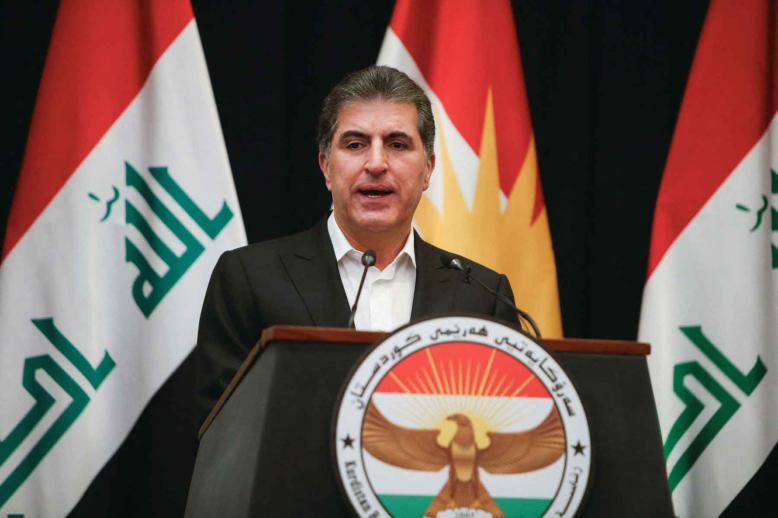
Speaking at a news conference, PUK spokesman Karwan Gaznay announced that his party would sign a formal political agreement with the New Generation Movement early next month.
"The PUK will not compromise on the rights of the people of Kurdistan," Gaznay said, insisting that his party remained committed to "correcting the course of governance in the Kurdistan Region" and implementing meaningful reforms.
He voiced concern over the prolonged delay in forming the next cabinet and accused the KDP of pursuing policies of dominance and unilateral decision-making.
"The policy of imposing will and exclusion does not serve the stability of the Kurdistan Region. It causes political and administrative losses for Kurdistan," he said.
Gaznay stressed that the PUK still favoured forming a government jointly with the KDP but only on the basis of what he called "genuine partnership and political consensus."
He added that the current administration remains merely a caretaker government pending an agreement on the formation of the tenth cabinet of the Kurdistan Regional Government (KRG).
The KDP responded sharply, accusing the PUK of attempting to overturn the outcome of the elections and obstructing efforts to activate parliament and establish a new government.
In a strongly-worded statement, KDP spokesman Mahmoud Mohammed said it would be better for the PUK to reconsider its language and accusations.
"It is precisely the PUK that seeks a policy of imposition by force on the outcomes and results of the election, without regard for the votes and will of the people of Kurdistan," Mohammed said.
He accused the PUK of deliberately delaying the election of the parliamentary leadership and blocking the formation of the tenth cabinet despite months of negotiations.
According to the KDP, the PUK has struggled to accept the election outcome and has sought to create political pretexts to justify institutional paralysis.
The party argued that electoral legitimacy derives directly from voter support and said the KDP's position reflects the confidence granted to it by the electorate.
"The only correct statement in the PUK spokesperson's remarks is that imposing one's will damages the Kurdistan Region," the KDP statement said, arguing that it is the PUK, not the KDP, that is attempting to override the democratic process.
The dispute reflects the broader challenges facing efforts to establish a coalition government in the autonomous region.
Unlike previous periods when political agreements were often reached behind closed doors, the current negotiations have become increasingly contentious as both parties seek greater leverage in determining the allocation of key government positions and sovereign ministries.
One of the principal sticking points remains the distribution of senior posts, particularly the Interior Ministry, which the PUK has long sought to secure as part of a broader power-sharing arrangement.
The deadlock has been compounded by the PUK's growing cooperation with the New Generation Movement. Earlier this year, the two parties agreed to coordinate their positions and negotiate collectively with the KDP, effectively presenting themselves as a united political front.
The KDP has reportedly resisted that approach, insisting on negotiating separately with each party rather than recognising their alliance as a single bloc.
Beyond the immediate dispute over ministerial portfolios, the prolonged stalemate has exposed deeper structural weaknesses within the political system of the Kurdistan Region and, more broadly, Iraq itself.
The crisis highlights how the system of consensus-based governance, originally intended to accommodate political and ethnic diversity, has increasingly evolved into a mechanism for bargaining over power and influence.
Rather than producing decisive political outcomes, elections frequently trigger prolonged negotiations over quotas, privileges and institutional control, delaying the formation of governments and weakening the effectiveness of public institutions.
As the exchange of accusations intensifies, prospects for a breakthrough remain uncertain. With no party holding an outright majority and neither side willing to retreat from its core demands, the formation of a new Kurdistan government appears likely to remain hostage to political calculations rather than the electoral mandate delivered by voters nearly two years ago.