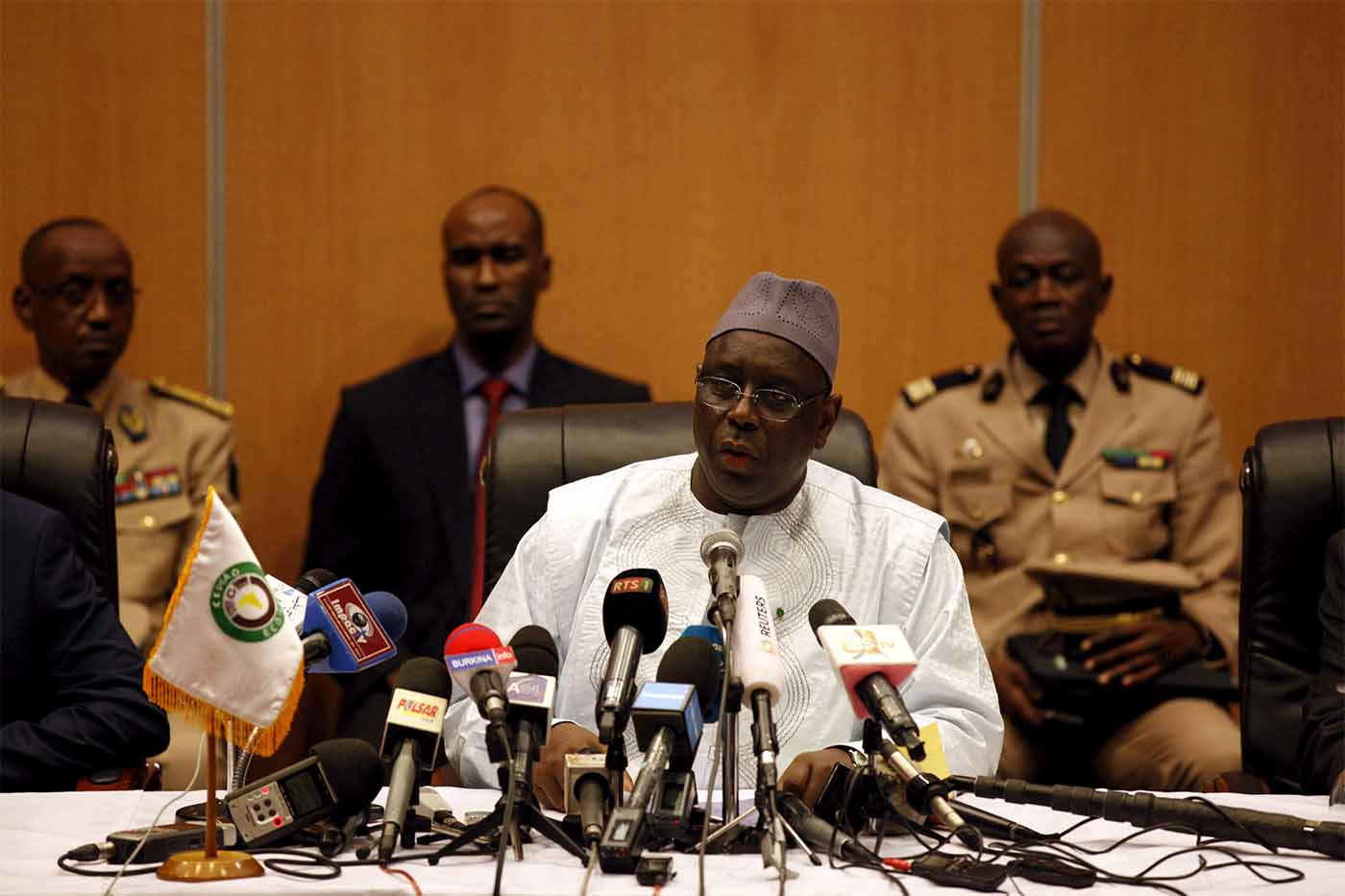
Sall has succeeded in establishing himself as a candidate who is not rejected continentally
Did the African Union truly object to Macky Sall’s nomination to succeed Guterres?
The African majority, through its silence or positive neutrality, has placed Macky Sall in an advanced position, while the opposition remained limited in number and volatile in stance.
Thursday 09/04/2026
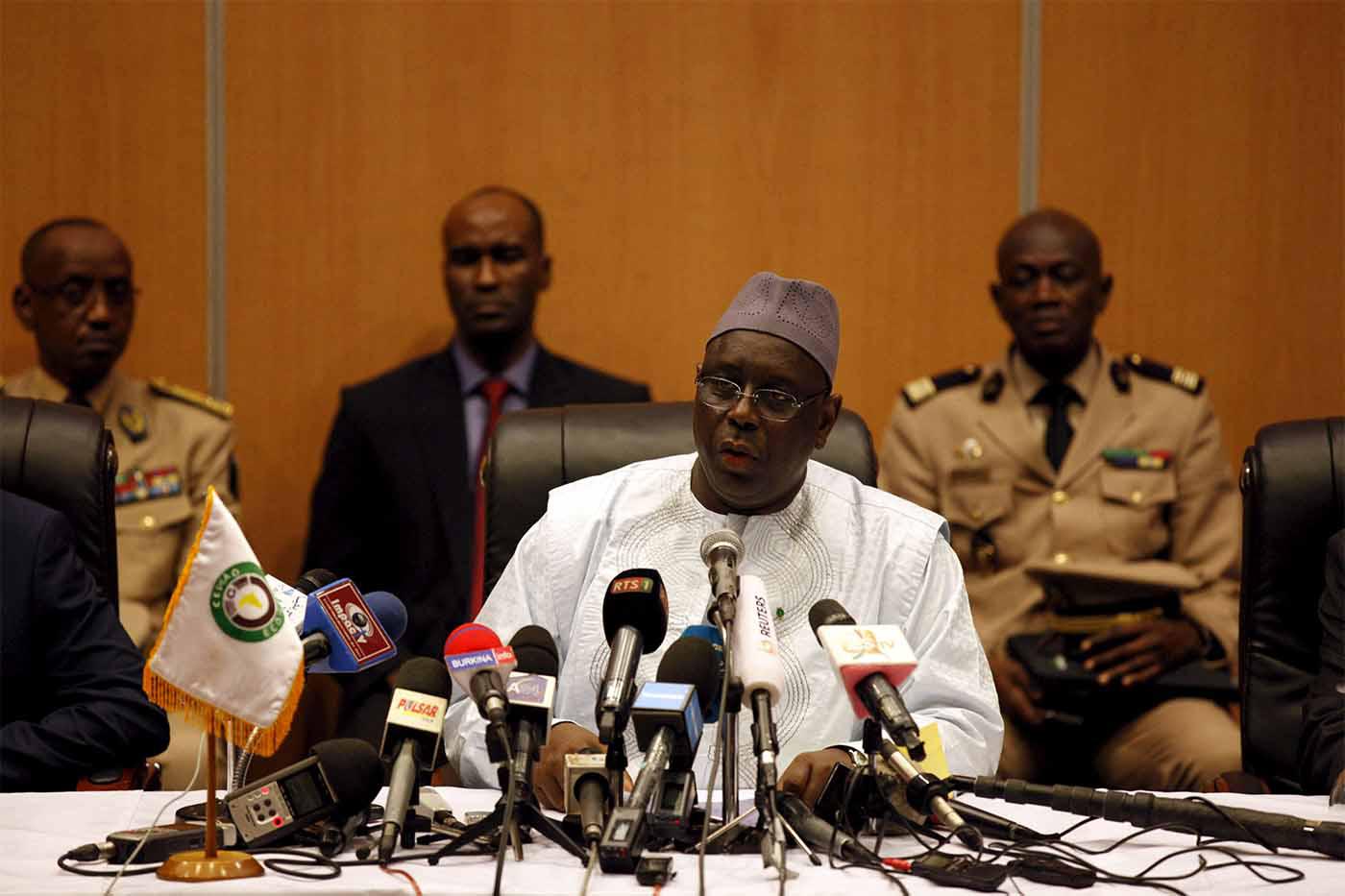
Sall has succeeded in establishing himself as a candidate who is not rejected continentally
Amidst the controversy surrounding the nomination of former Senegalese President Macky Sall for the position of UN Secretary-General—succeeding Portugal’s António Guterres—two contradictory narratives have emerged. One speaks of a stumble within the African Union (AU), while the other views the recent events as an indicator of strong progress.
However, a careful reading of the numbers and the evolution of positions reveals that what occurred was closer to a landslide victory that was poorly marketed, rather than a political failure.
The Reality of the Numbers
In fact, the number of countries that explicitly opposed the nomination project for Macky Sall does not exceed 13—a limited figure within a continental organization comprising 54 states. As for the other five countries presented as part of the "opposition camp," they did not actually object to the nomination. Instead, they requested additional time for a final decision—a common diplomatic stance in sensitive matters that reflects hesitation rather than rejection.
More importantly, this camp was not stable. Two prominent countries, Egypt and Liberia, quickly adjusted their positions. Cairo withdrew its request for an extension, while Liberia retracted its objection. This development reveals that the so-called "opposition front" was, in reality, a temporary bloc prone to fragmentation rather than a solid political alignment.
Objections Over Form, Not Substance
If we attempt to eavesdrop on what is happening behind closed diplomatic doors, we discover that most of the 13 objecting countries did so for purely formal reasons. Some criticized a "lack of consultation" before the candidacy was announced. Consequently, they are defending their diplomatic pride—a position that can be overcome by "involving" them in subsequent stages, as the objection is not to the person or the idea, but rather to the methodology.
On the other hand, the core data remains clear: 35 African countries did not object to the draft resolution. Within the context of the African Union, this number cannot be treated as mere "silence." Rather, it is an expression of broad acceptance for a candidate who does not provoke collective rejection. When states are against a candidate, they express it clearly, as the 13 countries did. Refraining from objecting reflects, for the most part, a tacit readiness to proceed with a consensus, or at least a lack of desire to obstruct the process.
The Paradox of the "Silence Procedure"
Here lies the paradox that characterized this file: the weight of the countries that broke the "silence procedure" was exaggerated and portrayed as a front of resistance. In contrast, the numerical and political reality indicates the opposite. The African majority, through its silence or positive neutrality, has placed Macky Sall in an advanced position, while the opposition remained limited in number and volatile in stance.
Crucially, this controversy, despite its momentum, does not decide the real battle. The selection of the UN Secretary-General does not take place within the African Union, but in the UN Security Council, where the actual balance of power is determined. In this framework, the countries that opposed the project within the AU do not possess decisive weight in the final decision, as their ranks do not include permanent members of the Security Council—the primary players in this process.
Conclusion: A Silent Victory
In other words, the influence of these countries remains limited on the international level compared to the major balances that will determine the fate of the nomination in New York. This strengthens the position of President Macky Sall, who benefits from a broad African base that has not objected, without facing an international front capable of obstructing his path.
What happened within the African Union can therefore be understood as a transitional phase between "broad acceptance" and "declared support." President Sall has succeeded in establishing himself as a candidate who is not rejected continentally—a fundamental requirement for any international candidacy—even if he has not yet reached the level of formal consensus.
Ultimately, breaking the "silence procedure" does not reflect a political loss so much as a flaw in reading the results. The numbers clearly lean in President Sall's favor, the opposition remains limited, and the final decision remains outside the African framework. Between these facts, his candidacy emerges today as a silent victory gradually approaching a complete international resolution.