
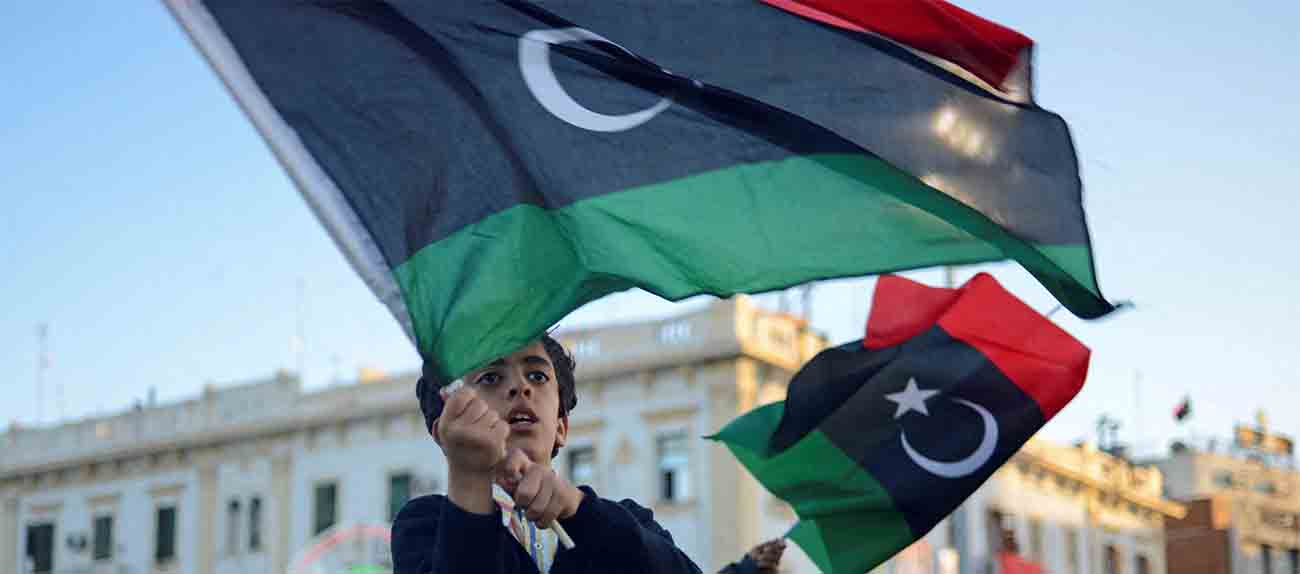
The unification of the budget represents significant progress, but it remains fragile
A unified Libyan budget under the pressure of the Gulf war
This development comes amid international pressure reflecting a growing interest in Libya's stability, given its links to energy security and migration.
Friday 24/04/2026
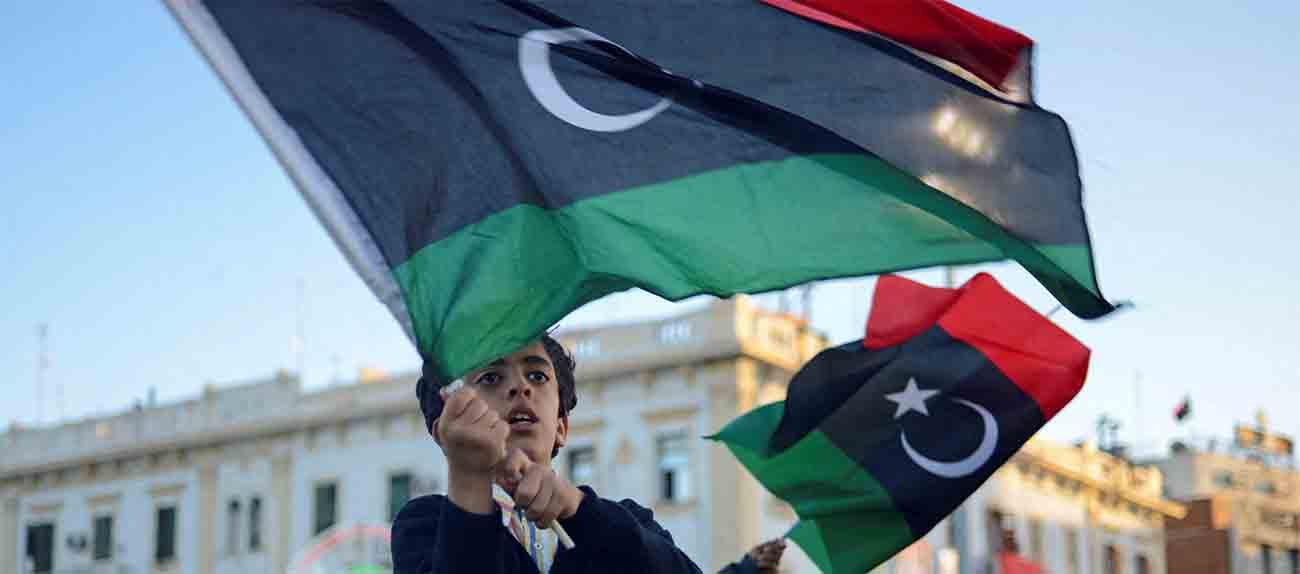
The unification of the budget represents significant progress, but it remains fragile
In light of the worsening global energy crisis—a direct consequence of the ongoing war between the United States and Iran—the approval of the first unified budget between the authorities in eastern and western Libya on April 11 represents a relative turning point for a country plagued by political and financial division since 2014. This budget marks the first genuine financial coordination since 2013 and a preliminary step toward unifying economic institutions, easing the rift between rival governments, and strengthening the Central Bank's role as a unified entity.
The agreed-upon budget is estimated at approximately $30 billion. It covers public sector salaries, subsidies for goods and services, and the financing of development projects, in addition to supporting the National Oil Corporation (NOC). This budget is expected to contribute to the stability of the Libyan dinar, improve purchasing power, and encourage investment.
Given that the Libyan economy relies on oil for more than 95% of its revenue, allocating funding to increase production is a decisive factor in boosting income and easing tensions surrounding the distribution of wealth. However, these positive indicators do not erase persistent financial imbalances, such as high inflation, weak oversight, and the depreciation of the dinar in the parallel market, all of which reflect the fragility of the economic infrastructure.
Although the agreement was reached between the House of Representatives in the East and the High Council of State in the West, it remains a limited rapprochement. It does not yet amount to a comprehensive settlement, a unification of the government, or an end to the political conflict. As emphasized by the United Nations, Libya still suffers from the presence of two competing governments and divided military influence, making this agreement merely the first step in a much longer journey toward stability.
This development comes amid international pressure reflecting a growing interest in Libya's stability, given its links to energy security and migration. Nevertheless, fundamental challenges remain, most notably the ability to implement the budget transparently, curb corruption, and overcome disputes over spending distribution—factors that have long turned budgets into tools of conflict. This is compounded by a fragile security situation marked by the proliferation of militias, the absence of a unified army, and a crisis of legitimacy resulting from years of postponed elections.
In this context, five scenarios for the outcome of the unified budget can be envisioned:
Optimistic Scenario: Success in implementation without clashes, improved management of oil revenues, and an agreement to hold elections within a year or two. This would lead to the gradual unification of institutions, a decline in the role of militias, relative economic and service improvements, and the return of foreign investment.
The Most Likely Scenario: Continued financial coordination without a comprehensive political solution. This would involve maintaining the military balance of power, partial implementation of the budget, and continued postponement of elections, resulting in fragile stability, persistent corruption, and limited economic growth.
Pessimistic Scenario: Failure to implement the budget and escalating disputes over oil revenues. Increased foreign interference could lead to production disruptions and the closure of oil ports, potentially sparking a return to armed confrontations, economic collapse, and a worsening humanitarian crisis.
Implicit Acceptance Scenario: Internal and external actors accept the continued division while managing oil resources jointly. Two competing governments would remain, leading to relative security stability without the formation of a unified state, resulting in a divided rentier economy.
"No Solution" Scenario: The most pessimistic outlook, where the status quo continues for years without any genuine settlement.
Throughout his 42-year reign, Colonel Muammar Gaddafi held the conviction that he could change the world. He began by attempting to change Libya, moved toward grand unionist projects, and eventually developed global ambitions to fight colonialism, imperialism, and Zionism. However, these projects led to his tragic fate, leaving Libya in an open-ended labyrinth of successive crises.
Currently, Field Marshal Khalifa Haftar seeks to consolidate military influence in the east, with signs of a move toward "familial empowerment" within the military establishment. This is evidenced by the promotion of his sons, Saddam and Khaled, to high-ranking leadership positions, while roles and influence have been distributed among his other sons, some of whom are active in the economy and reconstruction efforts. Many observers of Libyan affairs harbor concerns about a more complex scenario facing the east in the post-Haftar era, especially amid reports of potential tensions between his sons.
On the other hand, the Government of National Unity (GNU), headed by Abdul Hamid Dbeibah, represents the de facto authority in the west. It remains one of the most complex elements of the current scene, combining international legitimacy with internal fragility. It is not a truly unified government, particularly after the House of Representatives in the east withdrew its confidence years ago, leading some parties to describe it as an "expired mandate" government.
In conclusion, the unification of the budget represents significant progress, but it remains fragile. It is a technical-economic step that may open a window toward a degree of stability, but it does not address the core of the Libyan crisis, which remains primarily political and security-based.