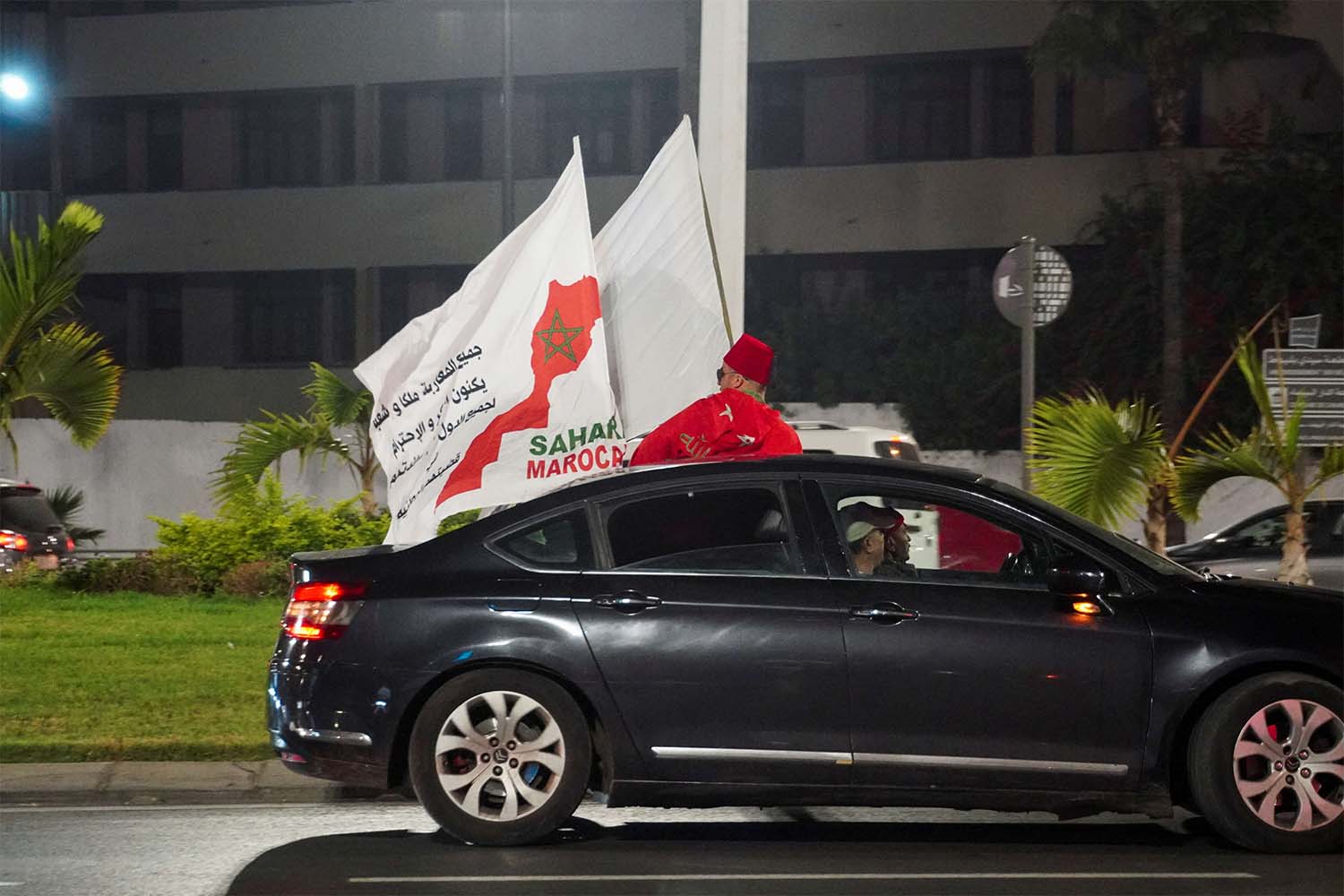
"The Sahara is Moroccan, and Morocco will remain in its Sahara until the end of time"
The truth and history in the case of Western Sahara
When Morocco led its diplomacy with deep intellectual and human insight, it drew strength not only from the legitimacy of the right but also from a historical reality known to all peoples and states that struggled for their independence and territorial unity.
Monday 01/12/2025
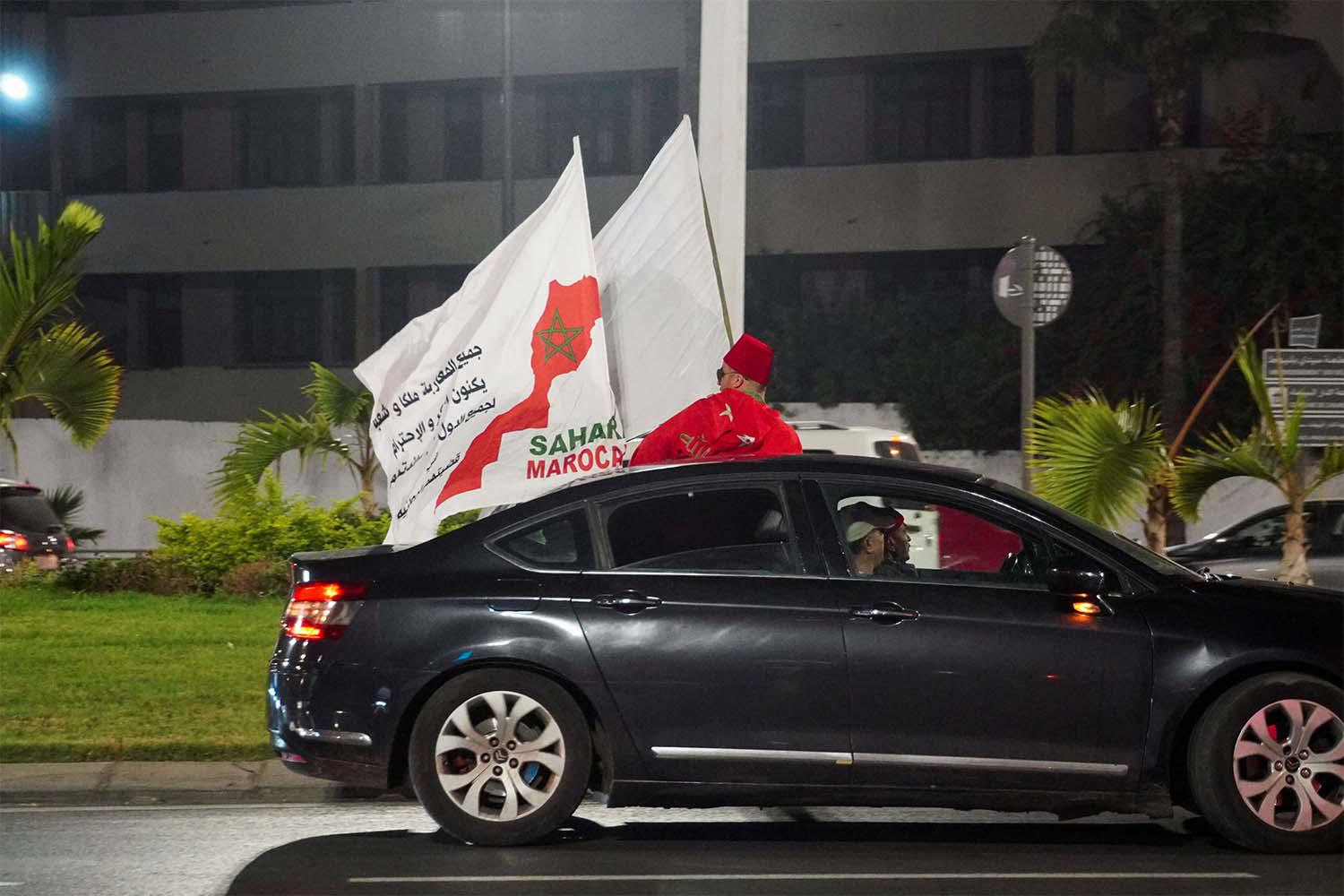
"The Sahara is Moroccan, and Morocco will remain in its Sahara until the end of time"
The Moroccan state has, over the last two decades, acted with a very precise diplomatic approach based on calm, long-term vision, and the clear use of all available legal and diplomatic means in defense of the Moroccan Sahara issue. Like any just cause, defending it requires a well-studied strategy. Morocco initially focused on introducing the justice of its position and its historical and legitimate rights to the Moroccan Sahara despite a difficult and complex international context, until many international parties' views became clear. The natural phase then came to consolidate the right within international resolutions, the latest being United Nations Security Council Resolution 2797.
Diplomacy Led with Intellectual and Human Depth
In this context, when Morocco led its diplomacy with deep intellectual and human insight, it drew strength not only from the legitimacy of the right but also from a historical reality known to all peoples and states that struggled for their independence and territorial unity. Although colonized peoples fought for their independence—which all divine laws, charters, and international humanitarian laws guarantee—this right always needed long and painful historical processes to become a real, accomplished reality.
National rights to independence and territorial unity have clashed, and still clash, with the geopolitical interests and bets of great powers that have always monopolized the interpretation of global values and laws, essentially controlling the direction history must follow to resolve disputes over national independence claims. This has forced many countries to endure a difficult path before achieving full sovereignty, at great human cost.
Politically, within countries, conflicts abide by law, but in international relations, power prevails. Hence, strong states' interests become ends in themselves, and the realization of any state's right depends on the fluctuations of great powers' geopolitical stakes. Every nation defines its interests based on its unique cultural and value perspective, yet the culture and values of powerful states present themselves as the era's culture, making their interests appear self-evident and beyond criticism.
Reconciling Nationalism and History
Rising and developing countries must exert extra efforts to understand their distinct interests and then realize these within the constantly shifting complex geopolitical environment.
This reality, dominated by power politics in international relations, means the relationship between the concepts of universality and nationalism can sometimes be conciliatory, tense, or even confrontational.
If nationalism is based on distinct interests, and universality represents history shaped by a particular rational understanding of human progress, then harmonizing the two is more dependent on international power balances than on universal logic or principles. The so-called universal history is precisely the interest of prevailing powers cloaked as universal human culture and values.
Great powers have historically resolved the contradiction by making their national interest humanity's interest, appointing themselves as the sole representatives of universality.
Morocco’s case with the Sahara issue deeply reflects the interaction of universal history and nationalism. The national imperative Morocco sees as a right in completing its territorial unity and sovereignty over the historical homeland from Tangier to Laayoune found its place in modern history only after strategic patience, tactical political intelligence, and the rising strength of national culture.
Historical examples like Bismarck's Germany and later the People's Republic of China show that states succeeded when convincing the world their national interests aligned with universality and their national culture was the path to modernity.
Morocco today is a new model of such success. Its unwavering stance on the Moroccan Sahara as a non-negotiable national interest, deeply rooted in history and national culture, enabled it to gain continental and global recognition despite challenges from shifting concepts of universality oscillating between Western-centric narrowness and openness to different cultures and values.
Building Power on Culture
Greatness stems from building power based on culture, as culture and political power are closely intertwined. Power is not just economic output or military strength but also the socio-cultural integration of society and state around a unified culture that rationalizes national interest and convinces the world that cultural specificity is the true gateway to global participation and human values.
In Morocco, the national interest is reinforced by a culture centered on Islam, which recognizes the pledge of allegiance as a social contract reflecting the consensus of all components on the legitimacy of the king as Commander of the Faithful, head of state, and a cultural symbol of society’s unity.
Colonial powers' manipulation of African borders resulted in pockets of land being held by colonizers to weaken and extort emergent national states for geopolitical aims. Some regional expansionist powers exploited the restoration of these lands to create disputes like the Moroccan Sahara issue.
National Culture as an Open Dynamic to the Future
Morocco’s success in gaining recognition for its claim to the Sahara region, both in Africa and globally, stems from a fundamental strategy of showcasing national culture as an open, future-oriented dynamic capable of integration and development aligned with universality.
This strategy is built on two pillars: the autonomy initiative as a democratic solution to the Sahara conflict, and socioeconomic development as the basis for social integration.
Morocco officially presented the autonomy plan for the Sahara regions to the UN Secretary-General on April 11, 2007, proposing a democratic political model for resolving the dispute while granting local elites broad authority in governance under national unity.
The autonomy plan respects international standards and grants the Saharan population the right to elect their regional government head and constitutional guarantees for self-governance.
The plan reflects Morocco’s democratic and participatory approach, addressing citizens’ aspirations in the southern provinces. Any local political or regional elite committed to democracy and development would embrace turning this proposal into a living reality ending the artificial regional conflict.
Successes Rooted in Socioeconomic Integration
Morocco’s diplomatic success in convincing major world countries of its Sahara sovereignty is also linked to real progress in public reforms across justice, economic initiative, social support, healthcare, education, especially for rural girls — all fostering inclusive social integration.
Social and economic integration efforts give Moroccan diplomacy the strength to achieve Sahara recognition as no external power is influential without economic and social foundations inside.
Morocco’s achievements in the Sahara file come from blending traditional legitimacy with modern development, establishing a new legitimacy based on economic progress and social advancement.
The Power of National Culture Embodying Modernity
Hence, Morocco’s right in its Sahara is clear and obvious but requires combined societal and state efforts to be inscribed in history symbolizing national culture embodying modernity — the global spirit of this era—in a unique Moroccan form.
The world sees that Morocco asserts its territorial unity via serious realistic policies, noble dialogue based on listening and deep understanding, embodying a peace philosophy that inspires Moroccans to live their victories with an open hand to peace and love supporters worldwide, with a refined cultural dignity rarely matched.
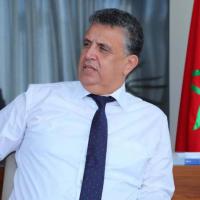
Abdellatif Ouahbi is Morocco’s Justice Minister, a lawyer and politician
This article was first published in Elaph
The views expressed are solely those of the author and may or may not reflect those of Middle East Online