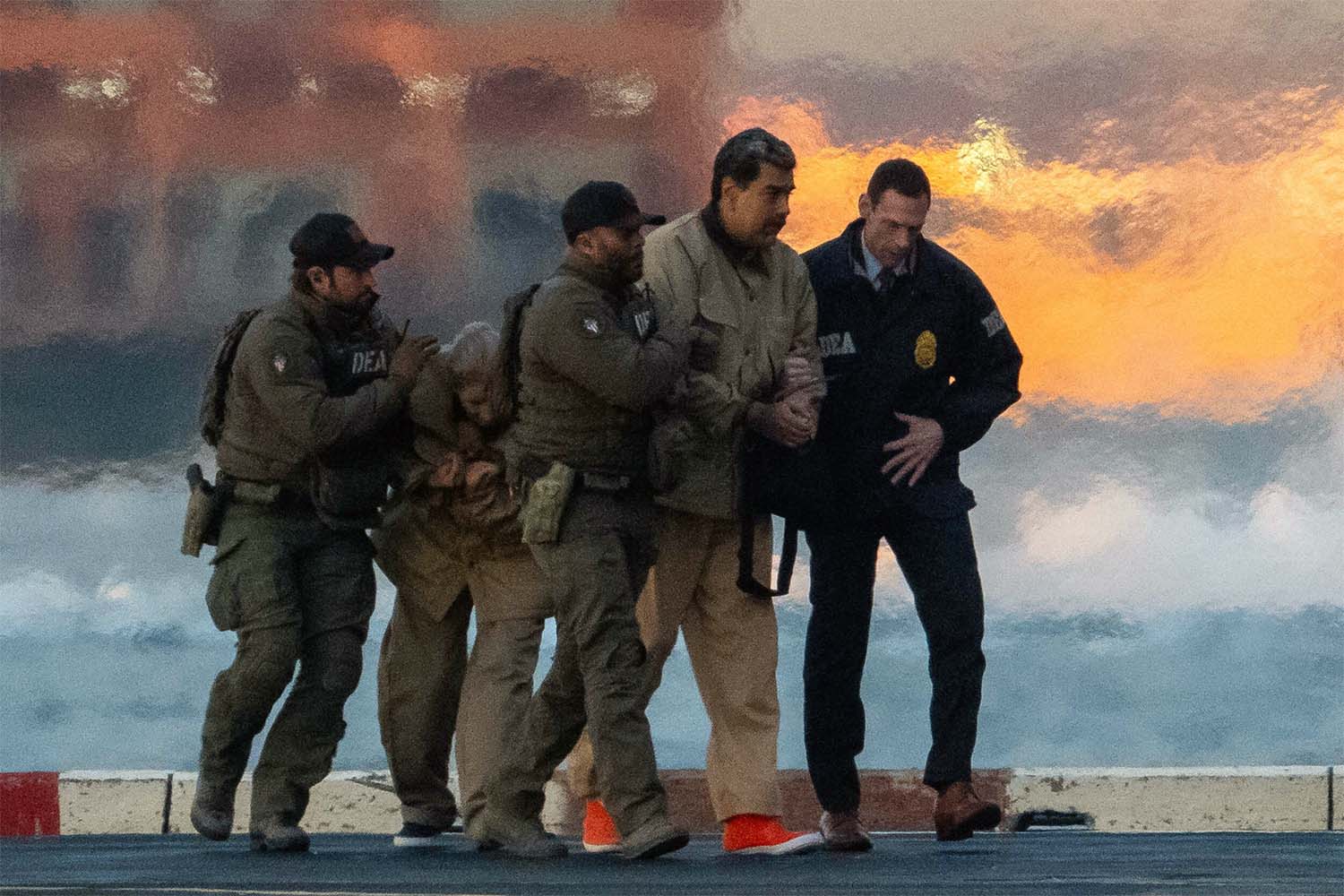
Maduro is facing US federal charges including narco-terrorism, conspiracy, drug trafficking, money laundering and others
Venezuela and the curse of the Sahara
The lesson drawn from what happened in Venezuela is that engaging in hostile foreign policies based on exporting crises and supporting separatist tendencies does not grant states permanent influence, nor protect them from internal collapse.
Tuesday 06/01/2026
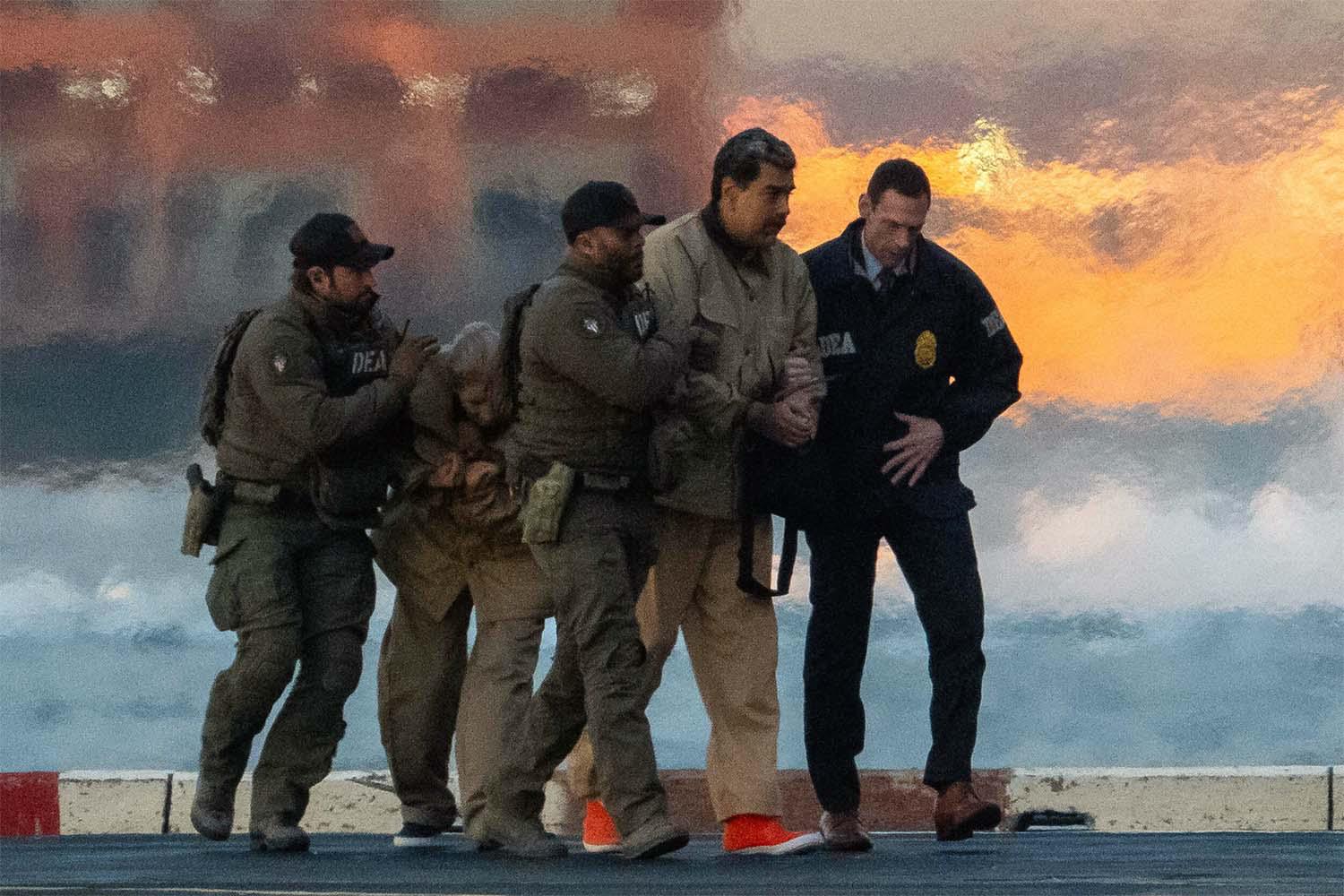
Maduro is facing US federal charges including narco-terrorism, conspiracy, drug trafficking, money laundering and others
Despite being about 7,400 kilometers away from Morocco, this Latin American country has not hesitated to stick its nose into "Morocco's tagine," challenge Rabat over its territorial integrity, and support the Polisario Front separatists backed by Algeria.
Last Saturday was a historic day in the land of Simón Bolívar, leader of the war of liberation from Spanish colonialism, after US Army Delta Force - the military's premier counter‑terrorism unit - carried out a lightning operation in which President Nicolás Maduro was arrested and transported, along with his wife, to New York for trial on criminal charges.
Maduro has ruled Venezuela since 2013, following the death of President Hugo Chávez, known for his hostility toward Washington and strong alliance with Iran and Russia, as well as support for anything smelling of separatism. Nicolás Maduro followed the same path, plunging the country into a suffocating crisis characterized by economic collapse, unprecedented inflation, acute shortages of food and medicine, the exodus of millions of Venezuelans abroad, alongside international sanctions, internal political conflict, and global skepticism about the legitimacy of elections.
The situation in Venezuela oscillated between blatant contradictions until "Saturday's incident." From liberation to sinking into the sea of dictatorship, from oil wealth to falling into deep crises. Oil, which was a major source of strength for the country, was simultaneously one of the reasons for its fragility.
After ten years of Chávez's rise to power, and due to his foreign policy orientation toward alliance with states adopting an anti‑Western discourse and immersion in supporting separatist movements in Africa and Latin America, Rabat severed diplomatic relations with Caracas in 2009 due to its political and diplomatic support for the Polisario Front separatists in international forums - a course continued under Maduro.
Despite the tension overshadowing Moroccan‑Venezuelan relations, the latter saw some attempts at de‑escalation; Caracas tried indirect diplomatic contacts, but Rabat was not enthusiastic about restoring a relationship that disregarded its national territorial unity. This had repercussions on economic relations between the two countries, which became virtually non‑existent.
While Morocco chose a policy of diplomatic calm with Venezuela and avoided media confrontations, it thereby bet on time as the only factor capable of restoring matters to their proper course.
What happened in Venezuela appears as the "Curse of the Sahara" that struck this country, though many observers consider it the outcome of a major international deal within what is called the "Second Yalta," aimed primarily at encircling China. This is becoming clear in several regions of the world, starting with "Somaliland," through turmoil in Yemen and its repercussions on the Gulf region, escalating protests in Iran, developments in Ukraine, and more to come.
Has Algeria understood the "message of Maduro's arrest," especially since what happened will make it feel orphaned, as it loses supporters of its separatist thesis day after day? And will it ultimately deal positively with statements by Steve Witkoff, US President Donald Trump's special envoy for Middle East affairs, made in October 2025 about the possibility of reaching a peace agreement between it and Morocco within 60 days from that date, through negotiations supported by Washington in cooperation with the United Nations - especially since the deadline expired last December?
The lesson drawn from what happened in Venezuela is that engaging in hostile foreign policies based on exporting crises and supporting separatist tendencies does not grant states permanent influence, nor protect them from internal collapse. Therefore, it was inevitable to draw the curtain on the Chávez–Maduro project, which invested in oil and ideological slogans as well, and ended in suffocating isolation and deep institutional collapse that pushed the country to the brink of the abyss.
Algeria must realize that international transformations do not spare rigid policies, and that the opportunity may be ripe for reviewing calculations before it is too late, and engaging in a realistic approach that prioritizes dialogue and stability over attrition bets and open confrontation.
Hatim Betioui is a London-based journalist and Secretary General of the Assilah Forum Foundation.
This article first appeared on Elaph
The views and opinions expressed in this article are those of the author and do not necessarily reflect the position of Middle East Online