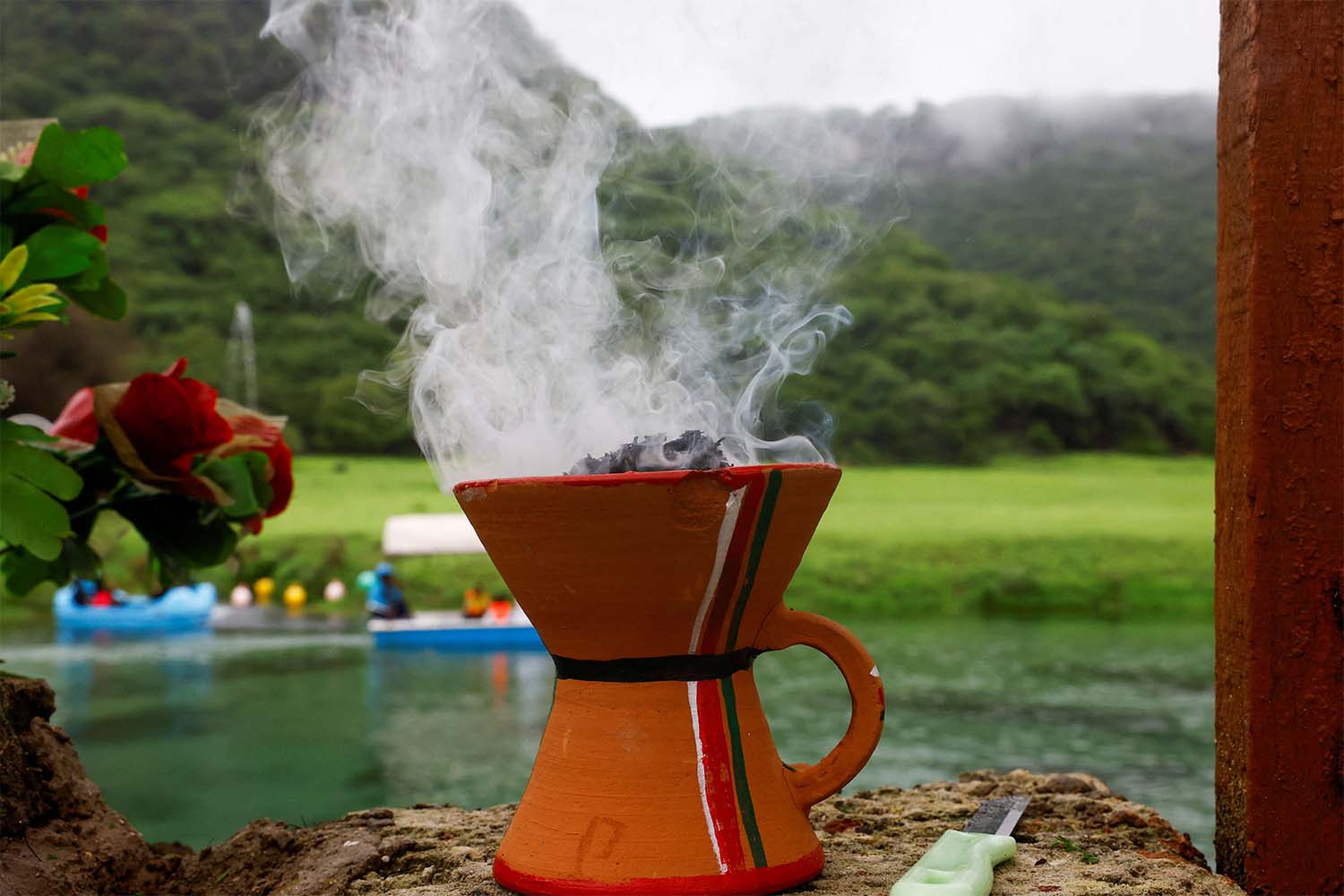
The Sultanate of Oman has its own distinct political, cultural, and social climate
Sultanate of Oman and the choice of culture as soft power
From building national identity and entrenching values of coexistence and openness during Sultan Qaboos's era, to employing culture as soft power and a productive sector within a future vision during Sultan Haitham's era, culture in Oman – as the memory of nations – has remained a strategic act, not mere consumer discourse.
Monday 29/12/2025
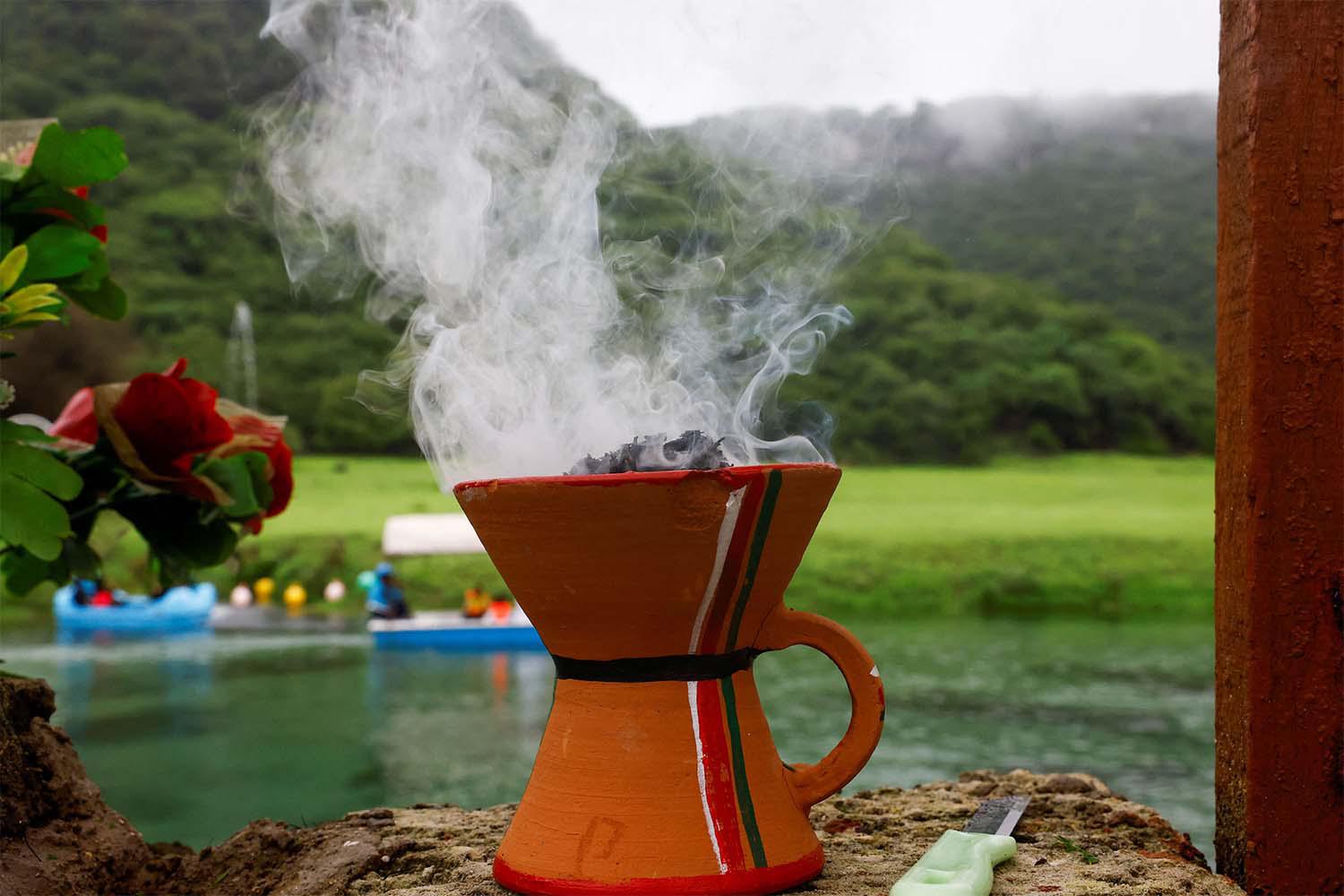
The Sultanate of Oman has its own distinct political, cultural, and social climate
Visiting Muscat last week for the first time filled me with deep psychological comfort and a sense of calm and tranquility from the moment I set foot in its new airport, which opened in November 2019. I soon realized that this feeling is almost a common denominator among most visitors to the Omani capital.
Since 1996, I have frequently visited the Gulf region; I have been to the United Arab Emirates, Kuwait, and Bahrain multiple times, and finally had the opportunity to visit the Sultanate of Oman to receive the Sultan Qaboos Prize for Culture, Arts, and Letters – Private Cultural Institutions category – as Secretary-General of the Assilah Forum Foundation. Only Qatar remains to complete my visits to the Gulf Arab region.
While each Gulf country has its own characteristics and strengths, the Sultanate of Oman has its own distinct political, cultural, and social climate. The country is one of the oldest political and civilizational entities on the Arabian Peninsula, with a history spanning thousands of years, successively influenced by Sumerian, Akkadian, and Persian civilizations. Despite these influences, Omanis have preserved their cultural distinctiveness.
Sultan Qaboos bin Said, a descendant of the Al Busaidi dynasty that has ruled the country since 1744, was a great lover of culture in all its fields. During his reign, the modern Omani renaissance began, the country was unified, modern state institutions were built, and it opened up to the world after periods of isolation and internal conflicts.
It is no secret that culture during Sultan Qaboos's era formed one of the main pillars of building the modern state, not merely a decorative element or secondary sector, but a strategic tool for entrenching national identity, strengthening social cohesion, and building a balanced international image for the Sultanate.
Sultan Qaboos was convinced that building the state could not be complete without reviving historical and cultural memory, especially in a geographically and sectarianly diverse society. Therefore, he established an institutional structure for culture by creating the Ministry of Heritage and Culture, which later became the Ministry of Culture, Sports, and Youth, supporting cultural, literary, and artistic associations across the country's governorates, in addition to preserving tangible and intangible heritage through registering Omani sites on UNESCO's World Heritage List, caring for Omani manuscripts, restoring forts and castles, and supporting folk arts.
The Royal Opera House in Muscat, opened in 2011, and before it the formation of the Classic Symphony Orchestra in 1985, remain witnesses to the Sultan's passion for the arts and one of the most prominent manifestations of employing culture as soft power in Omani policy. Their role went beyond pure artistic performance to become a civilizational mediator reflecting Oman's openness and balance, translating its vision based on dialogue and coexistence, while contributing to enhancing Oman's mental image as a country that believes culture is a universal language transcending political differences.
It is no secret to those following Omani affairs that the current Sultan Haitham bin Tariq served as Minister of Heritage and Culture for 18 years before assuming the reins of power in January 2020.
Sultan Haitham’s modern vision considers culture an economic resource and essential element in creative industries, in addition to being an important tributary for cultural tourism, as clearly manifested in Oman Vision 2040.
Sultan Haitham's passion for culture and deep belief in its role in achieving sustainable development led him to appoint his eldest son, Theyazin, as Minister of Culture, Sports, and Youth – a clear indicator of culture's status and importance in the Sultanate's governance system. Therefore, it was no surprise that, upon assuming power, he restructured the cultural sector, integrated culture into sustainable development policies, empowered youth and creators through supporting emerging cultural projects, and developed cultural events and festivals.
The Omani experience has, through its historical and modern trajectory, proven that culture is not an intellectual luxury or marginal sector, but the essence of the state project and a fundamental lever for stability and development. From building national identity and entrenching values of coexistence and openness during Sultan Qaboos's era, to employing culture as soft power and a productive sector within a future vision during Sultan Haitham's era, culture in Oman – as the memory of nations – has remained a strategic act, not mere consumer discourse. And as the saying goes: "He who does not possess culture has no future."
Hatim Betioui is a London-based journalist and Secretary General of the Assilah Forum Foundation.
The views and opinions expressed in this article are those of the author and do not necessarily reflect the position of Middle East Online