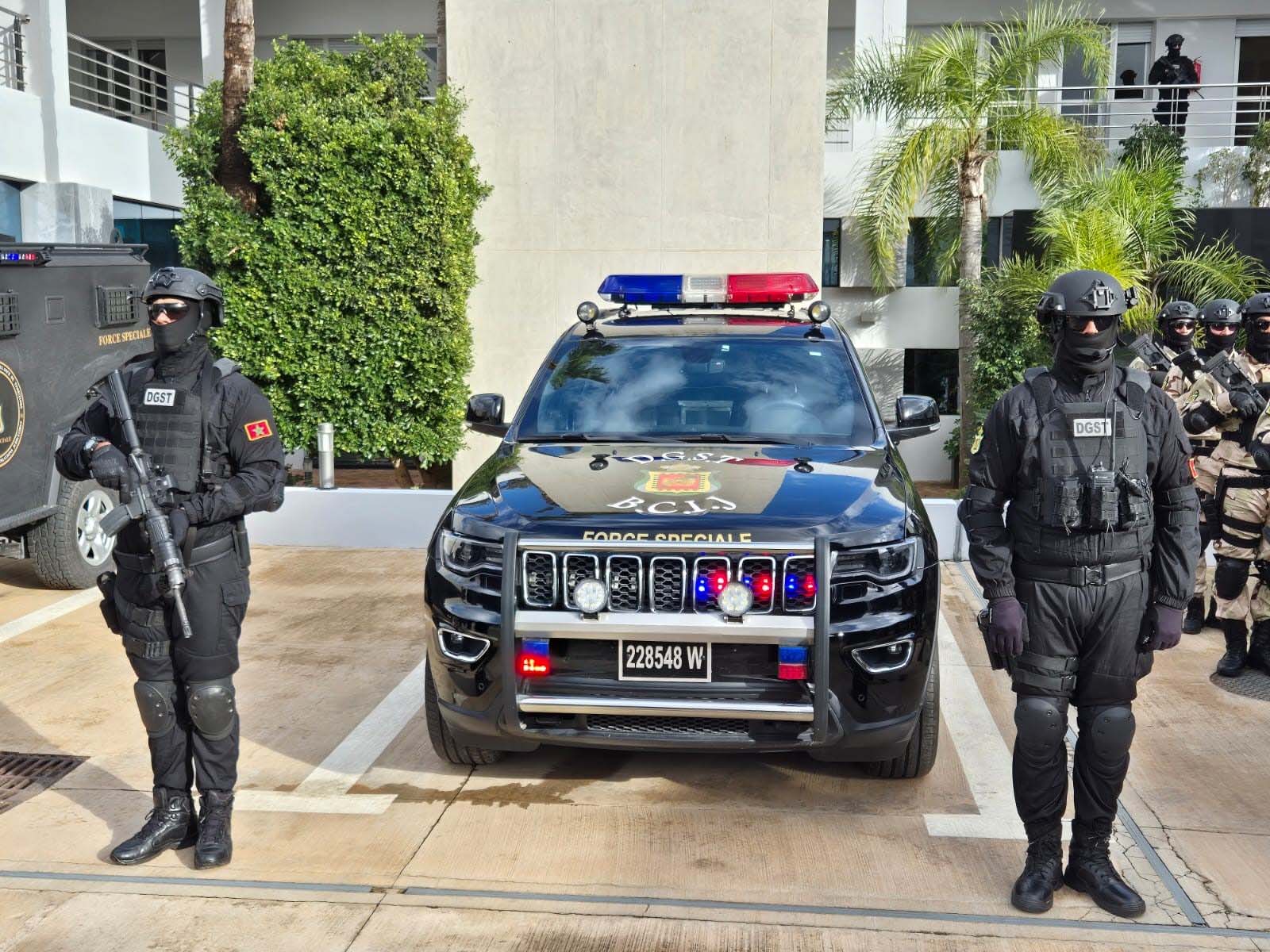
The BCIJ has effectively turned Morocco into a "security service provider" for the West
Morocco: The silent sentinel of global security
No longer just a regional power, Morocco’s security services have become a primary source of intelligence and proactive intervention for European capitals and African nations alike.
Monday 02/02/2026
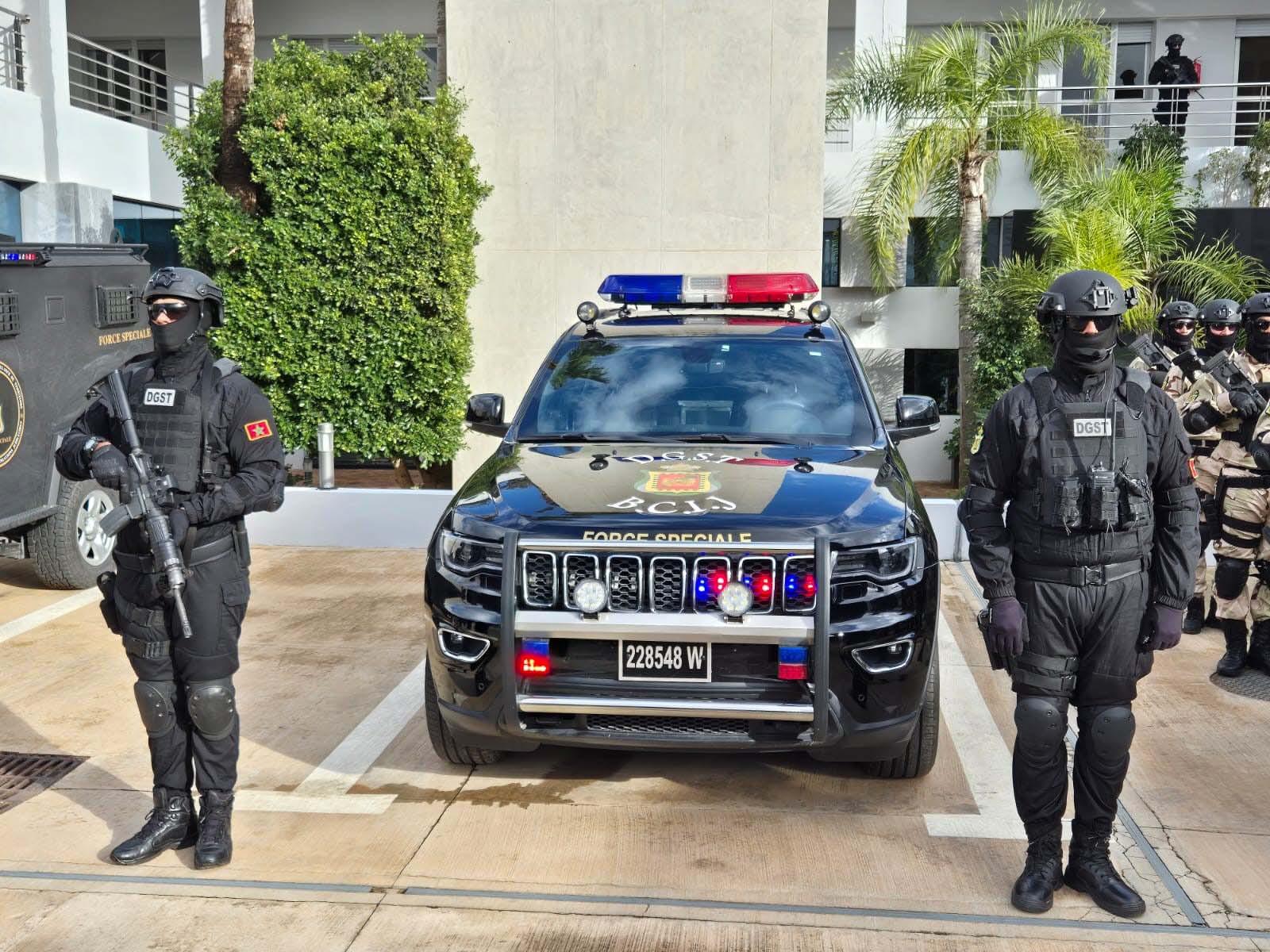
The BCIJ has effectively turned Morocco into a "security service provider" for the West
In recent years, the North African Kingdom of Morocco has emerged as a central pillar in the international architecture of counter-terrorism. No longer just a regional power, Morocco’s security services have become a primary source of intelligence and proactive intervention for European capitals and African nations alike. The effectiveness of the Moroccan "security model" is increasingly recognized as a decisive factor in maintaining global stability.
The Austrian Success: A Case Study in Cooperation
The most recent demonstration of Morocco's international reach occurred in January 2026, when Moroccan intelligence played a pivotal role in helping Austrian authorities foil a major terrorist plot. The operation resulted in the arrest of an Austrian citizen linked to the terrorist organization "ISIS" who was allegedly planning large-scale attacks against security forces.
Vienna officially credited the General Directorate of Territorial Surveillance (DGST) of Morocco for providing "decisive" intelligence that allowed investigators to identify the suspect and gather evidence of his extremist intentions. This coordination accelerated the investigation, uncovering digital propaganda and video recordings of the suspect pledging allegiance to ISIS.
A Record of Proactive Success
The Moroccan security strategy is built on a foundation of proactivity. Rather than reacting to events, the Kingdom’s agencies focus on dismantling threats at the planning stage. This approach has yielded significant domestic and international results.
Since 2002, Moroccan security services have successfully dismantled more than 200 terrorist cells. Following the 2003 Counter-Terrorism Law, Morocco expanded its ability to criminalize extremist intentions and links to terrorist projects, allowing for early intervention.
The BCIJ: From Intelligence to Prosecution
To understand the recent security successes in Austria and across Europe, one must look at the "engine room" of Morocco’s counter-terrorism strategy: the Central Bureau of Judicial Investigations (BCIJ).
Often referred to as the "Moroccan FBI," the BCIJ represents a unique evolution in global security—a hybrid agency that merges the shadowy world of intelligence with the transparent requirements of the judicial system.
For decades, the General Directorate of Territorial Surveillance (DGST) operated primarily as a domestic intelligence agency (the "eyes and ears" of the state). However, the global shift in terrorist tactics after the 2003 Casablanca bombings and the 2011 Marrakesh attack necessitated a more agile legal instrument.
In 2015, the BCIJ was born. It was created to bridge the gap between intelligence gathering and legal action. Before the BCIJ, intelligence officers often had to hand off cases to standard police units, potentially losing "intelligence steam" or legal precision. By housing the BCIJ within the DGST, Morocco created a "one-stop shop" for counter-terrorism:
- Intelligence: The DGST identifies the threat.
- Action: The BCIJ (endowed with judicial police status) conducts the raids and arrests.
- Legal: The BCIJ works directly under the supervision of the Public Prosecutor to ensure every piece of evidence is trial-ready.
The “Moroccan FBI” nickname isn't just for show. Like the American Federal Bureau of Investigation, the BCIJ has national jurisdiction and a mandate that covers the most complex threats to the state:
- Counter-Terrorism: Its primary "War on Terror" mission.
- Organized Crime: Dismantling international drug cartels and human trafficking rings.
- Cyber-Intelligence: Monitoring the "Dark Web" and social media for recruitment and radicalization efforts.
The Doctrine of "Preemptive Strikes"
The BCIJ’s role in the "War on Terror" is defined by a doctrine of proactivity. In the BCIJ’s philosophy, waiting for a terrorist plot to reach the "ready" stage is a failure.
Instead, they use a massive network of human intelligence (HUMINT) and signal intelligence (SIGINT) to dismantle cells while they are still in the ideological or logistical phase. As of early 2026, the BCIJ has dismantled hundreds of cells using this "cut the fuse before it's lit" strategy.
An Indispensable Partner Beyond Borders
Morocco’s influence extends far beyond its own territory. It is now classified as an indispensable partner for several global powers as intelligence provided by Morocco’s intelligence agencies has been instrumental in thwarting imminent attacks in Spain, Belgium, France, Germany, and Italy.
The BCIJ has effectively turned Morocco into a "security service provider" for the West. Its role in the "War on Terror" is now indispensable to several global partners.
The Technological and Strategic Edge
Morocco's success is not accidental; it is the result of significant investment in modern technology and human resources. By combining traditional intelligence-gathering with advanced tracking of extremist networks in the digital space, the Kingdom has proven its ability to penetrate even the most secretive terrorist organizations.
As terrorist threats continue to transcend national borders, the "Moroccan model"—characterized by proactivity, international cooperation, and a robust legal framework—remains one of the most effective tools in the global fight against violent extremism.