

Restrictions and bans in several countries
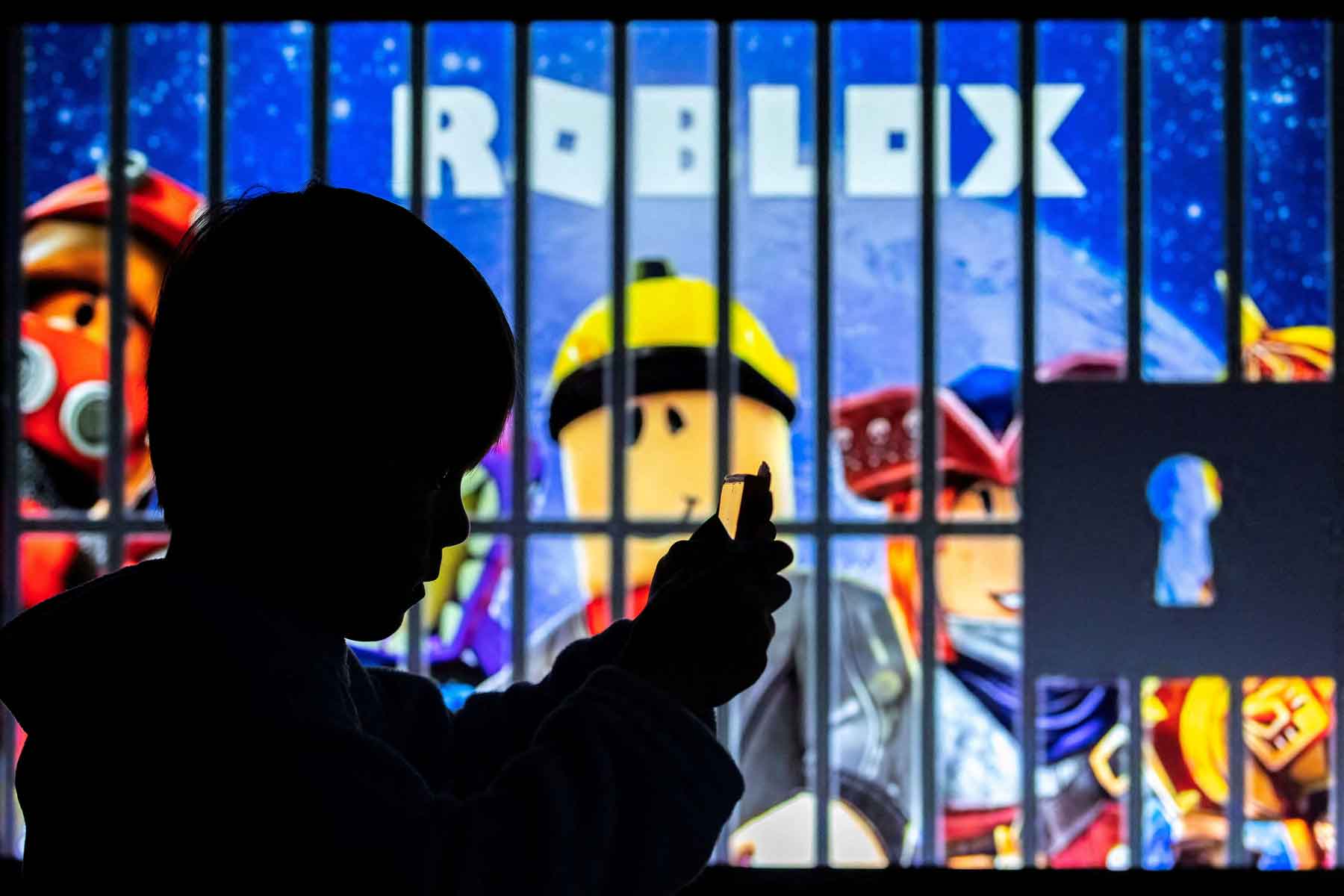
Egypt blocks Roblox platform over child safety fears, addiction risks
Roblox has already faced restrictions or bans in several countries, including China, Turkey, Russia, Qatar, Oman, Iraq and Algeria.
Thursday 05/02/2026
Restrictions and bans in several countries
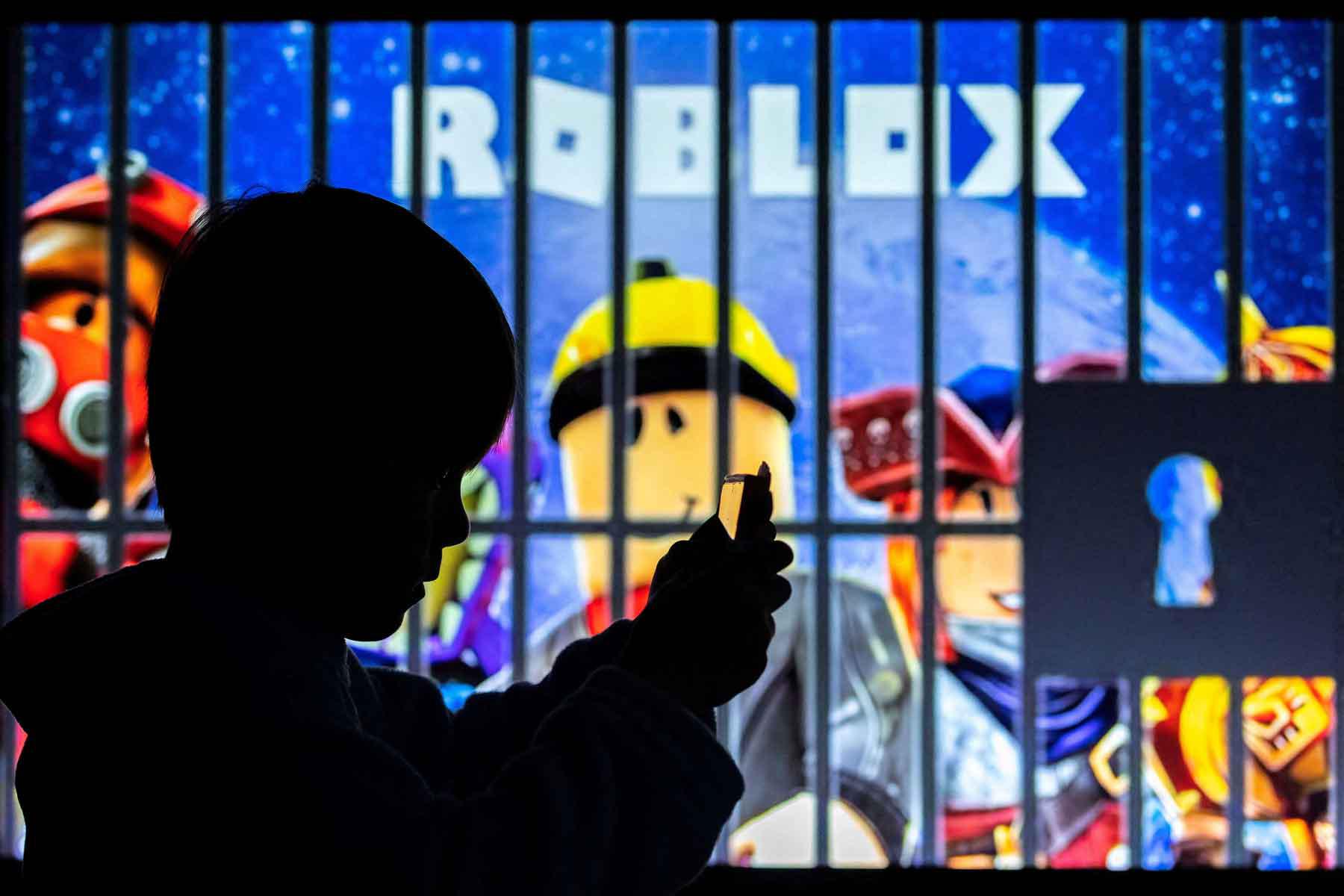
CAIRO – Egypt has joined a growing list of countries imposing bans or restrictions on the gaming platform Roblox after a formal decision on Wednesday to block access to the service, as part of broader government efforts to regulate children’s use of electronic devices through new legislation.
The decision was issued by the Supreme Council for Media Regulation, Egypt’s top media authority, marking a decisive step in a debate that specialists have raised for years without concrete action. The move comes amid mounting official concern over how to protect children in the digital sphere and signals a shift towards tighter controls on their use of smartphones, social media and online games deemed harmful.
Roblox has already faced restrictions or bans in several countries, including China, Turkey, Russia, Qatar, Oman, Iraq and Algeria.
Egyptian authorities said the decision aims to shield children from multiple risks associated with the platform, including “digital addiction and exposure to harassment or grooming through chat functions.”
Roblox responded to the decision, saying it had implemented strict safeguards that exceed those applied on many other platforms, according to Bloomberg.
The government’s action also reflects growing legislative momentum. MP Walaa Harmas had earlier proposed regulating the platform “to protect children’s moral and educational values,” citing concerns over direct communication with strangers and the “potential psychological and behavioural effects on young users,” concerns echoed by many experts.
The issue rose sharply up the political agenda after President Abdel Fattah al-Sisi called last month for specific legislation to protect children from the risks of early exposure to smartphones and screens, referring to international examples such as Australia and England, though without specifying a minimum age.
For many parents, the intervention is long overdue. Walid Yousri, a father of two children aged 12 and 14, said presidential involvement could break years of legislative inertia.
“Almost all children now have modern phones. In fact, owning the latest models has become a source of pride and boasting among them, even though we originally bought the phones so we could check on them when they were away from us, at the club, training, or visiting friends,” he said.
He added that gaming platforms and social media had gradually become children’s main leisure activity. “Unfortunately, these apps contain shocking content and catastrophic videos that even adults should not be watching,” he said.
The strength of children’s attachment to Roblox was underscored by widely shared social media footage showing emotional reactions from young users to the ban, highlighting the platform’s popularity and the scale of dependence on it.
At the legislative level, Egypt’s Senate has begun consultations with the government to clarify its policies on regulating children’s smartphone use. A joint committee comprising representatives from education, communications, health and human rights bodies has been formed to draft a new legal framework.
Senator Walid al-Tamami said during a parliamentary session this week that “swift legislative intervention is the only way to end the state of ‘electronic chaos’ and save the future of Egypt’s children from the risks of depression, blackmail and loss of identity.”
However, some technology specialists have urged caution. Information technology researcher Adham Abdel Rahman drew a distinction between children owning smartphones and their use of social media platforms.
He said ownership was primarily a family decision, while usage could be regulated through a combination of parental supervision and legal frameworks. “Even anywhere in the world, this issue cannot be controlled 100 per cent,” he said.
Abdel Rahman noted that enforcing age verification would require collecting personal data and establishing verification mechanisms, raising concerns about privacy and civil liberties. He called for a broad public debate alongside legislative drafting, stressing that effective protection would require cooperation between families, the state and major technology companies.
Minister of Parliamentary, Legal Affairs, and Political Communication Mahmoud Fawzi said the draft legislation currently under consideration includes two options: creating an independent authority dedicated to children’s digital safety or assigning the responsibility to the National Telecommunications Regulatory Authority.
Roblox, launched in 2006, had around 83 million daily active users globally in 2024 and generated $3.6 billion in revenue that year.
In Egypt, parental complaints about the platform’s impact on children’s behaviour have intensified in recent months, paving the way for Wednesday’s ban. The Supreme Council for Media Regulation, chaired by Khaled Abdel Aziz, confirmed in a statement that the decision to block Roblox would take effect “as of today,” following coordination with telecommunications regulators.
Some parents described troubling behavioural changes. Amal Sarhan said she had noticed shifts in her 13-year-old son’s conduct, including anger and the use of offensive language.
“This is the worst game I have ever seen in my life. Roblox is not just one game but a large platform with many different games branching from it. These games are out of control. They teach children to lie and steal and show them how to hide a body and how to set houses on fire ... I cannot believe there might finally be an end to all this,” she said.
Roblox maintains a strong presence across the Middle East and North Africa. Its latest economic impact report said the platform contributed $15 million to the combined GDP of Egypt, Saudi Arabia, Morocco, Qatar and the United Arab Emirates between 2021 and 2024.
The company has recently tightened age verification requirements for certain features following pressure from US prosecutors over child safety concerns, though critics say the measures remain insufficient.
Egypt’s move comes as part of a wider global trend towards stricter internet regulation, particularly concerning children. Several countries, including Australia, Spain and Denmark, have introduced or considered sweeping restrictions on minors’ access to social media, reflecting growing international concern over the impact of digital platforms on young users.