

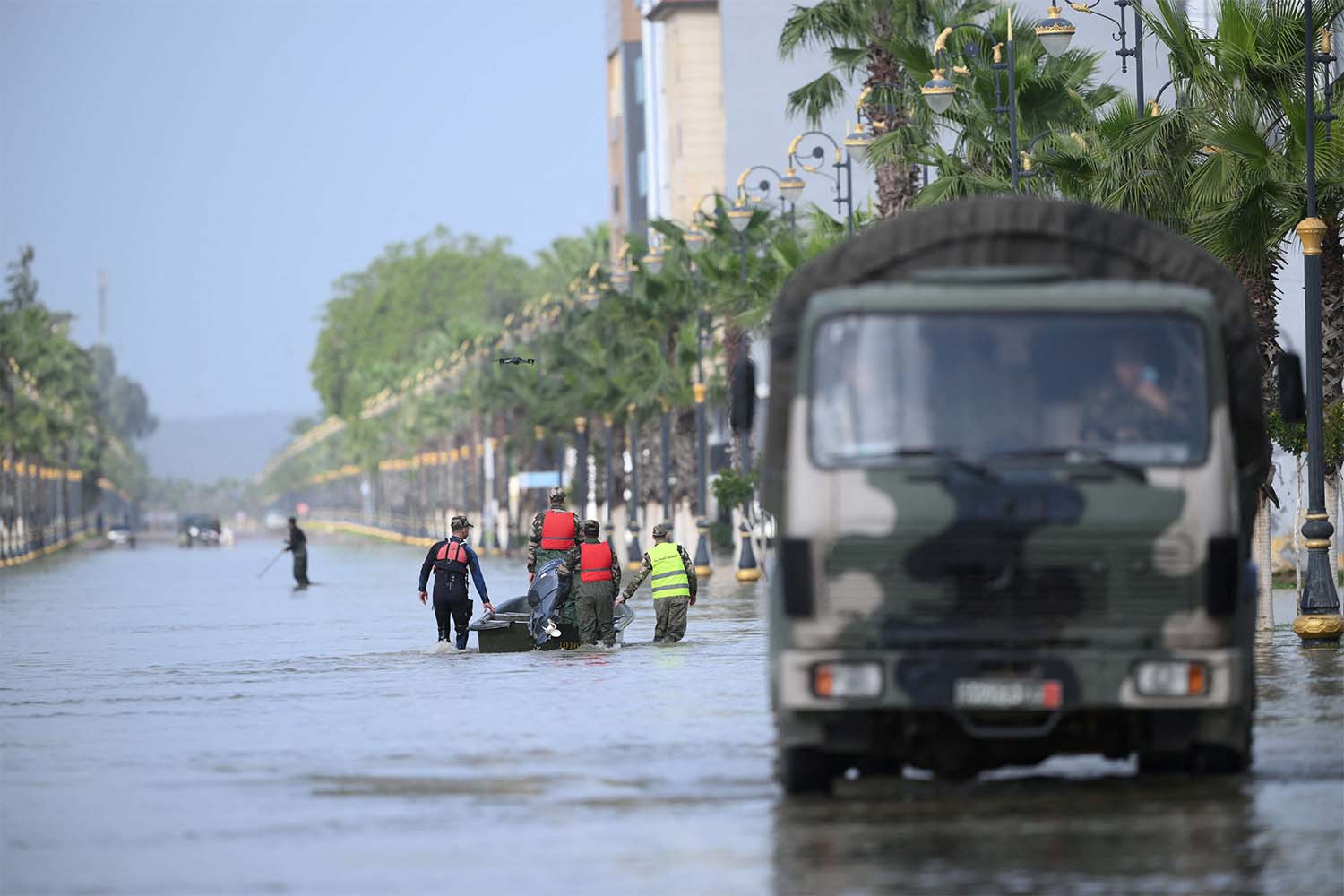
Restless efforts to deal with the floods
Morocco rises after the floods: Resilience in action
Morocco’s ability to quickly channel resources and coordinate interventions is a testament to a state that remains vigilant, responsive, and accountable to its citizens.
Friday 13/02/2026
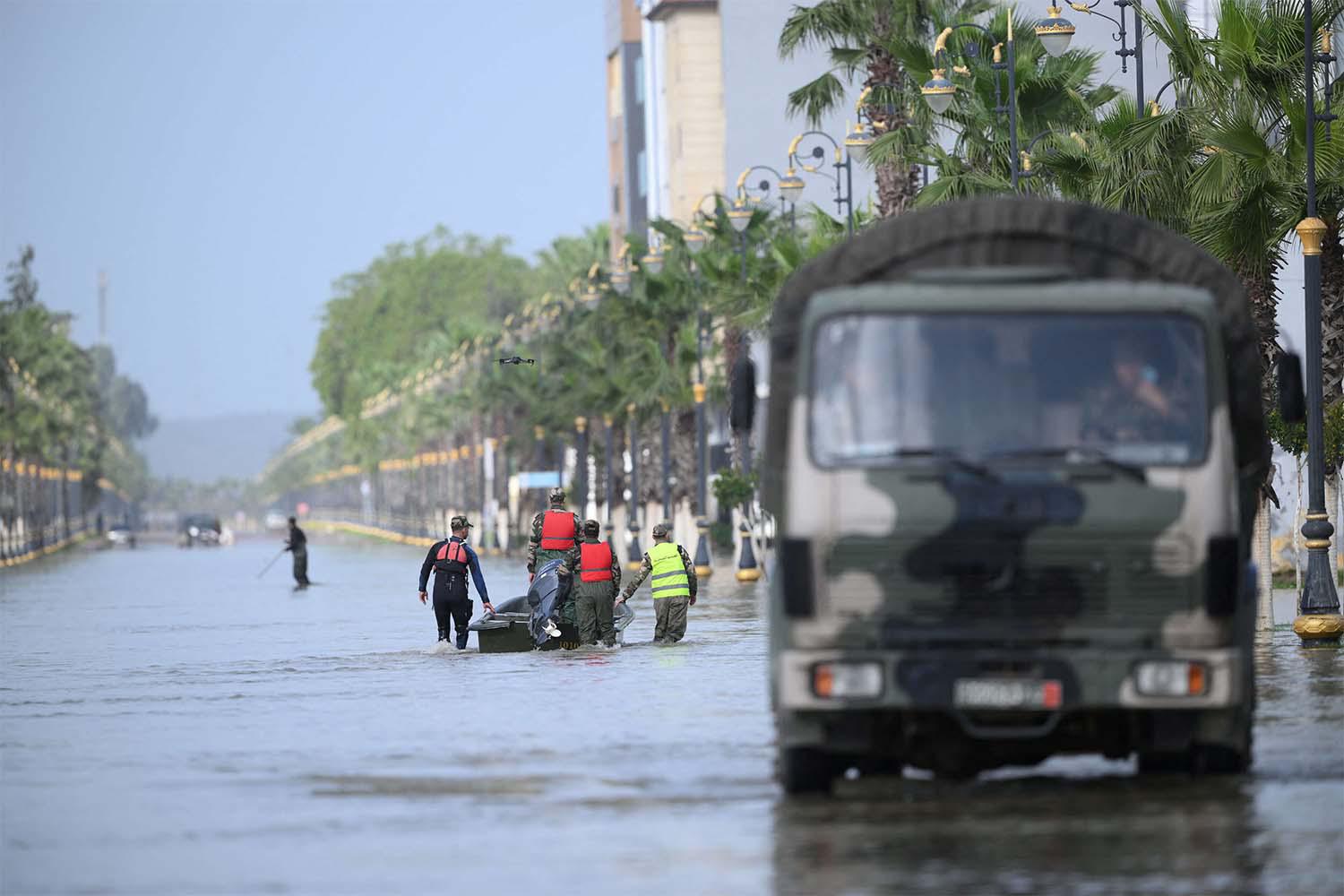
Restless efforts to deal with the floods
Over the past two months, Morocco has faced extraordinary weather events, with relentless storms battering the Gharb and Loukkos plains. The consequences have been devastating: over 110,000 hectares flooded, nearly 188,000 people displaced, and countless homes, farms, and businesses left in ruins. These natural disasters are not merely statistics—they are a profound human and economic challenge that tests the resilience of communities and the effectiveness of state institutions.
In response, His Majesty King Mohammed VI has once again demonstrated the leadership and attentiveness that define his reign. The King issued clear instructions to the government to mobilize a comprehensive program of aid and reconstruction, signaling that the state’s response will be swift, coordinated, and accountable. The government has accordingly declared the affected provinces—Larache, Kénitra, Sidi Kacem, and Sidi Slimane—as disaster zones, triggering emergency measures and regulatory interventions.
The scale of the response reflects the magnitude of the crisis. A budget of three billion dirhams has been earmarked, grounded in meticulous assessments of both the immediate needs and the longer-term socioeconomic repercussions. Key components of the plan include:
- Support for individuals and families: 775 million dirhams will be allocated for rehousing, reconstruction of collapsed homes, income support, and rehabilitation of damaged small businesses.
- Emergency relief on the ground: 225 million dirhams in in-kind aid will address urgent needs, from food and clothing to essential services.
- Support for farmers and livestock breeders: 300 million dirhams will help communities whose livelihoods are directly tied to the land and whose losses threaten the agricultural backbone of the region.
- Infrastructure rehabilitation: 1.7 billion dirhams will be invested in restoring roads, hydro-agricultural systems, and essential networks, underscoring the government’s commitment to long-term resilience.
This multi-pronged approach highlights two critical dimensions of disaster management. First, it demonstrates a keen awareness that recovery must be holistic: it is not enough to repair homes; livelihoods, local economies, and critical infrastructure must be restored simultaneously. Second, it illustrates the central role of governance and institutional capacity in mitigating the human impact of natural disasters. Morocco’s ability to quickly channel resources and coordinate interventions is a testament to a state that remains vigilant, responsive, and accountable to its citizens.
Yet beyond the immediate numbers and budgets lies a deeper lesson. Extreme weather events are increasingly frequent and severe, a reminder of the vulnerabilities inherent in a changing climate. Morocco’s response, therefore, is not just a reaction to a temporary crisis but a rehearsal for the challenges that climate change poses to societies across the globe. The combination of rapid mobilization, targeted financial support, and strategic infrastructure investment sets an example of proactive governance that other nations facing similar threats would do well to study.
For the tens of thousands affected in Larache, Kénitra, Sidi Kacem, and Sidi Slimane, the coming months will test the effectiveness of these interventions. But the clarity of the state’s commitment, guided by the King’s instructions, provides a foundation for hope: that recovery will be swift, reconstruction will be solid, and life will return to normal as soon as possible. In facing the floods, Morocco is not only confronting water but demonstrating the resilience, solidarity, and governance capacity that define it as a nation.
