

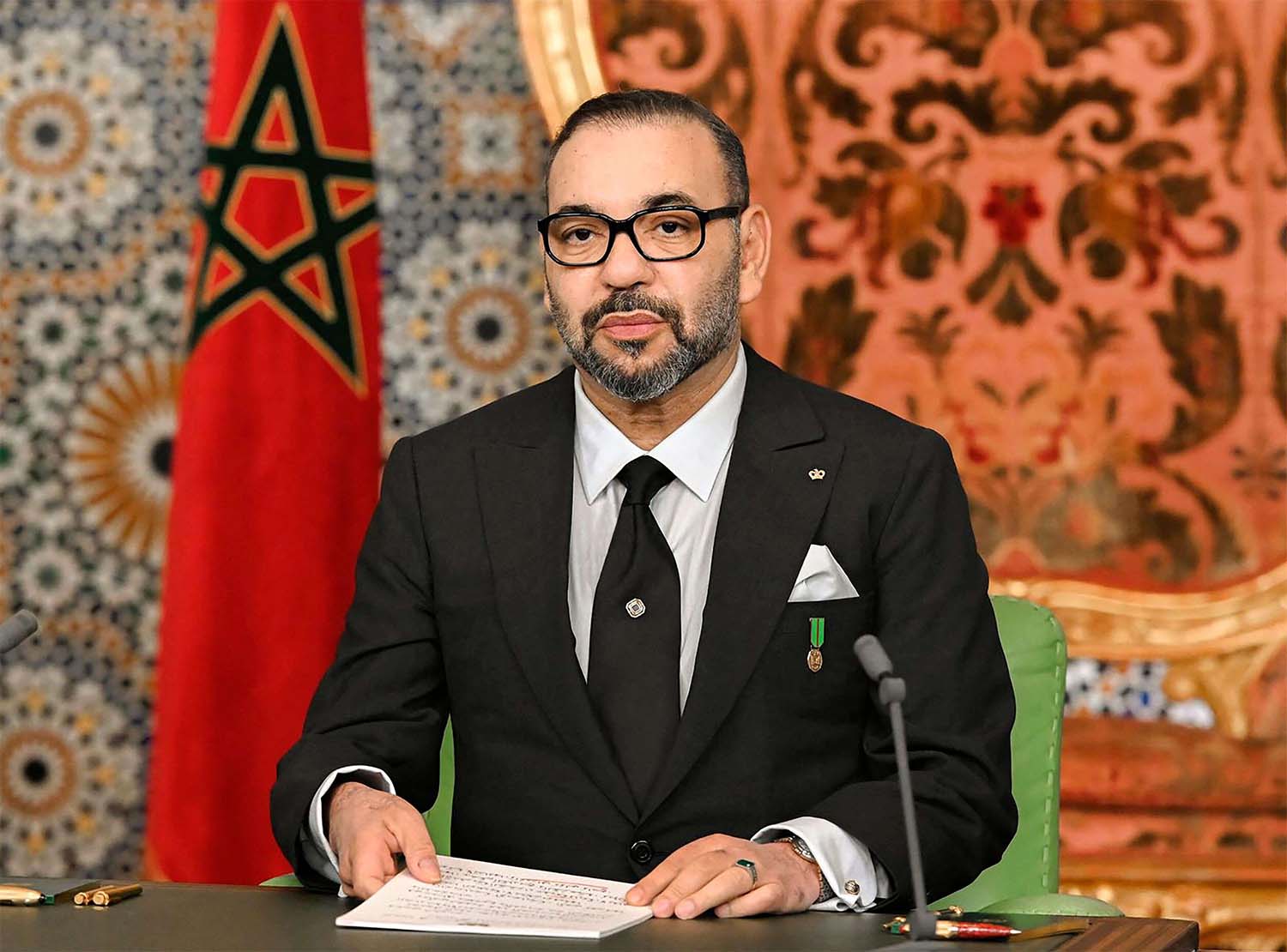
Morocco's King Mohammed VI
King Mohammed VI and the Moroccan approach to a just peace: A voice of strategic reason in a fractured Middle East
Rabat is positioning itself as an active contributor to the next phase of diplomacy, acknowledging the need for an international framework with clear parameters.
Thursday 27/11/2025
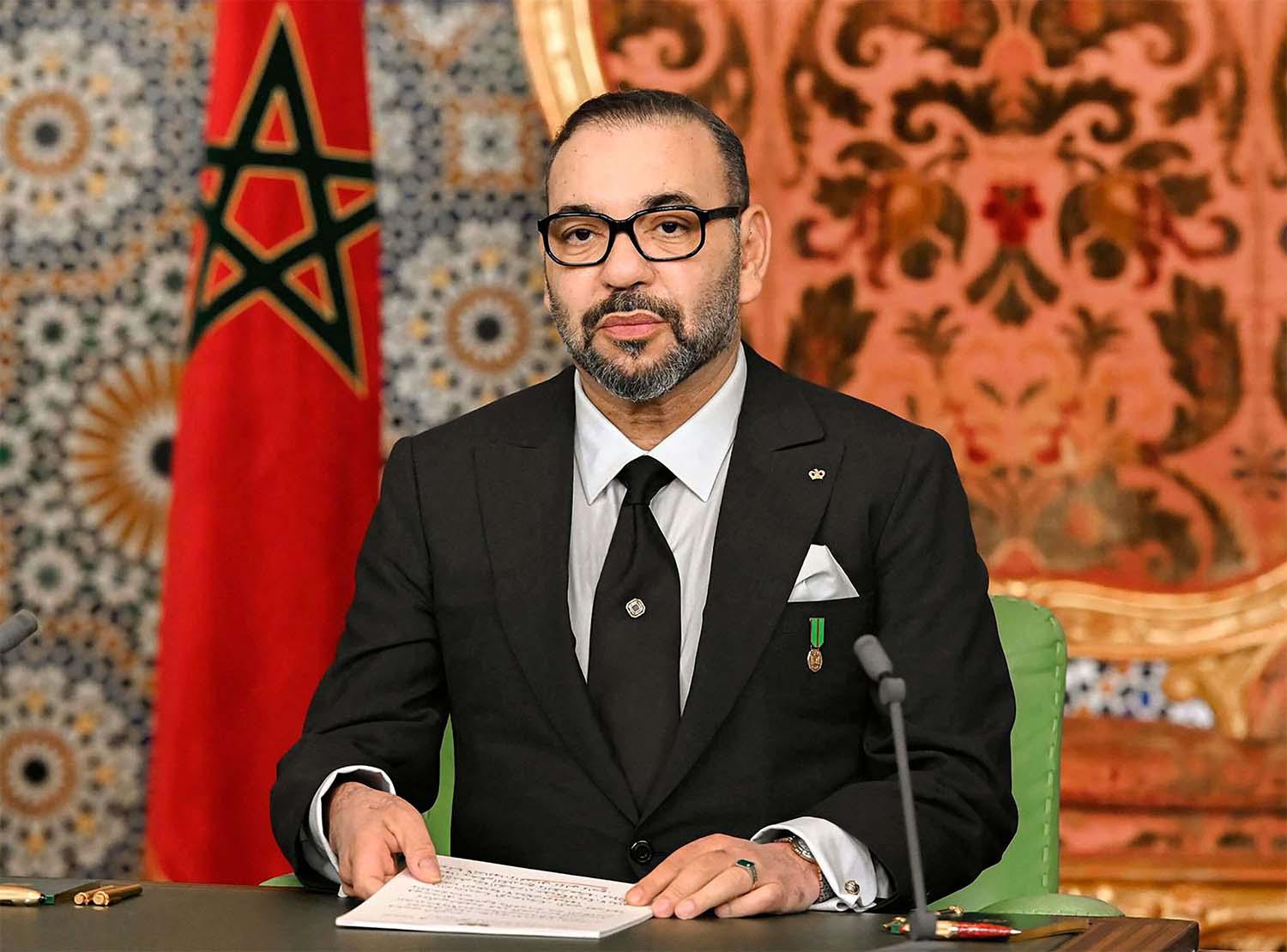
Morocco's King Mohammed VI
At a time when the Middle East is once again navigating the fragile space between a ceasefire and the threat of renewed violence, Morocco has stepped forward with a message that resonates far beyond regional politics. Guided by King Mohammed VI, the country is putting forward a principled, coherent, and forward-looking vision for a sustainable peace — one that seeks to balance humanitarian urgency with political realism.
Far from the noise of polarized debates, Morocco’s position stands out for its clarity: peace cannot be manufactured from temporary truces or improvised crisis management. It must be built on justice, dignity, and the restoration of political horizons that have long been denied to the Palestinian people.
Beyond the Ceasefire: A Moment to Reset the Diplomatic Compass
The ceasefire that followed two devastating years in Gaza has prevented the conflict from descending into an even deeper abyss. But for Rabat, represented at the highest level by King Mohammed VI, a ceasefire is the beginning — not the end — of responsibility.
From New York, the King underscored the need for the international community to treat this moment as an opportunity to re-establish a political roadmap rather than a pause between two rounds of violence. Morocco views the current juncture as a rare chance to break the repetitive cycle of escalation, reconstruction, frustration, and collapse that has defined the region for decades.
A Moroccan Doctrine: Humanitarian Commitment Paired With Political Credibility
Morocco’s response to the humanitarian catastrophe in Gaza has been unusually consistent and operational. The Kingdom dispatched several rounds of emergency aid — the latest delivered via an unprecedented land corridor carrying nearly 300 tons of food, medicine, and relief supplies. This was not symbolic diplomacy; it was a statement of ethical duty.
Yet the humanitarian dimension is only one facet of Morocco’s broader stance. Rabat is positioning itself as an active contributor to the next phase of diplomacy, acknowledging the need for an international framework with clear parameters:
- Palestinian political unity under the National Authority,
- a viable and contiguous Palestinian territory encompassing Gaza and the West Bank,
- support for Palestinian institutional capacity,
- and a renewed negotiation track anchored in a strict timeline and the two-state solution.
This formula reflects a Moroccan conviction: the conflict cannot be managed; it must be resolved.
Jerusalem: The Red Line That Cannot Be Politically Sanitized
As Chairman of the Al-Quds Committee, King Mohammed VI has long positioned the status of Jerusalem as the emotional, legal, and geopolitical core of the conflict. In his message, he warns of the accelerating unilateral measures altering the city’s demographic and historical character.
For Morocco, Jerusalem is not a bargaining chip. It is a sacred space whose stability is fundamental to the entire region. Continued provocations there, the King stresses, risk pushing the conflict toward a dangerous religious dimension — one that could ignite uncontrollable tensions from North Africa to the Indo-Pacific.
This is why Morocco pairs diplomatic advocacy with concrete action on the ground, through the work of Bayt Mal Al-Quds Agency, supporting schools, families, and cultural preservation projects in the city.
The West Bank: The Crisis Hidden in Plain Sight
While global attention often concentrates on Gaza’s devastation, Morocco’s analysis underscores the structural dangers unfolding in the West Bank: the expansion of settlements, the erosion of Palestinian property rights, and the slow normalization of de facto annexation. These developments, Rabat argues, strike at the heart of the two-state solution, threatening not only Palestinian aspirations but the stability of Israel itself.
A Global Momentum — and Morocco’s Strategic Position Within It
International recognition of Palestine has been gaining ground, signalling a shift in how many states now interpret the conflict. Morocco has placed itself within this global momentum, hosting in May 2025 the fifth meeting of the International Coalition to Implement the Two-State Solution — co-organized with the Kingdom of the Netherlands.
This move illustrates a deliberate diplomatic choice: Morocco seeks not merely to express support for peace, but to shape its architecture.
Rabat’s balanced relations with Western powers, the Arab world, and African partners create a unique diplomatic bridge — one that may become increasingly valuable as the region explores post-conflict arrangements.
Conclusion: A Moroccan Message to the World
If the Middle East is to emerge from its long season of grief, a new political grammar is needed — one that blends realism with moral clarity. Morocco’s position, as articulated by King Mohammed VI, attempts exactly that.
It is a vision that asserts:
- that justice is indispensable to security,
- that Palestinian dignity is non-negotiable,
- that Jerusalem must remain a symbol of coexistence rather than conflict,
- and that the two-state solution is not a diplomatic slogan but an ethical imperative.
In a moment when many actors are trapped in tactical calculations, Morocco is choosing to speak the language of strategic foresight.
And in a region thirsty for reason, that voice matters.
