Marrakech and the new frontlines of global water diplomacy
Over the past decade, the Kingdom has positioned itself at the crossroads of African resilience and Mediterranean innovation, transforming water governance into a national priority and a diplomatic tool.
Tuesday 25/11/2025
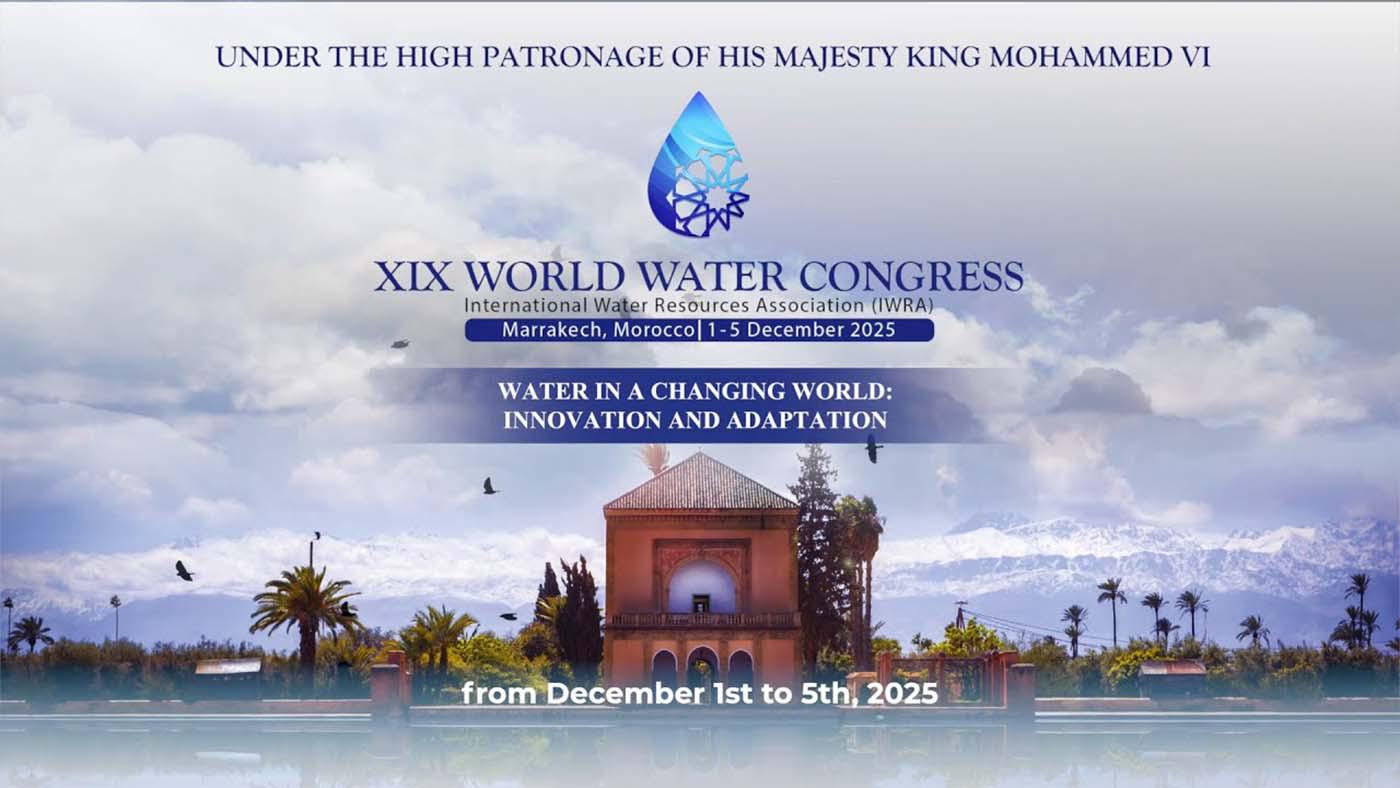
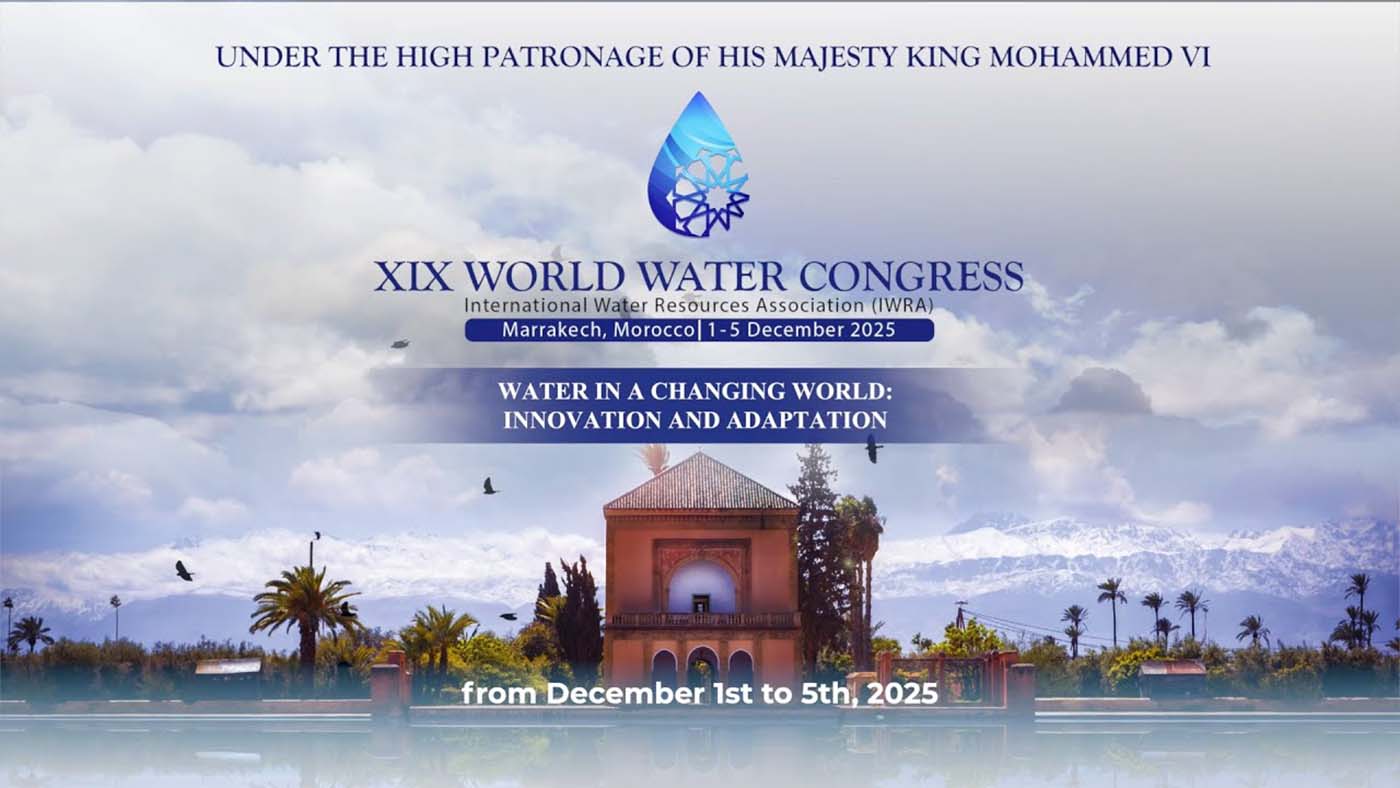
When the world speaks today of existential threats, water scarcity ranks at the very top—no longer a distant anxiety but a lived reality reshaping geographies, economies, and political balances. It is against this backdrop that Marrakech will host one of the most consequential gatherings on the global water agenda: the 19th World Water Congress, convened by the International Water Resources Association (IWRA) in partnership with Morocco’s Ministry of Equipment and Water, and held under the High Patronage of King Mohammed VI.
Far from being another technical symposium, the Congress has become a strategic arena where science, policy, and geopolitics collide. Delegations from every region—researchers, innovators, ministers, development agencies, private sector leaders, civil society voices—will converge in Morocco not merely to trade expertise, but to negotiate the contours of humanity’s water future.
The choice of Morocco is hardly incidental. Over the past decade, the Kingdom has positioned itself at the crossroads of African resilience and Mediterranean innovation, transforming water governance into a national priority and a diplomatic tool. Its large-scale investment in desalination, dam infrastructure, wastewater reuse, and integrated basin management has made the country a reference point for emerging economies grappling with climate stress.
But the Marrakech Congress carries ambitions that extend well beyond national success stories. It seeks to accelerate progress toward Sustainable Development Goal 6—universal access to water and sanitation—at a moment when global trajectories are moving in the opposite direction. According to UN data, more than two billion people still lack safely managed drinking water, and climate disruptions continue to fracture water systems in both the Global South and North.
What makes this Congress particularly significant is its insistence on cross-sector alliances. The future of water security no longer rests solely with hydrologists or environmental ministries. It depends on engineers and diplomats, financiers and farmers, urban planners and educators, innovators and community leaders. It demands a coalition that mirrors the complexity of the challenge itself.
Marrakech, a city where tradition meets foresight, offers the ideal setting for this global reset. It reminds the world that water, once seen as an abundant public good, is emerging as a strategic resource whose scarcity can ignite tensions or foster cooperation—depending on the choices nations make today.
If the Congress succeeds, it will not simply produce declarations; it will help craft a new architecture of global water diplomacy. And in doing so, it will reaffirm Morocco’s role as a bridge-builder between continents, a convener of diverse actors, and a country prepared to confront the water crises of tomorrow with pragmatism, ambition and vision.
In a century defined by ecological limits, Marrakech may well be where the world begins to rethink how humanity shares its most precious resource.