
Balancing safety standards with innovation
UAE aviation emerges as global benchmark for innovation, sustainability
The aviation sector has become a cornerstone of the national economy, contributing directly and indirectly to nearly a fifth of GDP.
Tuesday 06/01/2026
Balancing safety standards with innovation
ABU DHABI –
Amid sweeping global shifts in the aviation industry, the United Arab Emirates has established itself as a standout success story, one that extends beyond the skies to exemplify a holistic model of national development. Anchored in visionary leadership, political and social stability and strategic investment in infrastructure and human capital, the UAE’s aviation achievements are the product of a long-term strategy that has positioned the country as a global hub for connectivity, commerce and economic influence.
The aviation sector has become a cornerstone of the national economy, contributing directly and indirectly to nearly a fifth of GDP, while also driving linked industries such as international trade, tourism, logistics, and supply chains. The UAE has built an integrated ecosystem combining flexible regulation, cutting-edge infrastructure, sound governance, and international partnerships, creating a blueprint for managing a sector as complex and strategically significant as aviation.
The General Civil Aviation Authority (GCAA) has led these transformations, balancing safety standards with innovation and embracing emerging technologies. In 2025, the UAE reached several milestones that signalled its shift from adapting to global trends to actively shaping the future. Among these, the launch of a national unified platform for drones reflects foresight in regulating the sector, supporting commercial and service use while ensuring public safety and compliance with international standards.
In urban aviation, the country approved the world’s first hybrid vertical take-off and landing (eVTOL) pad design for its “air taxi” project in Abu Dhabi, alongside the issuance of the first-ever global regulatory framework for hybrid operations. These initiatives are not merely technical achievements but represent a redefinition of urban mobility, integrating aerial transport into smart, sustainable city systems aligned with environmental and economic priorities.
Environmental sustainability is central to the UAE’s aviation strategy. The nation’s State Action Plan to Reduce Aviation Emissions includes numerous initiatives covering operations, technology and sustainable aviation fuel. Submission of this plan to the International Civil Aviation Organisation (ICAO) underscores the UAE’s commitment to climate responsibility and active participation in global solutions to environmental challenges.
On the international stage, the UAE has consolidated its influence in global civil aviation institutions, winning repeated ICAO council seats and placing Emirati experts in leadership roles within the organisation. This recognition highlights growing international confidence in UAE expertise and its capacity to shape global aviation standards in security, environmental protection and implementation.
The country has also strengthened its role as a hub for global dialogue on aviation’s future, hosting international events and initiatives that have evolved from national projects into officially-recognised global platforms. The adoption of the Global Sustainable Aviation Marketplace (GSAM) as an annual ICAO event demonstrates the UAE’s ability to translate strategic vision into institutional frameworks guiding the sector toward sustainability and innovation.
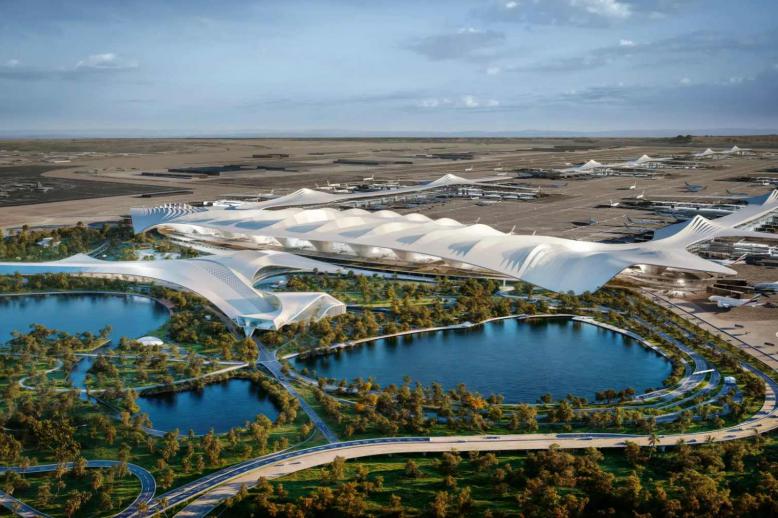
Domestic infrastructure performance has been equally remarkable, with UAE airports achieving record passenger numbers, reflecting the resilience of infrastructure, operational efficiency and the country’s appeal as a global travel and business hub. Airports now serve not only as transit points but as economic engines, generating jobs, supporting growth and enhancing national competitiveness.
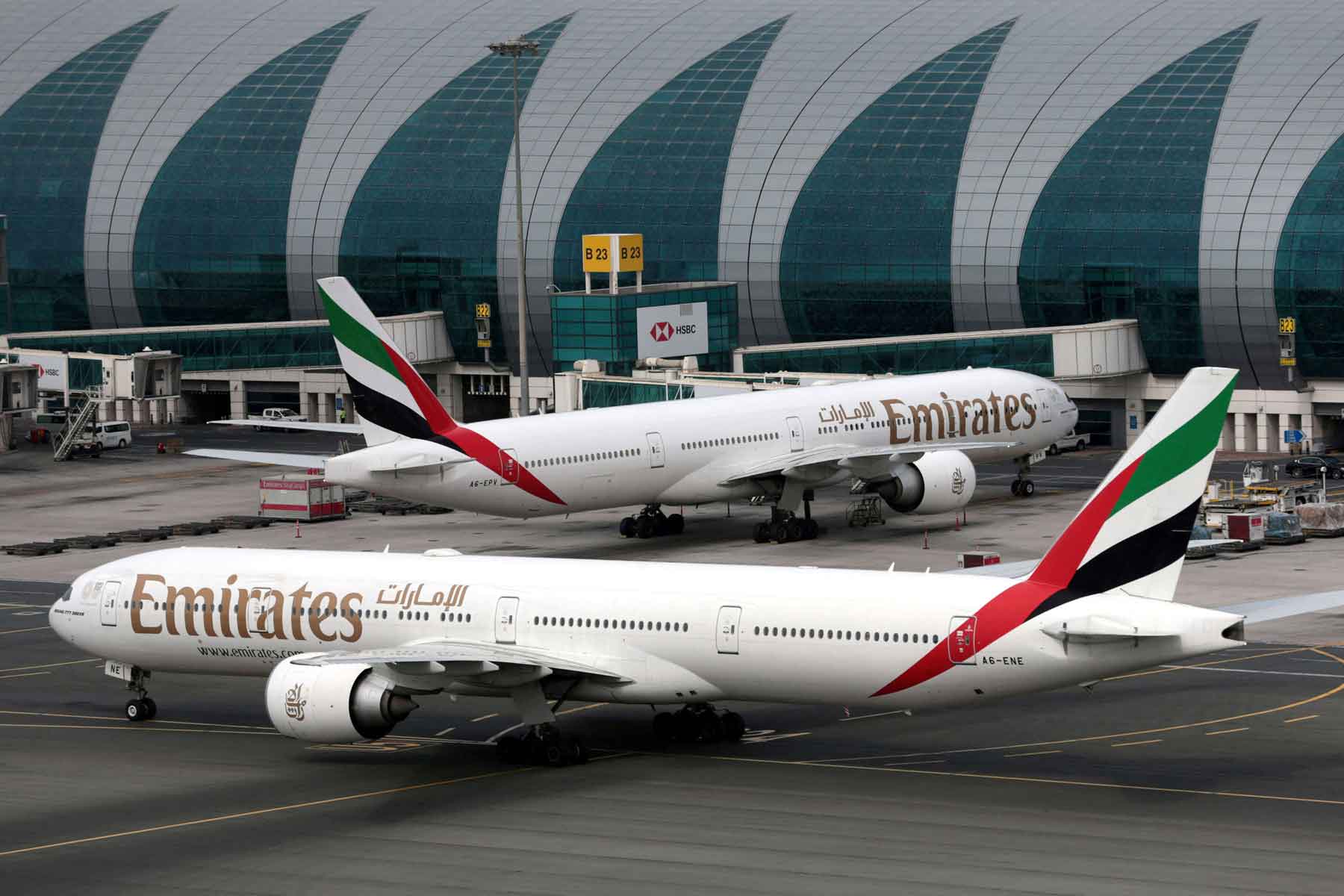
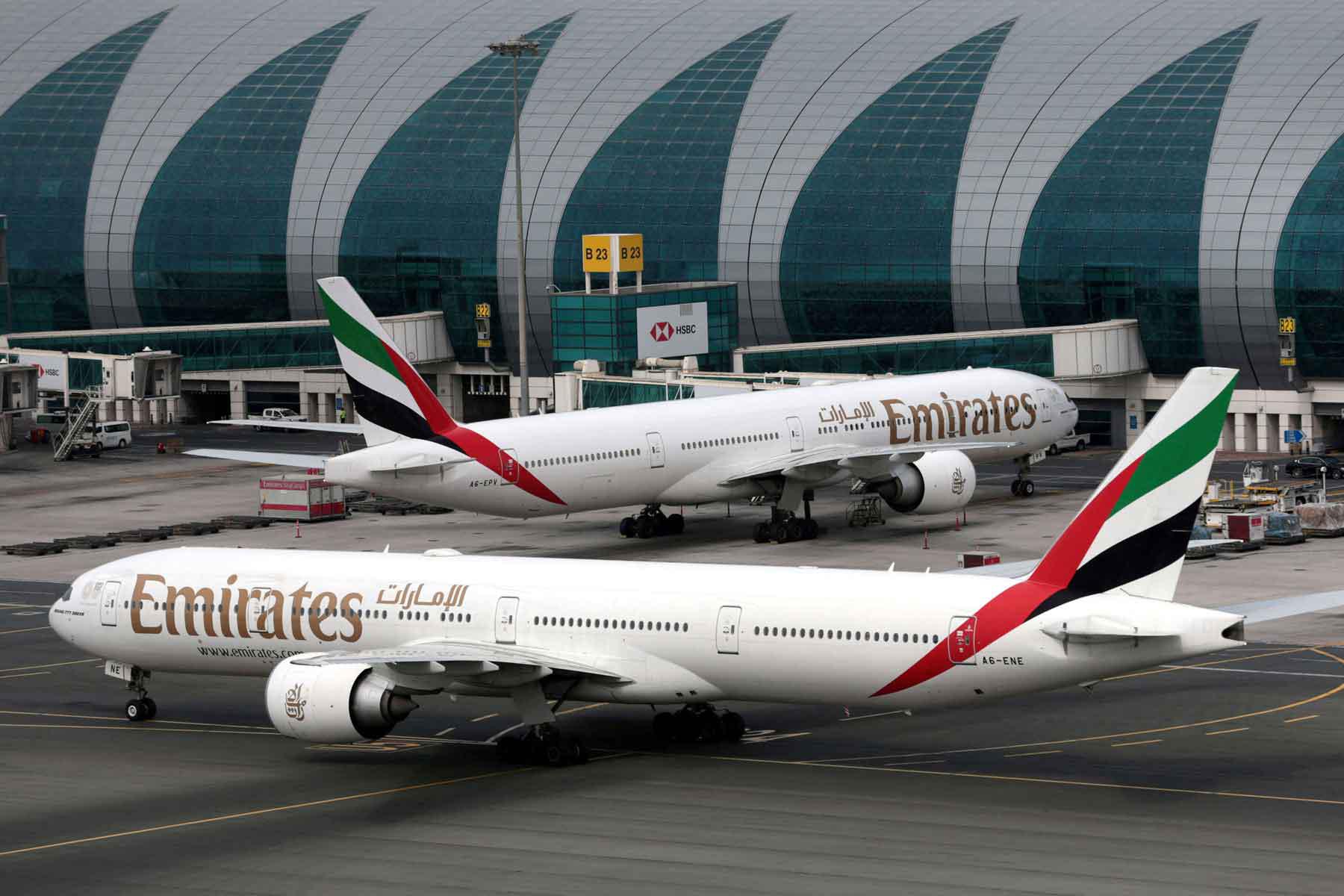
National carriers continue to act as the sector’s driving force, investing heavily in fleet modernisation and adopting advanced technologies focused on passenger experience. Orders announced by Emirates, Flydubai and Etihad at the Dubai Airshow signify not only quantitative growth but a strategic vision for more efficient, fuel-saving aircraft aligned with sustainability objectives.
These investments underline confidence in the sector’s future and the UAE economy’s ability to grow in a volatile global environment. The nation views aviation as part of a wider developmental ecosystem, integrating infrastructure, political and social stability, economic openness and ongoing human capital development.
Ultimately, the UAE’s aviation journey is a story of leadership that invests in people, builds institutions and plans for the long term. Beyond airports and aircraft, it reflects a resilient, adaptive model capable of generating opportunities and sustaining growth. In a rapidly-changing world, the UAE continues to position itself as a nation that shapes transformations rather than merely follows them, demonstrating how clear vision, stability and human capital investment can turn ambition into lasting achievement.