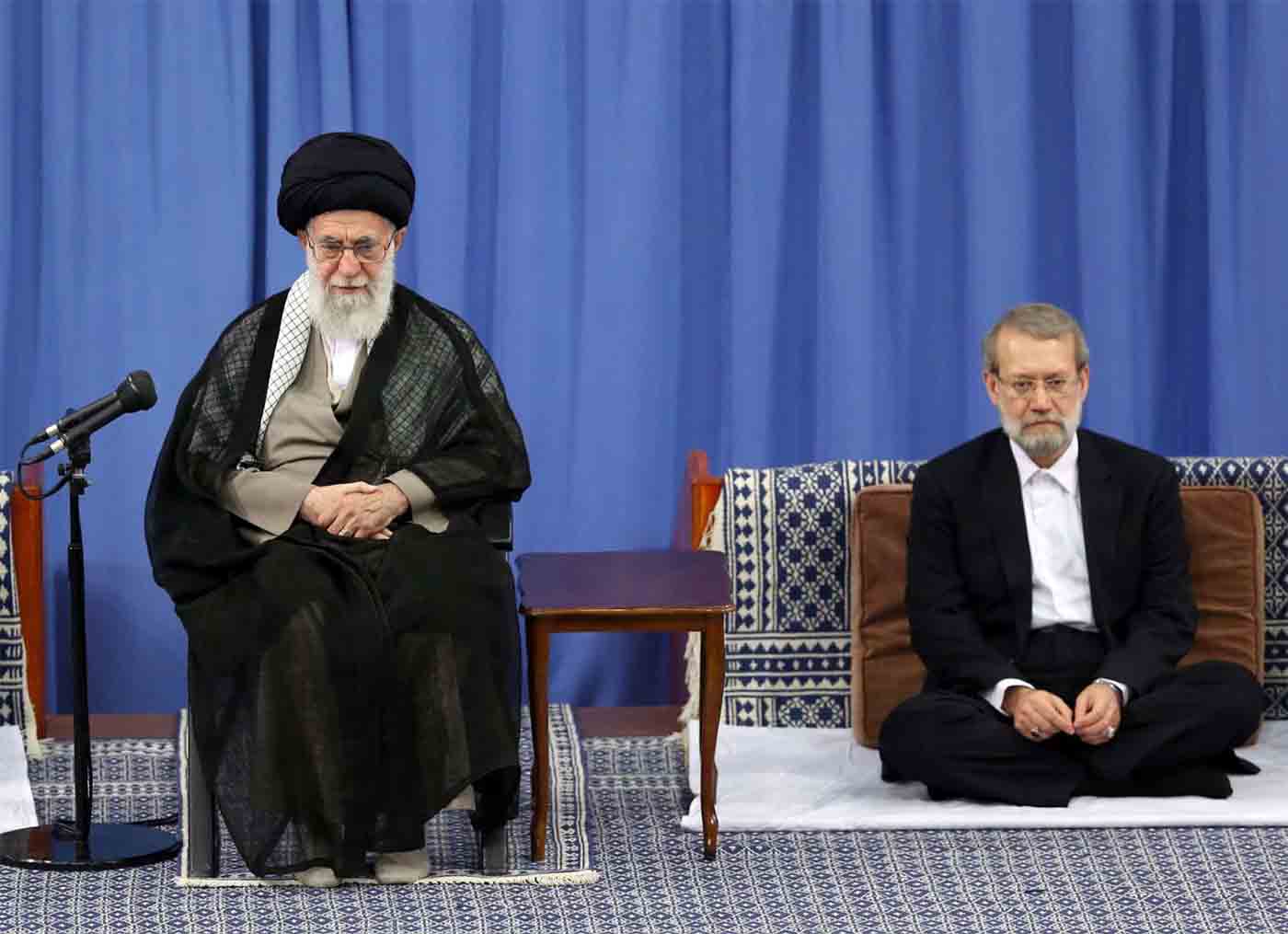
Khamenei and Larijani were the biggest losses in Iran's leadership
The war on Iran: The head instead of the body
The "Mullah regime" boasts that Iran is a "breeder of leaders" capable of replacing any loss at the top of the pyramid. But the question remains: for how long? Especially after the US and Israel have removed so many of them from existence.
Tuesday 24/03/2026
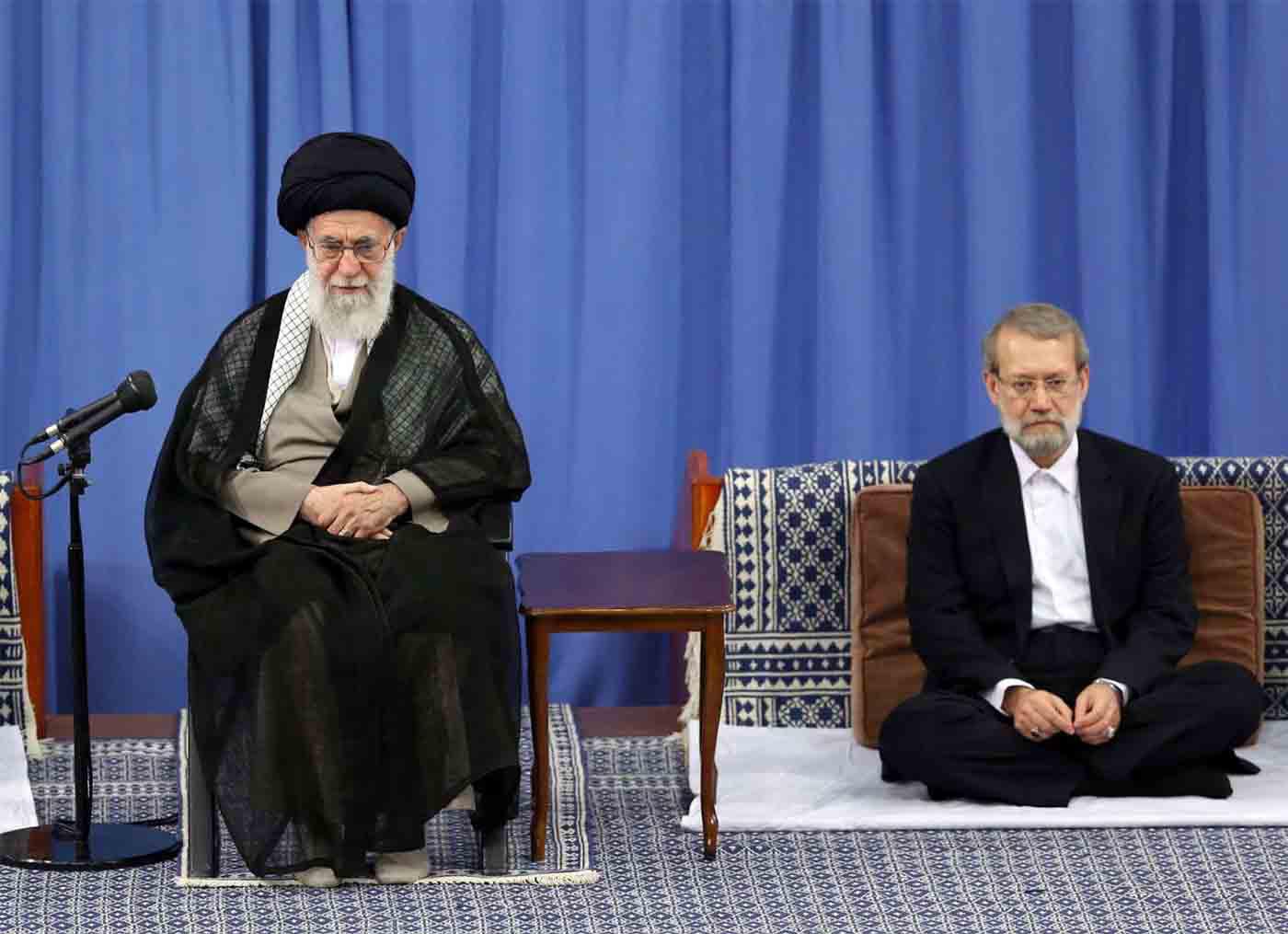
Khamenei and Larijani were the biggest losses in Iran's leadership
Since the outbreak of the American-Israeli war on Iran more than two weeks ago, the heads of the political, military, and security leadership have been falling one after another in what resembles a concentrated war of attrition.
The first step of what has been termed the "Decapitation Strategy" began with the fall of the "Supreme Leader" Ali Khamenei at the very start of military operations. This continued last Tuesday when Israel, through Defense Minister Israel Katz, announced the death of Ali Larijani, Secretary of the Supreme National Security Council, in an Israeli airstrike alongside Gholamreza Soleimani, commander of the Basij forces (an arm of the Revolutionary Guard).
With Iran later officially confirming the deaths of Larijani and Soleimani, the Israeli lead in announcing their killing indicates, once again, that "where there is smoke, there is fire." It highlights the extent of Israeli intelligence penetration within the Iranian ruling system. This intelligence prowess, combined with military force and a fierce media war, gives the impression that the battle is not only raging in the sky and on the ground but also deep within the Iranian security apparatus.
During this brief period of war, strikes have also targeted Abdolrahim Mousavi (Chief of Staff of the Armed Forces), Aziz Nasirzadeh (Minister of Defence), Mohammad Pakpour (Commander of the IRGC Ground Forces), and Ali Shamkhani (Advisor to the Leader and a key security decision-maker), in addition to dozens of security officials. This succession of strikes and the "hunting" of leaders reveal that the ongoing confrontation is not limited to conventional military superiority but relies on deep intelligence aimed at dismantling the decision-making system of the "Islamic Republic."
Over many years, Israel's foreign intelligence agency, Mossad, has accumulated a complex network of operations inside Iran, focusing on three main pillars:
- Slowing the nuclear program: Sabotaging facilities and targeting scientists.
- Intelligence gathering: Operating at the heart of sensitive state institutions.
- Cyber warfare: Executing sabotage aimed at disrupting infrastructure in energy, nuclear projects, and communications.
The Stuxnet virus attack in 2010, which targeted centrifuges at the Natanz nuclear facility, remains a prime example of Israeli intelligence efficacy. The virus was introduced into the facility's computer network, targeting industrial control systems to make centrifuges spin at abnormal speeds—and then return to normal so engineers wouldn't notice—leading to the destruction of large numbers of enrichment devices without direct military intervention.
The "Mullah regime" boasts that Iran is a "breeder of leaders" capable of replacing any loss at the top of the pyramid. But the question remains: for how long? Especially after the US and Israel have removed so many of them from existence.
Manufacturing such leaders does not happen overnight. The Supreme Leader died, and his son, Mojtaba Khamenei, succeeded him in a move that seemed like an attempt to maintain cohesion amid escalating attacks. However, the new leader had hardly settled into his position before doubts about his ability to rule began to surface. While some sources claim he was only slightly injured and continues to manage state affairs from behind the scenes, other reports suggest he was seriously injured at the start of the attacks, with conflicting news about permanent disfigurement or the amputation of part of his leg. The mystery surrounding his fate is deepened by the fact that he has not appeared in public since being named his father's successor.
In conclusion, we are facing a war against the structure of power itself. A war targeting the head before the body, and the centers of political and security decision-making before the battlefield. It is not merely a war between states.
The fundamental question that persistently arises is: Who will manage the state when the strikes consecutively hit the top of the pyramid? And consequently, who will manage the war?