

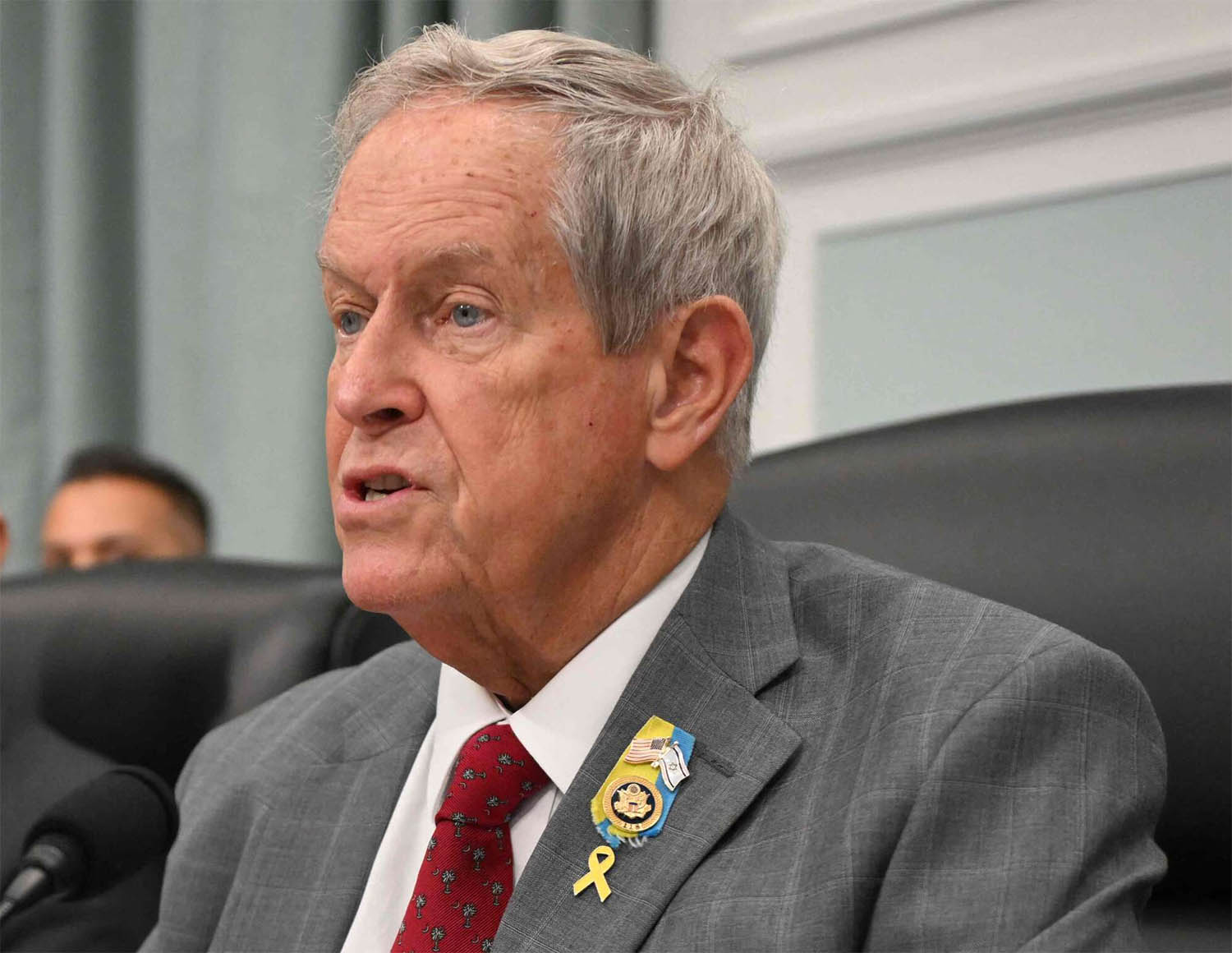
US Representative Joe Wilson
Calling the Polisario what it is
When Representative Joe Wilson stood in New York this week and declared the Polisario Front a “terrorist organization,” it was tempting to dismiss his words as another congressional soundbite. But they deserve more careful attention.
Thursday 25/09/2025
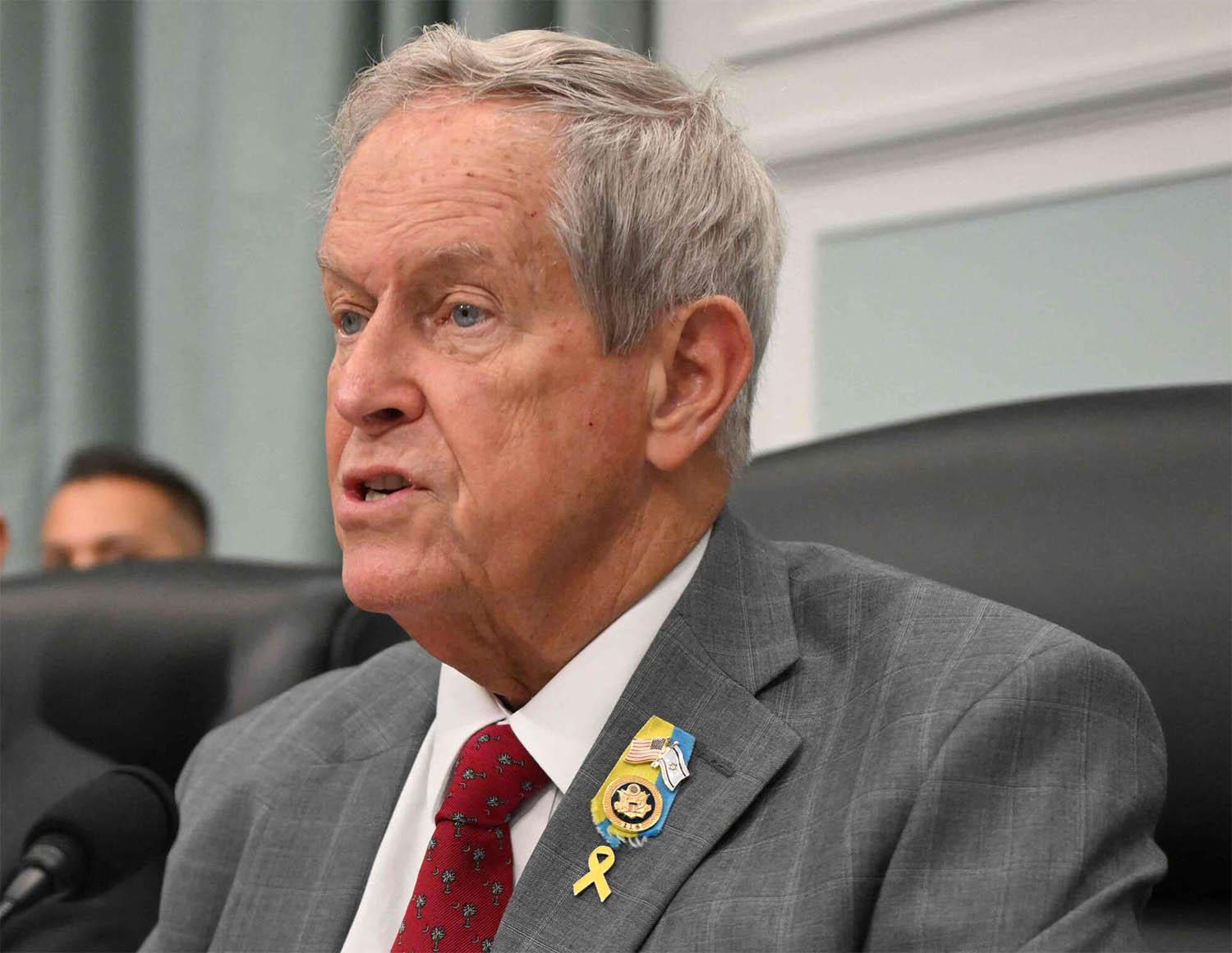
US Representative Joe Wilson
When Representative Joe Wilson stood in New York this week and declared the Polisario Front a “terrorist organization,” it was tempting to dismiss his words as another congressional soundbite. But they deserve more careful attention. They signal a shift in how Washington may soon approach one of the world’s most neglected conflicts—one that has festered for decades on the edge of North Africa and now risks bleeding into the global security agenda.
The Polisario has long been described in diplomatic circles as a “liberation movement,” a label that obscures more than it reveals. The group is armed, entrenched in camps with limited accountability, and increasingly present in the lawless corridors of the Sahel—a region already destabilized by jihadist groups and organized crime. In such an environment, ambiguity is dangerous. The line between political activism and armed militancy has blurred, and the costs of pretending otherwise are growing.
Congressman Wilson is not the first to voice concern, but his call to designate the Polisario as a Foreign Terrorist Organization puts Washington on notice. If adopted, such a measure would mark a dramatic reorientation of U.S. policy: it would align American law with Morocco’s long-standing warnings and would send a signal to Europe and Africa that the time for diplomatic hedging is over.
The instinct to preserve dialogue is understandable. Peace in the Sahara will ultimately require negotiation. Yet for nearly half a century, those negotiations have circled endlessly, while conditions on the ground have deteriorated. In this sense, clarity may be more useful than caution. Naming the Polisario for what it has become does not preclude diplomacy; it may be the only way to make it meaningful.
The broader stakes are not confined to Morocco. The Sahara sits at the crossroads of West Africa, the Maghreb, and the Mediterranean—regions whose stability is directly tied to American and European security. Morocco has emerged as a critical partner on counterterrorism, renewable energy, and transatlantic trade. The Polisario, by contrast, has drifted toward alliances that undermine those very priorities.
There are no easy answers to the Sahara question. But there is one certainty: the world cannot afford to look away, or to indulge in comforting myths. Mr. Wilson’s words, stark as they were, may help strip away illusions. Sometimes, the first step toward peace is to call things by their name.
Said Temsamani is a Moroccan writer
Views expressed in this article and may or may not reflect those of Middle East Online.
