

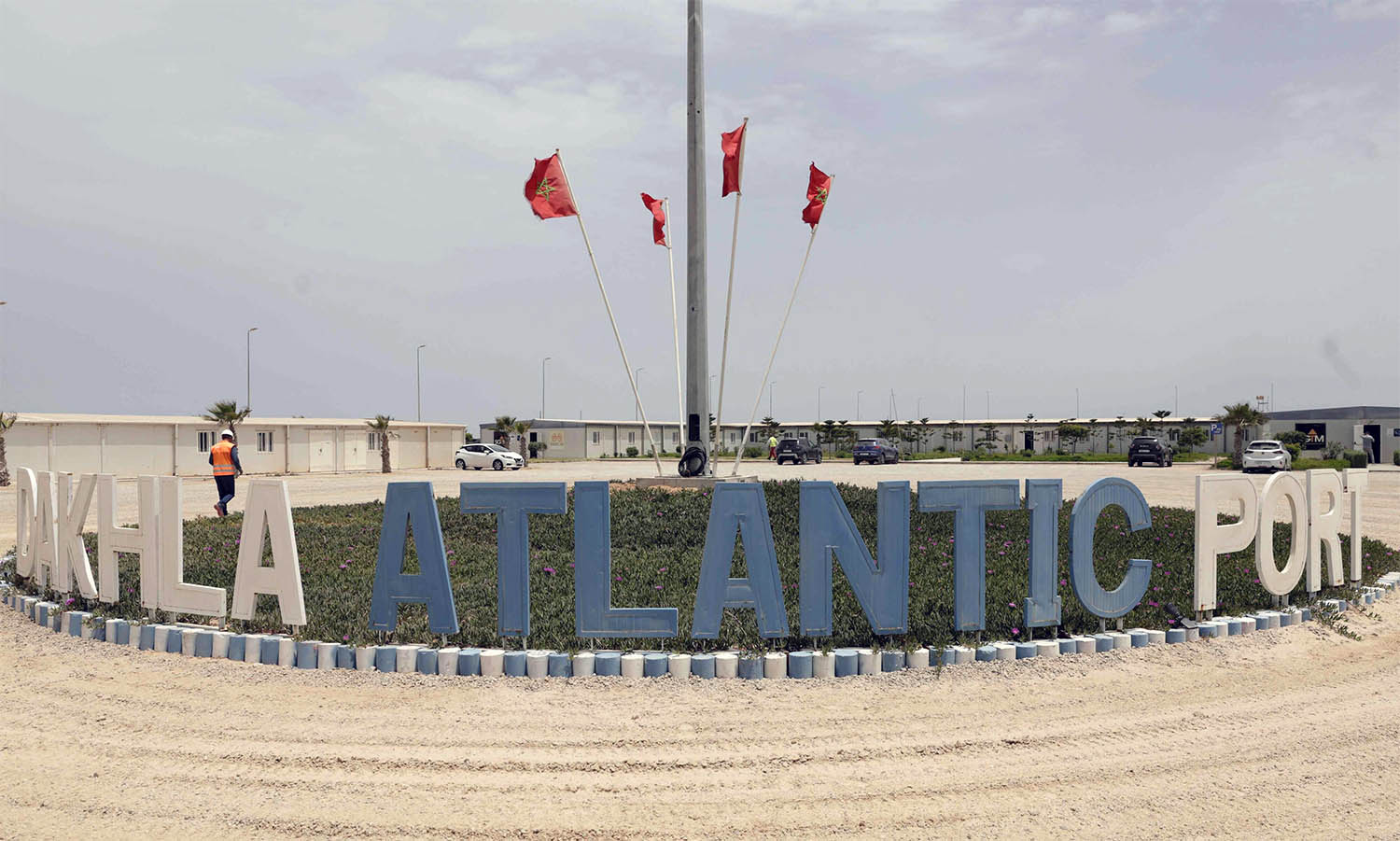
The Dakhla Atlantic Port, the gate of landlocked countries from the Sahel to the Atlantic Ocean
Morocco’s Sahara: A conflict nearing its endgame
The Sahara is no longer a question mark. It is a region on the rise, a cornerstone of Morocco’s stability, and a gateway to Africa’s future. For Sahrawis in Tindouf, the homeland is waiting.
Monday 22/09/2025
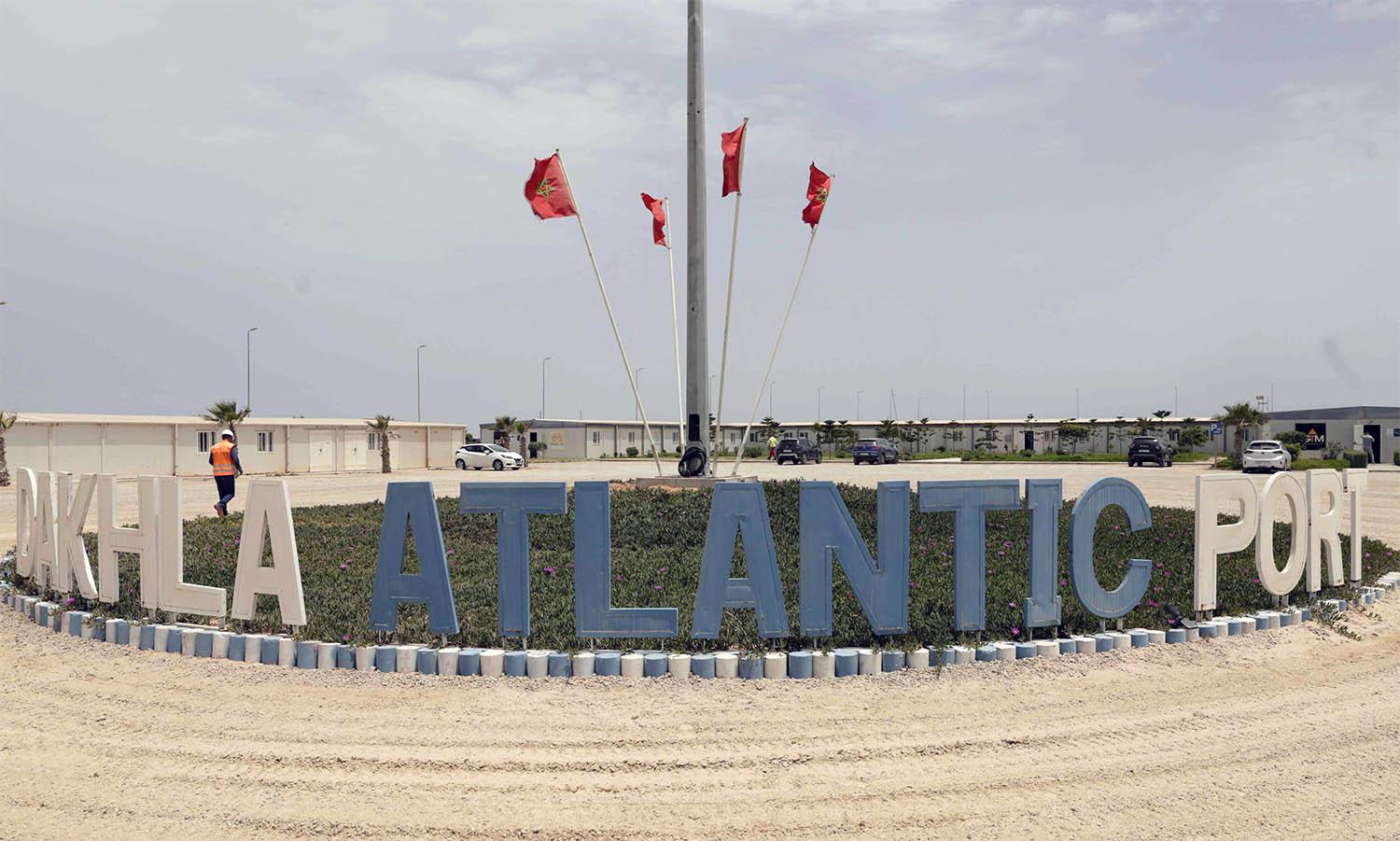
The Dakhla Atlantic Port, the gate of landlocked countries from the Sahel to the Atlantic Ocean
Few disputes have lingered as long, or as pointlessly, as the Sahara question. For half a century, it has been portrayed as an insoluble conflict, frozen in time and awaiting the alchemy of UN diplomacy. Yet in 2025, the picture is radically different: Morocco has redefined the terrain—literally and geopolitically—by transforming its southern provinces into a dynamic frontier of development, security, and African connectivity.
The contrast is stark. In Laayoune and Dakhla, new infrastructure, universities, hospitals, and renewable energy projects are changing lives and attracting international investors. Morocco’s green hydrogen strategy, the Nigeria–Morocco gas pipeline, and the Atlantic Initiative are positioning the Sahara as a strategic bridge between Africa, Europe, and the Americas. Meanwhile, in Tindouf, tens of thousands of Sahrawis remain trapped in camps, denied the right to return, cut off from opportunity, and dependent on dwindling aid flows.
This divergence explains why the Moroccan autonomy initiative—first proposed in 2007 and increasingly embraced by world powers—has become the only serious solution. It balances sovereignty with local self-government, offers dignity and participation, and, crucially, reflects the realities on the ground. The United States, Spain, Germany, and dozens of African and Arab states now openly support it, not out of charity, but because it is credible, pragmatic, and aligned with regional stability.
The recent “Smara Declaration” by Morocco’s Istiqlal Party illustrates a wider national consensus: autonomy under Moroccan sovereignty is not a tactical proposal but a strategic vision, fully in line with King Mohammed VI’s long-term agenda. It is about more than settling a dispute—it is about anchoring Morocco as a stable regional power at a time when the Sahel is unraveling, coups are multiplying, and extremist groups are expanding.
For the international community, the choice is becoming unavoidable. Clinging to outdated rhetoric of “indefinite self-determination” only perpetuates limbo and instability. Supporting Morocco’s autonomy plan, on the other hand, means backing a path that offers reconciliation, integration, and development for Sahrawis—while strengthening Africa’s most reliable partner in security and economic transformation.
The Sahara is no longer a question mark. It is a region on the rise, a cornerstone of Morocco’s stability, and a gateway to Africa’s future. For Sahrawis in Tindouf, the homeland is waiting. For policymakers abroad, the time has come to align words with reality: the endgame is autonomy under Moroccan sovereignty. Anything else is déjà vu.
Said Temsamani is a Moroccan writer
Views expressed in this article and may or may not reflect those of Middle East Online.
