A strategic partnership
Morocco, Sabena Engineering launch aerospace maintenance centre in Benslimane
The Belgian embassy in Rabat says that Morocco and Sabena Engineering are joining their expertise for a strategic defense industry, and that the initiative is projected to generate 100 skilled jobs.
Monday 26/01/2026
A strategic partnership
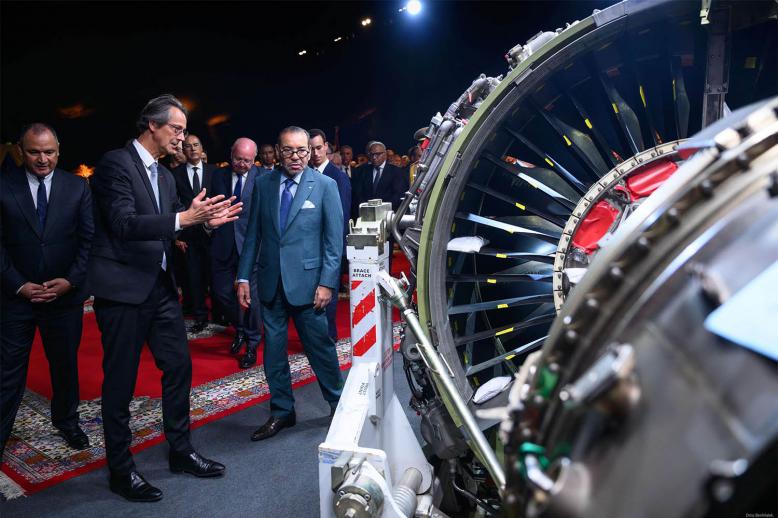
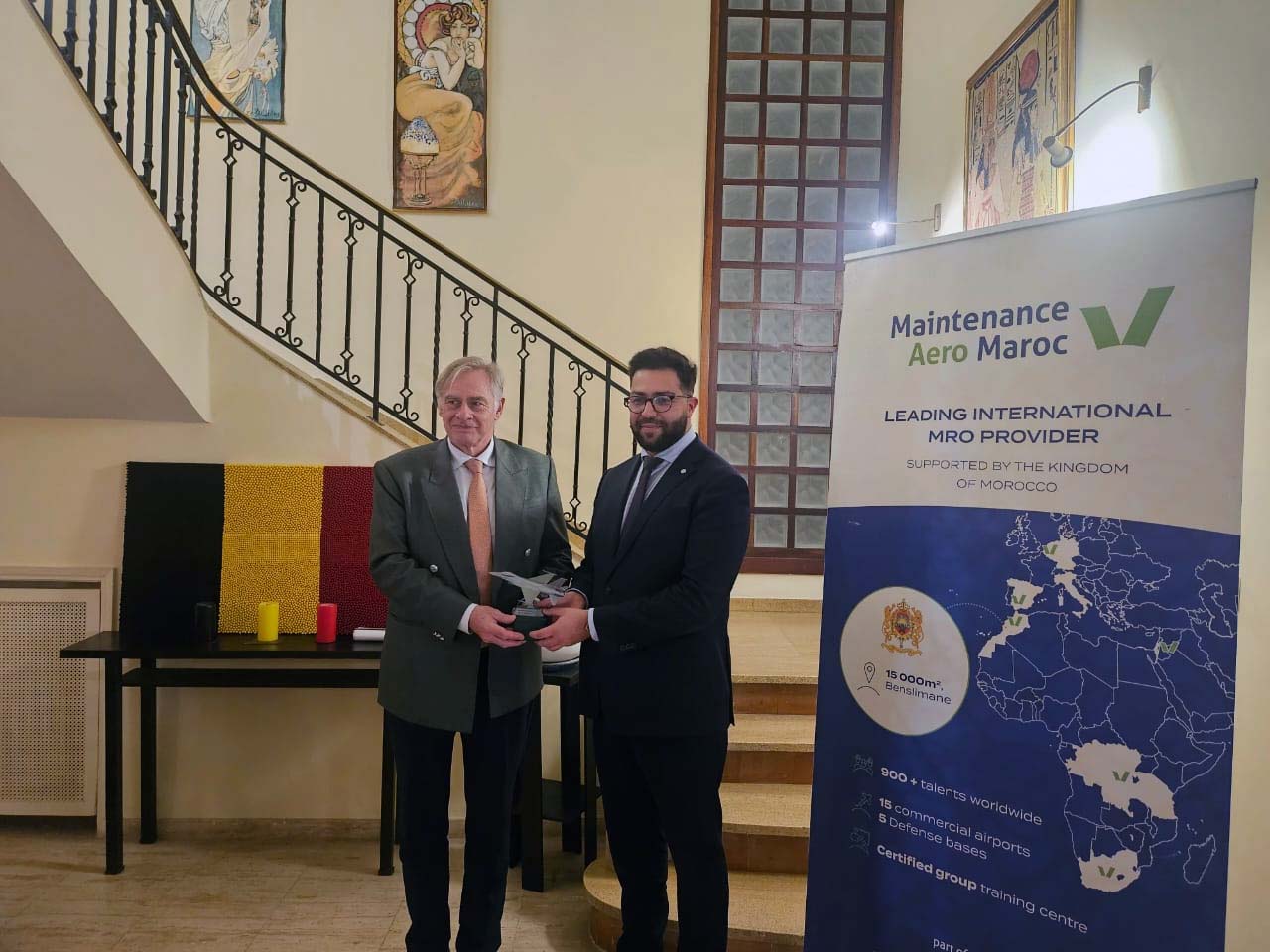
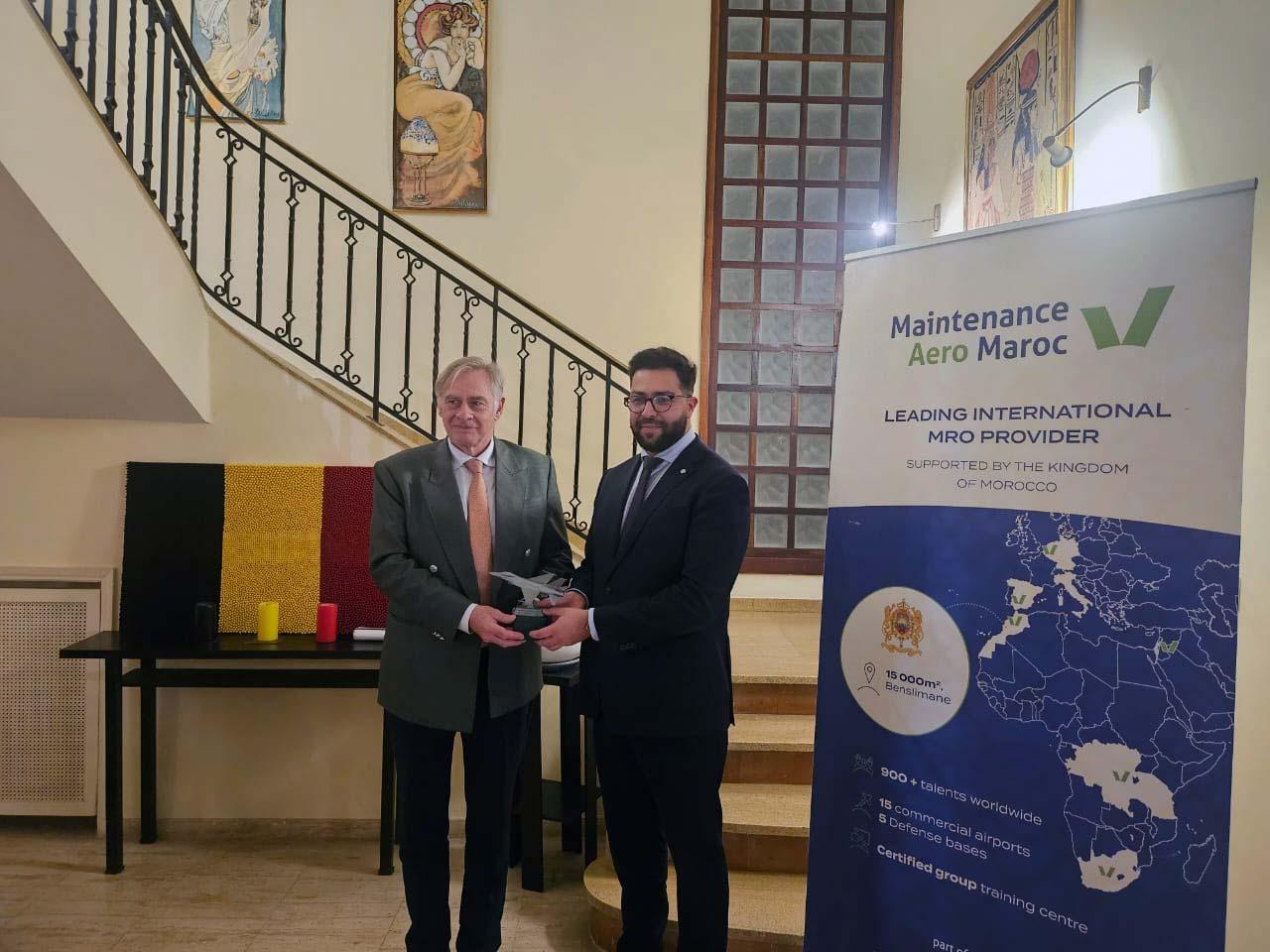
RABAT - Morocco and Belgium's Sabena Engineering unveiled plans for a new 9,000-square-meter aerospace maintenance centre in Benslimane, in a significant stride toward bolstering the North African kingdom’s defence capabilities and aerospace sector.
This state-of-the-art facility will focus on servicing military aircraft and helicopters, specifically the Lockheed Martin C-130 and F-16 models, as announced by the Belgian Embassy in Rabat via a statement on X.
The Belgian embassy stressed that Morocco and Sabena Engineering “are joining their expertise for a strategic defense industry.”
The initiative is projected to generate 100 skilled jobs, according to the embassy.
The groundbreaking ceremony, held on October 15, marked the official launch of this ambitious project, which aims to service key military aircraft like the F-16 Fighting Falcon and C-130 Hercules. This collaboration not only underscores Morocco's growing ambitions in aviation but also positions the North African Kingdom as a potential regional hub for aerospace maintenance, blending international expertise with local industrial development.
The initiative comes at a time when Morocco's aerospace industry is experiencing robust growth, with exports surpassing 23.65 billion dirhams (approximately $2.4 billion) through October, reflecting an upward trajectory driven by strategic investments and global partnerships.
As the sector employs between 23,000 and 26,000 people - with women making up over 40% of the workforce - this new centre is poised to create additional high-skilled jobs and further integrate Morocco into the global aerospace supply chain.
Morocco's aerospace industry
Morocco's aerospace sector has evolved dramatically over the past two decades, transforming the North African nation into one of Africa's leading aerospace hubs.
As of December 2024, the industry comprises nearly 150 companies, generating around $2.6 billion in annual exports and employing thousands in specialized roles.
Major players like Safran, which has been present in Morocco for 26 years and employs over 4,800 people across 10 sites, have anchored the sector, leading in areas such as engine manufacturing and component assembly.
The government's proactive policies, including incentives for foreign investment and the establishment of dedicated industrial zones, have fueled this growth. Morocco aims to double aerospace employment by 2030, expanding from current levels to create a more resilient ecosystem that includes aircraft assembly lines and advanced manufacturing.
Recent milestones, such as Morocco joining the elite group of aircraft engine manufacturers in 2025, highlight the kingdom's shift from assembly to high-value production, with a projected compound annual growth rate of 6% in the aerospace and defence market through 2029.
This expansion is closely tied to Morocco's military modernization efforts. The Royal Moroccan Air Force (RMAF) has invested heavily in upgrading its fleet, including a 2019 deal for 25 new F-16 Block 72 fighters and upgrades for existing ones, alongside acquisitions of 24 Apache helicopters in 2020 and 10 Airbus H225M helicopters. These developments emphasize a dual focus: acquiring cutting-edge technology while building domestic capabilities to reduce reliance on foreign maintenance services.