

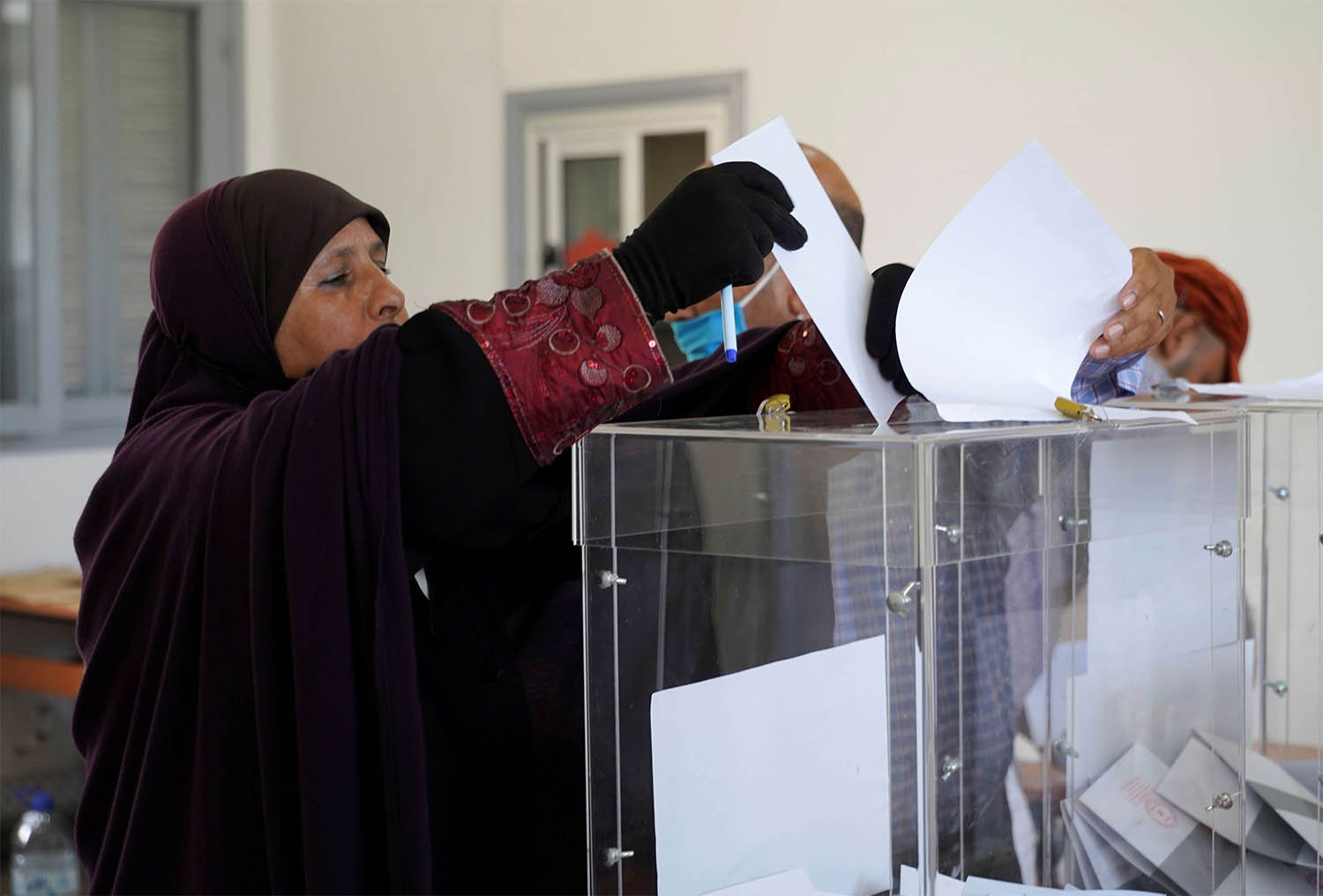
A woman casts her vote at a polling station during parliamentary and local elections, in Casablanca, Morocco September 8, 2021
The upcoming elections: between democratic continuity and institutional clarity
Ultimately, these elections represent far more than a routine democratic exercise. They are a reaffirmation that Morocco has chosen to make democracy a continuous practice, stability a constant foundation, and dialogue a governing method.
Saturday 30/08/2025
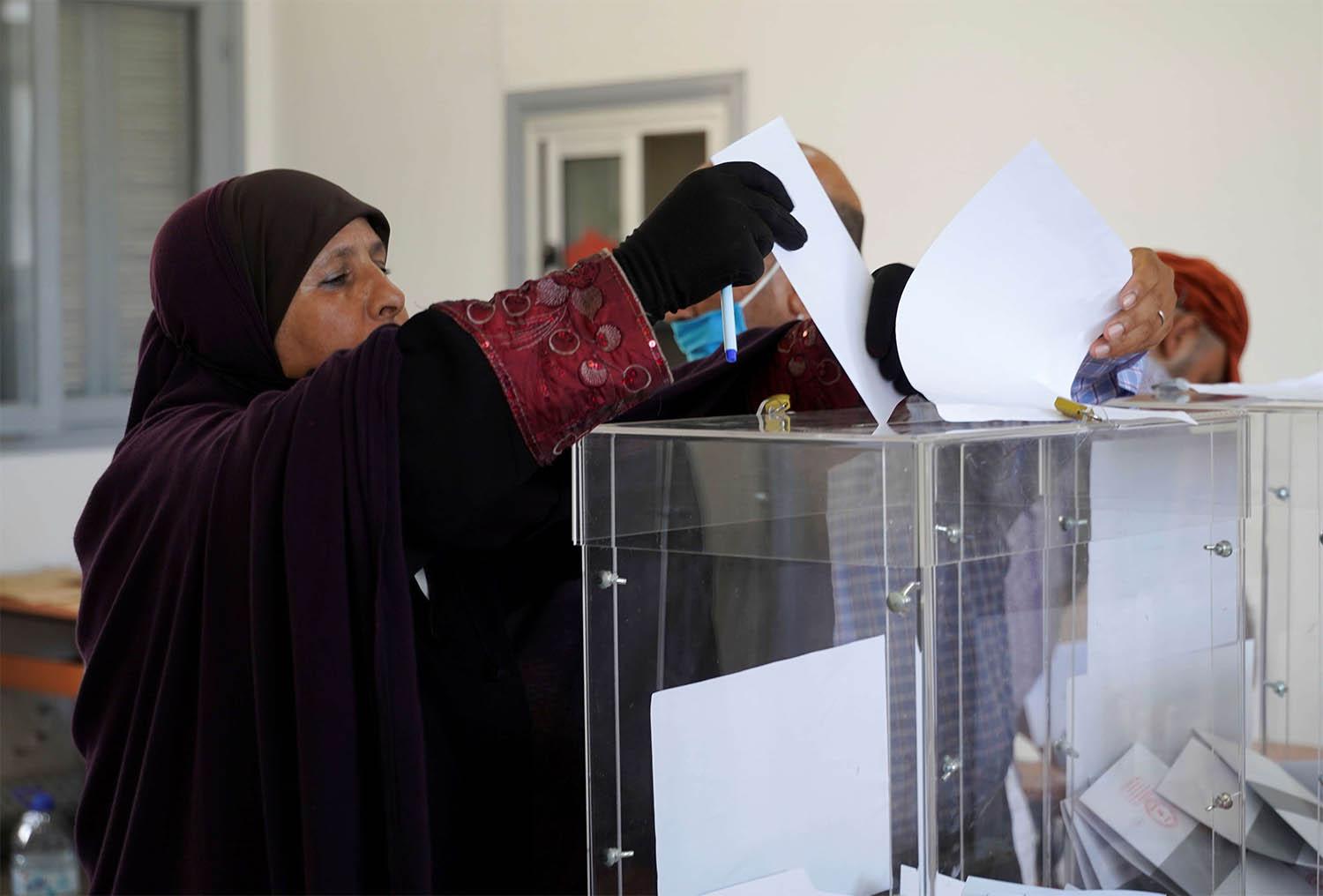
A woman casts her vote at a polling station during parliamentary and local elections, in Casablanca, Morocco September 8, 2021
In his address marking the 26th anniversary of Throne Day, His Majesty King Mohammed VI devoted part of his speech to the forthcoming legislative elections. His words made clear that the issue extends far beyond the technicalities of electoral management; it carries profound political and strategic significance.
The first message was unambiguous: the elections will be held on their constitutionally scheduled date. This commitment underscores Morocco’s determination not to interrupt its political cycle or suspend its democratic rhythm. On the contrary, the monarchy seeks to consolidate constitutional regularity as a cornerstone of public life, at a time when the broader region is experiencing instability and democratic backsliding. Simply reaffirming this principle enhances Morocco’s credibility as a reliable political actor and provides reassurance to both domestic and international audiences.
The second message focused on the imperative that the legal framework governing the elections be settled before the end of the year. This is not a procedural detail, but a deliberate strategic choice aimed at fostering clarity and trust between the state and political stakeholders. Free and credible elections cannot be imagined without a stable and accessible legal framework—one that enables political parties to define their strategies and allows citizens to grasp the stakes of the moment. In essence, the King has called for the transformation of electoral law from a technical instrument into a political covenant binding the country’s actors together.
The third message was a call for broad-based political consultation. Electoral preparation is not merely an administrative task but a collective national undertaking. It requires political parties to engage responsibly in shaping consensus and in assuming their share of the burden for democratic consolidation. This vision reflects the spirit of participatory democracy enshrined in the 2011 Constitution: elections are not complete without dialogue, negotiation, and agreement among the nation’s political and institutional components.
Taken together, the King’s speech outlines a roadmap anchored in three pillars: elections on schedule, governed by transparent and predictable rules, and prepared through inclusive national consultation. This triptych sets Morocco apart in a regional environment marked by volatility and political uncertainty.
Ultimately, these elections represent far more than a routine democratic exercise. They are a reaffirmation that Morocco has chosen to make democracy a continuous practice, stability a constant foundation, and dialogue a governing method. These principles embody the very philosophy of Morocco’s political reform: a process that is measured and gradual, yet unwavering in its trajectory—toward entrenching democracy as a strategic and irreversible choice.
