Driving the train of big political, economic and social achievements
2025… A distinctly Moroccan year
The consistent Moroccan policy culminated in 2025 with the issuance of Resolution 2797, which neither Russia nor China opposed. This points to the networks of relations built by Mohammed VI worldwide.
Sunday 07/12/2025
Driving the train of big political, economic and social achievements
The year 2025 was a distinctly Moroccan year. It was the year of Morocco's victory in the war it faced for half a century since peacefully recovering its Saharan provinces from Spanish colonization.
Why that war? And why did it last half a century? Why has the Algerian regime never been able to admit that the war of attrition it waged against Morocco, using a tool called "Polisario," was nothing but an open war that would rebound on it sooner or later?
There is a set of questions that reveal, among other things, Morocco's resilience in the face of challenges it confronted on one hand, and that the Sahara issue has always been a national cause concerning every citizen of the Kingdom deeply on the other.
Morocco's victory, which 2025 consecrated as a Moroccan year, came in the form of a resolution issued by the Security Council numbered 2797. The resolution confirmed what was already confirmed. It affirmed "the Moroccanness of the Sahara" and Morocco's sovereignty over it, and that the autonomy initiative proposed by King Mohammed VI in 2007 is the "basis" for any negotiations on the Sahara. It emphasized that the other party in the fabricated conflict is Algeria, which can no longer hide behind "Polisario" in any way despite all its attempts to deny this reality.
Gulf States' Clear Stance from the Start
The Gulf Arab states have had a clear position on the Sahara issue and its Moroccanness from the beginning. The latest GCC summit confirmed the link between Arab security and the Moroccanness of the Sahara. The statement issued from the summit held in Manama "affirmed the Moroccanness of the Sahara and support for the autonomy initiative as a solution to the Moroccan Sahara issue."
The Council welcomed, in its final statement, UN Security Council Resolution 2797, issued on October 31, 2025, endorsing this initiative as a "significant step toward reaching a realistic and applicable solution." It also praised King Mohammed VI's decision to present this initiative to the Security Council and designate October 31 each year as a national holiday called "Unity Day."
GCC states stood with Morocco and its national cause early on. There is a deep feeling in GCC states that Morocco's territorial unity is an integral part of overall Arab security, especially since all attempts to undermine the Moroccanness of the Sahara sought to create a favorable environment for intensifying the activities of terrorist and extremist organizations in all their forms in the Sahel region stretching from Mauritania's shores to southern Sudan.
The latest Gulf summit statement was not the first of its kind. It was preceded by others in the same direction, but what stands out is its reference to Security Council Resolution 2797 and the adoption of the day of its issuance as a Moroccan national holiday. This consecrates the depth of the relationship linking Morocco to the Gulf Arab states and awareness of the importance of blocking any organizations, including the Iranian-backed Lebanese "Hezbollah," from using the "Polisario" front. It was no secret that "Polisario" elements were trained in Lebanon and Syria to use drones before the fall of the Bashar al-Assad regime and Hezbollah's collapse.
Consistent Moroccan Policy with Cohesive Links
The matter is not only about successes achieved by Morocco on all fronts since the "Green March" in November 1975, but also about the existence of a consistent Moroccan policy with cohesive links. This policy began by securing the Sahara through building a series of walls and natural barriers that enabled its people to live in safety.
This policy culminated in 2025 with the issuance of Resolution 2797, which neither Russia nor China opposed. This points to the networks of relations built by Mohammed VI worldwide. Russia and China are not charities; they are states pursuing their interests. These two veto-wielding powers in the Security Council would not have abstained from voting without real interests in Morocco.
The matter is not only about successes achieved by Morocco since the "Green March," but also about a consistent Moroccan policy with cohesive links.
Morocco has positioned itself as a player on both regional and international levels. Among the most important steps taken by Mohammed VI were breakthroughs in Africa. This was not limited to Francophone African countries; Morocco penetrated English-speaking African nations. The nature of Moroccan investments in the Black continent cannot be underestimated—they are based on mutual benefits, including chemical fertilizer factories thanks to Moroccan phosphates, building schools and hospitals, and spreading moderate Islam.
Morocco developed the Sahara to serve as the Atlantic gateway for African countries. In this regard, mention must be made of the role now played by Dakhla Port, positioning itself for a major role in connecting Africa to the American continent. Moreover, no impartial observer can avoid acknowledging the importance of the oil and gas pipeline under construction, crossing several countries from Nigeria.
The Fundamental Question: What is the Secret of Morocco's Victory?
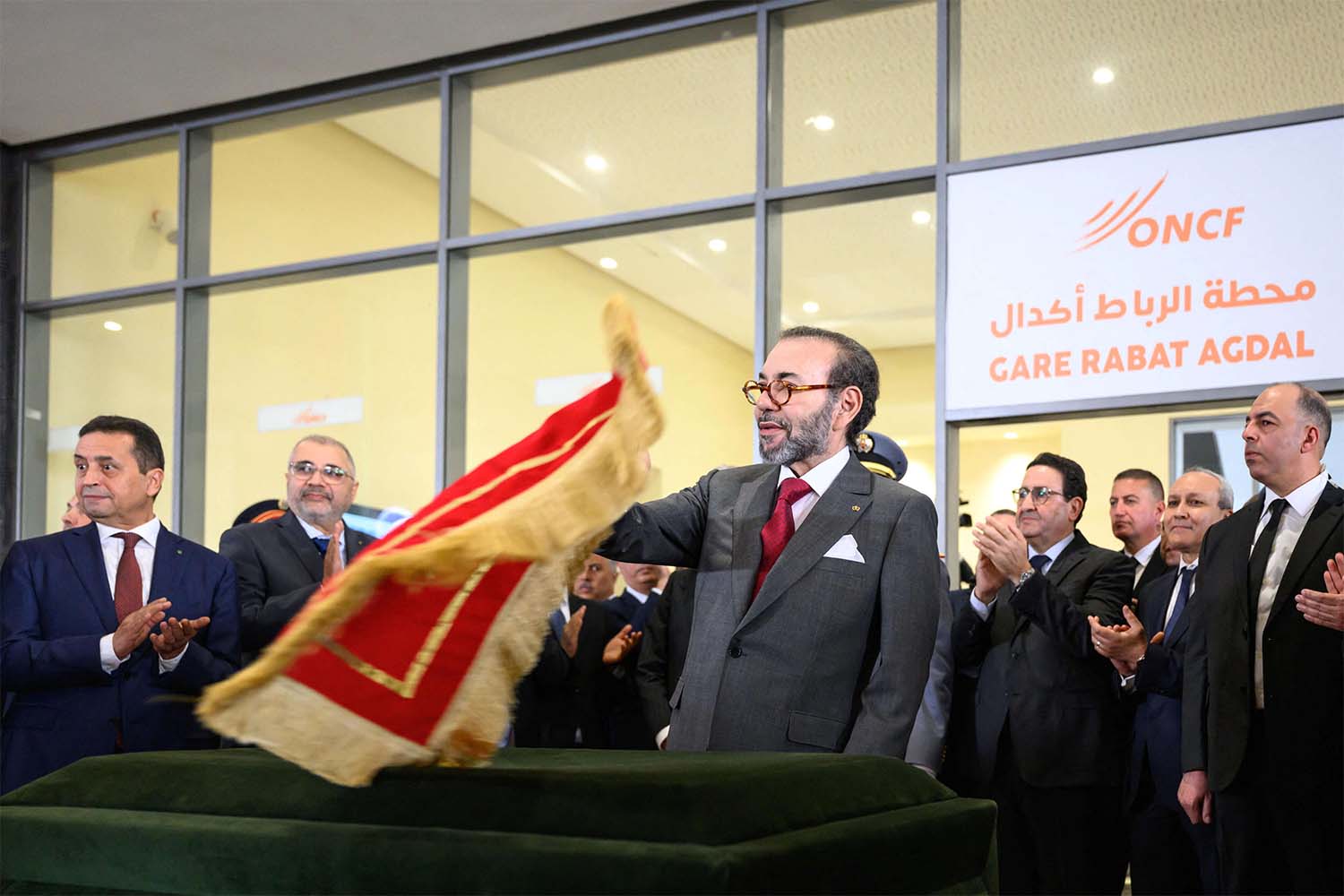
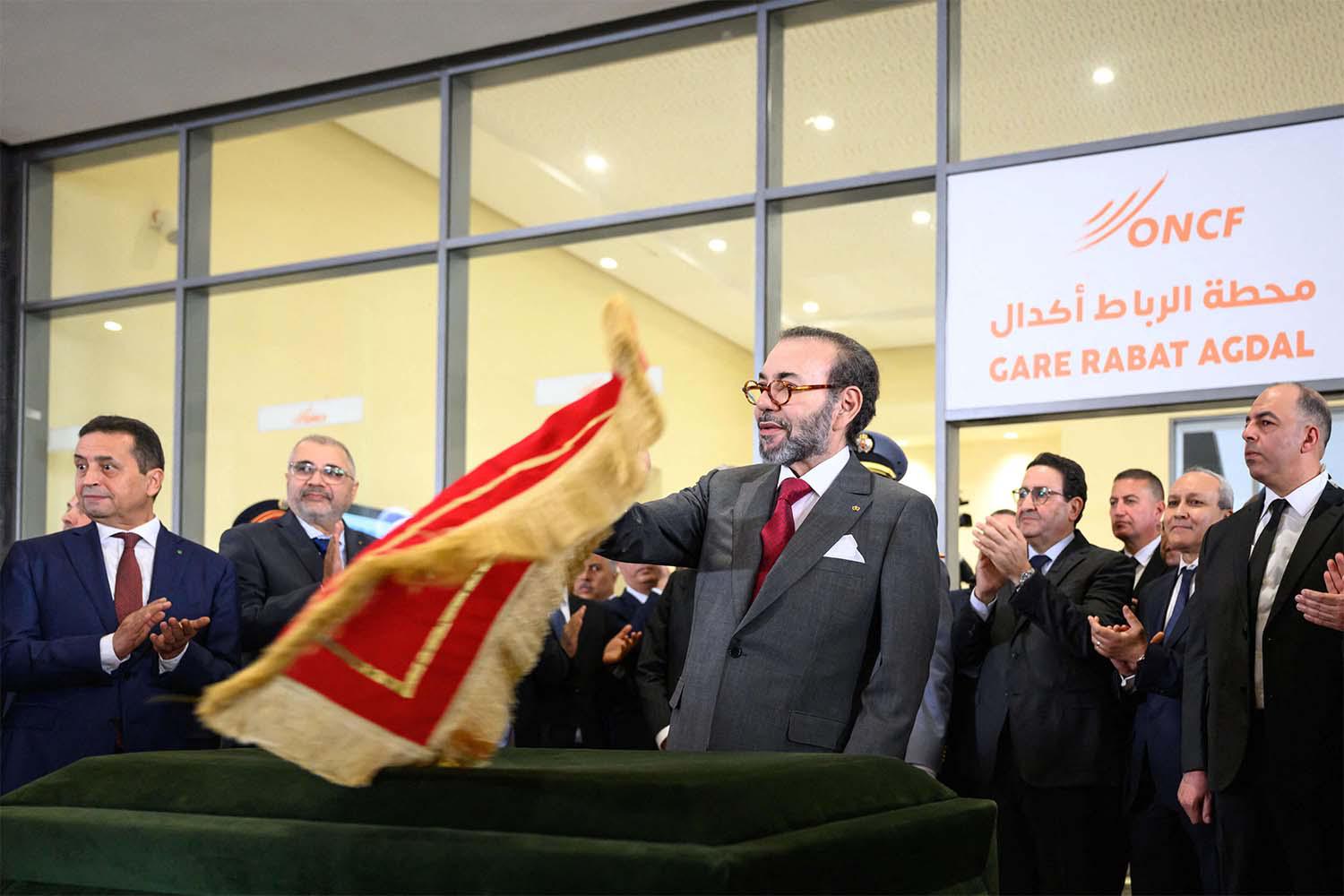
The secret lies in the relationship between the throne and the people, a relationship based on mutual trust that allowed Morocco to defend its Sahara on one hand and pursue construction on the other. Morocco now enjoys advanced infrastructure, particularly its railway network connecting cities and regions. The important thing is that there are no taboos in Morocco. This means open public discussion of any emerging problems, such as education and healthcare crises that may cause protests. The point is that Morocco is a country at peace with itself. This enables it to face challenges, some imposed by nature like drought or earthquakes.
This happens away from demagoguery and bidding wars. It happens through pursuing a path of development and reconstruction in a country with a clear vision—the vision of King Mohammed VI, based on investing in the Moroccan people, who remain the country's true wealth…
Khairallah Khairallah is a London-based Lebanese writer.
This article was originally published in Al-Arab
The views expressed are solely those of the author and may or may not reflect those of Middle East Online.